
 Save
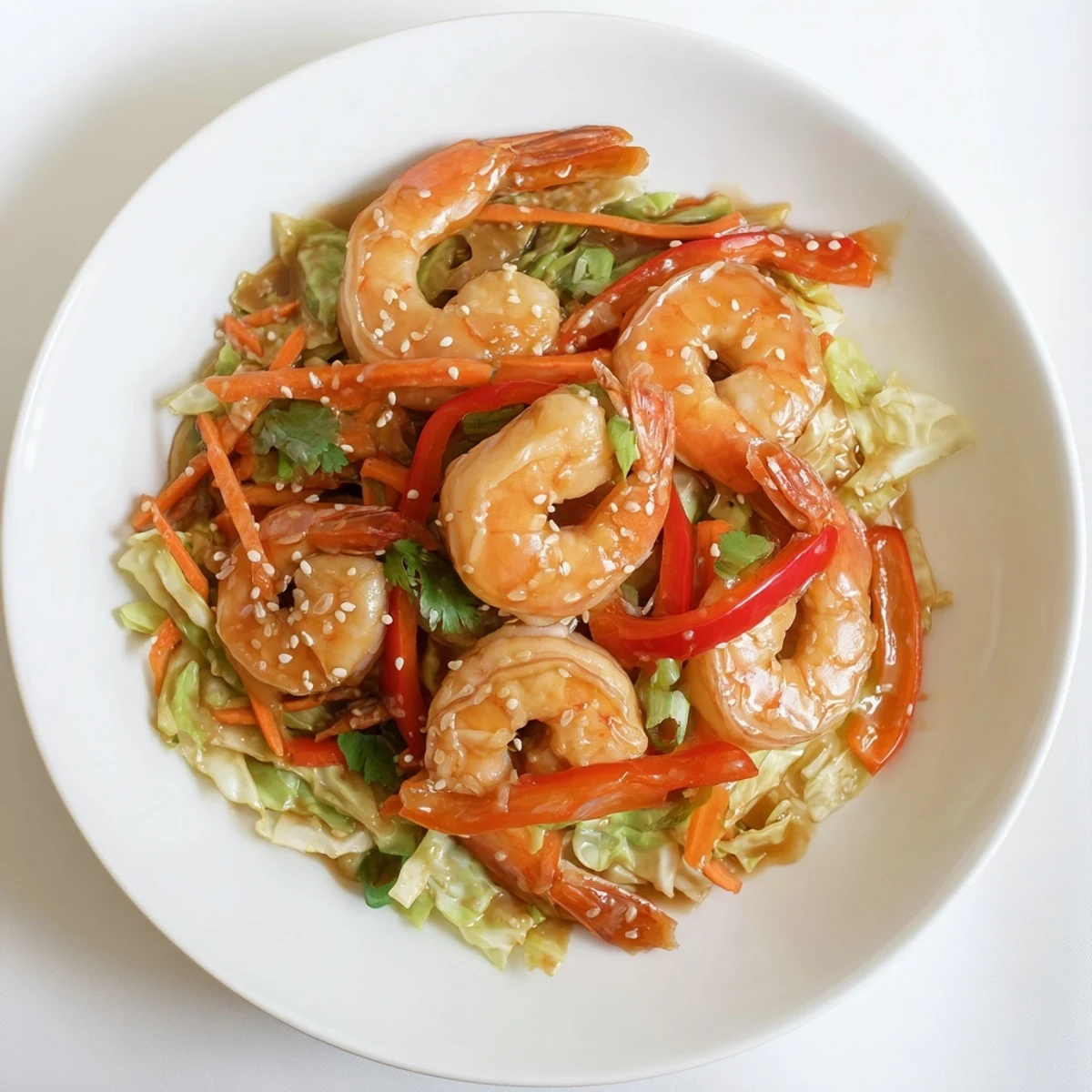
Save This quick Asian stir fry pairs tender shrimp with thinly sliced Napa cabbage, bell pepper and carrots, all tossed in a savory soy‑oyster‑sesame sauce. Cook shrimp briefly, remove, then sear garlic and ginger, stir fry vegetables until crisp‑tender, return shrimp and thicken sauce with a cornstarch slurry. Finish with scallions and toasted sesame for texture; serve with rice or noodles. Swap tamari, chicken or tofu to suit needs.
The wok was still hot from breakfast eggs when I decided to toss in some leftover cabbage and a bag of shrimp that had been sitting in the freezer for weeks. The sizzle caught me off guard, and so did the smell of ginger hitting oil, suddenly the whole kitchen felt alive. That chaotic Tuesday dinner turned into something my roommate still texts me about. It took twenty minutes from fridge to plate and tasted like something from a strip mall joint I used to love in college.
My friend Dana was going through a brutal breakup and showed up at my door with nothing but sweatpants and the expectation that I would feed her. I made this stir fry because it was all I had, and she ate two bowls in silence before finally looking up and saying okay I feel better now. Sometimes food does the heavy lifting when words will not work.
Ingredients
- Large shrimp (400 g, peeled and deveined): Fresh or frozen both work, but pat them completely dry with paper towels or they will steam instead of sear and you lose that golden edge.
- Napa cabbage (4 cups, thinly sliced): It wilts down beautifully and has a sweeter, softer personality than regular green cabbage.
- Carrot (1 medium, julienned): Cut them thin so they cook fast and blend into every bite rather than sitting there like chunky intruders.
- Red bell pepper (1, thinly sliced): The color alone makes the dish pop, and the sweetness balances the salty sauce.
- Green onions (3, sliced): Save most of these for the very end so they stay bright and barely soft.
- Garlic (2 cloves, minced): Fresh is non negotiable here, the jarred stuff tastes flat next to ginger and soy.
- Fresh ginger (1 tablespoon, grated): Use a spoon to scrape off the skin, then grate it directly into the pan for maximum aroma.
- Soy sauce (3 tablespoons): This is your salt and your depth, do not skimp and use low sodium if you want more control.
- Oyster sauce (1 tablespoon): A little goes a long way and adds that savory backbone you cannot quite identify but always notice when it is missing.
- Sesame oil (1 tablespoon): Toasted sesame oil is the one you want, it smells like a restaurant kitchen in the best way.
- Honey (1 teaspoon, optional): Just a touch to round off the sharp edges of the vinegar and soy.
- Rice vinegar (1 teaspoon): It lifts the whole sauce without making it taste sour, just brighter.
- Cornstarch (1 teaspoon): This is what turns a watery puddle into a sauce that clings to every shrimp and shred of cabbage.
- Water (2 tablespoons): Mixed with cornstarch to create a slurry that dissolves smoothly instead of clumping.
- Toasted sesame seeds (1 tablespoon): Scatter them on top for a nutty crunch that makes the dish feel finished.
- Fresh cilantro or scallions (optional): A handful at the end adds freshness and a little drama to the presentation.
Instructions
- Whisk the sauce:
- In a small bowl, stir together the soy sauce, oyster sauce, sesame oil, honey, rice vinegar, cornstarch, and water until the cornstarch disappears completely. Set it near the stove because things move fast once you start cooking.
- Sear the shrimp:
- Heat a tablespoon of oil in a large skillet or wok over medium high heat until it shimmers, then add the shrimp in a single layer. Cook for two to three minutes, flipping once, until they curl and turn pink, then pull them out and set aside on a plate.
- Wake up the aromatics:
- In the same skillet, toss in the garlic and ginger and let them sizzle for about thirty seconds until your kitchen smells incredible. Keep them moving so nothing burns.
- Toss the vegetables:
- Add the carrot, bell pepper, and cabbage to the pan and stir fry for two to three minutes until the cabbage just starts to soften but still has some crunch. You want texture, not mush.
- Bring it all together:
- Slide the shrimp back into the pan, pour in the sauce, and stir everything vigorously for one to two minutes. The sauce will bubble and thicken into a shiny glaze that coats every piece.
- Finish and serve:
- Toss in the green onions, kill the heat, and give it one last stir. Shower with sesame seeds and herbs if you are feeling fancy, then serve immediately over rice or noodles.
 Save
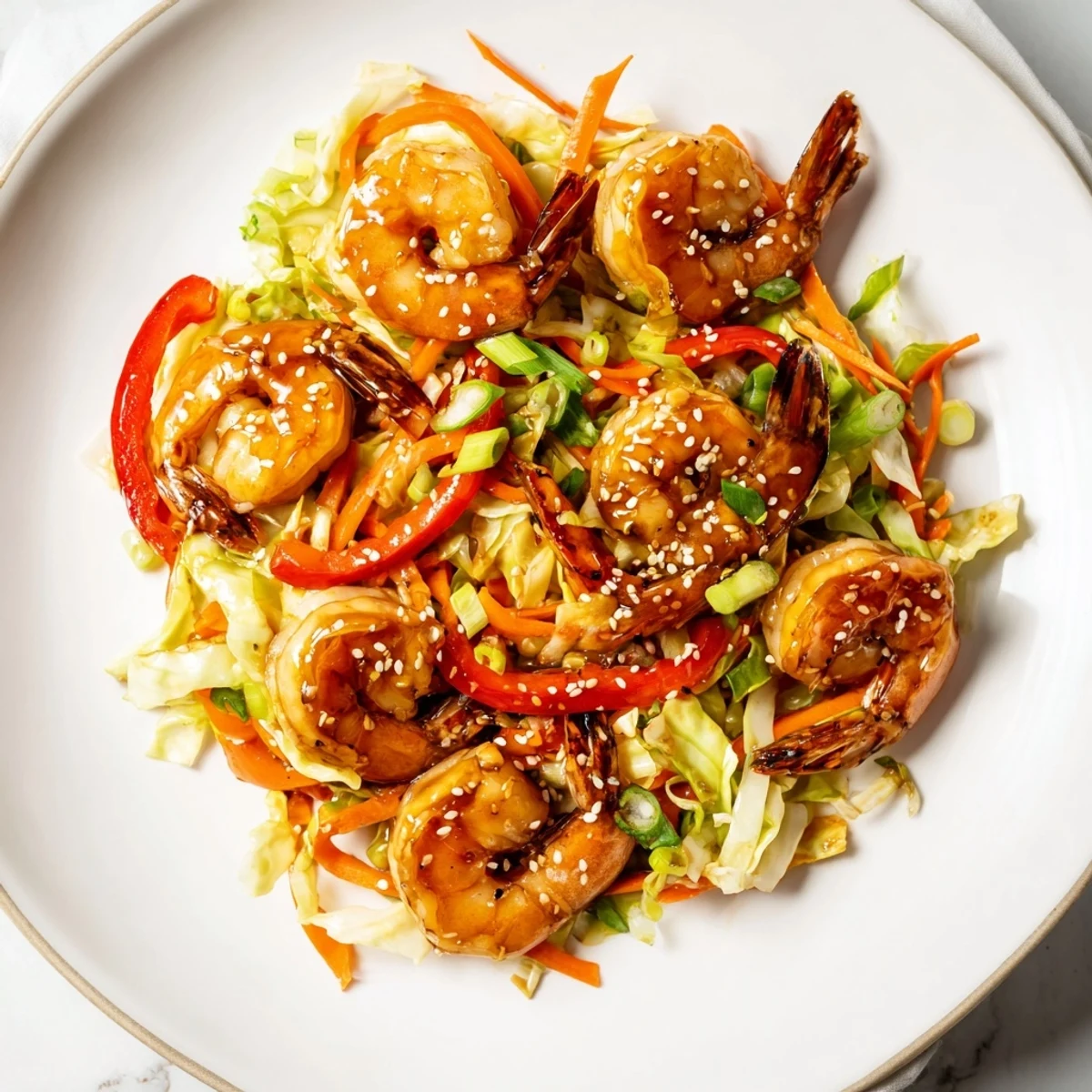
Save One rainy Thursday I packed the leftovers into a container and ate them cold at my desk the next day, and honestly they were even better. The sauce had soaked into the cabbage overnight and turned it into something I genuinely looked forward to at noon.
What You Need in Your Pantry
Most of the sauce ingredients are pantry staples that last for months, so once you have them you are set for at least ten more stir fry nights. Keep soy sauce, oyster sauce, and sesame oil together on the same shelf and you will never have to hunt for anything mid cook.
Making It Your Own
Swap the shrimp for sliced chicken thighs or pressed tofu and the technique stays exactly the same. Toss in a sliced chili or a drizzle of chili oil if you want heat, or use tamari instead of soy sauce to keep it gluten free.
Serving Suggestions and Leftovers
This dish is best right off the heat but holds up surprisingly well refrigerated for a day or two. Reheat it in a skillet with a splash of water to loosen the sauce and it comes back to life almost instantly.
- Steamed jasmine rice is the classic pairing but rice noodles also do a great job of soaking up extra sauce.
- A quick cucumber salad on the side adds crunch and coolness that balances the rich glaze.
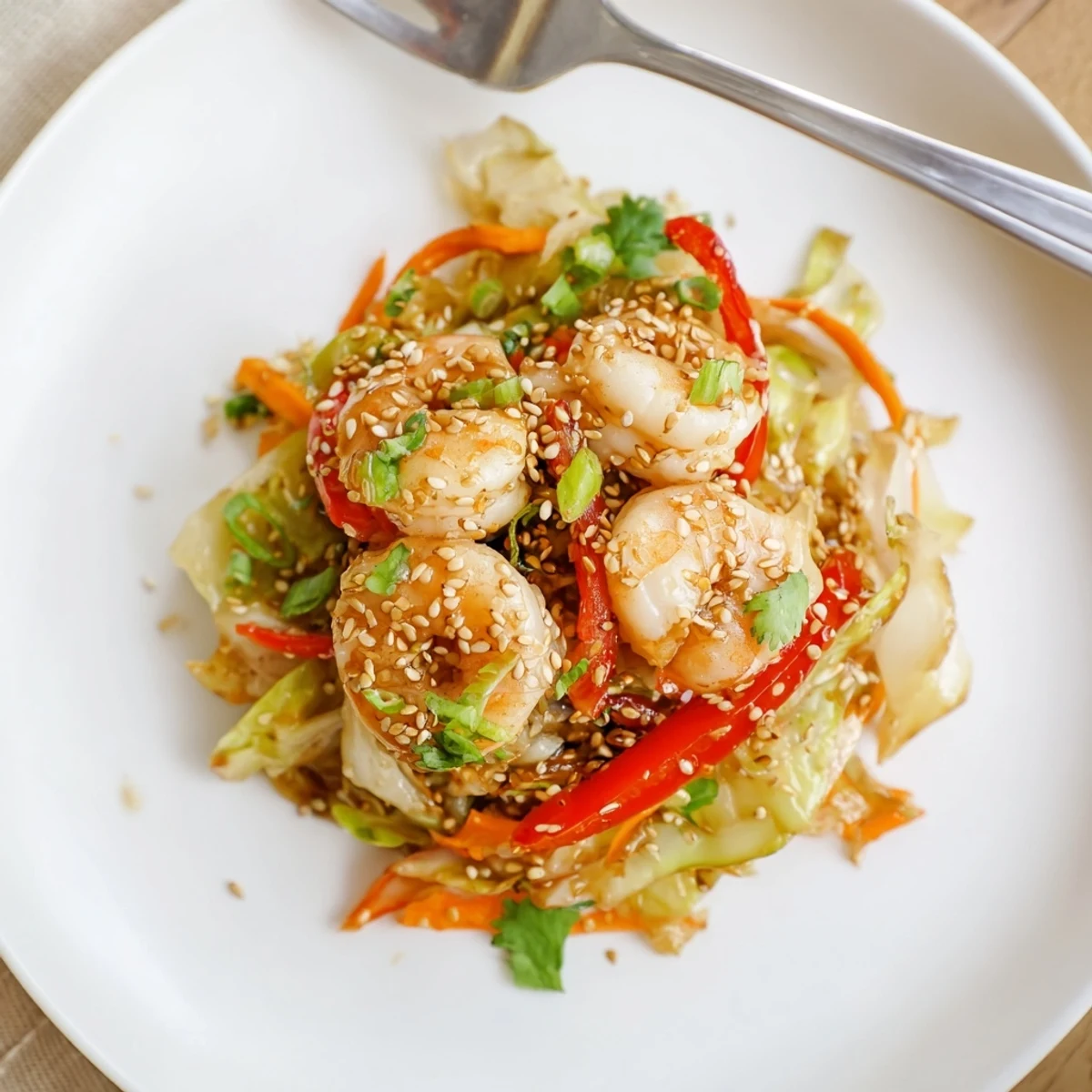
- Do not skip garnishing, those sesame seeds and herbs make the difference between dinner and dinner party.
 Save
Save Some nights you just need dinner to happen without a fuss, and this recipe exists exactly for those nights. Trust the sizzle, trust the sauce, and enjoy every bite.
Your Recipe Questions Answered
- → How long should I cook the shrimp?
-
Cook large shrimp 2–3 minutes per side over medium-high heat until pink and opaque; remove promptly to prevent rubberiness, then finish with the sauce.
- → How do I keep the cabbage crisp?
-
Slice cabbage thin, use high heat and cook briefly — 2–3 minutes — tossing constantly. Avoid overcrowding the pan so vegetables sear instead of steaming.
- → What's the best way to thicken the sauce?
-
Mix 1 teaspoon cornstarch with 2 tablespoons water to form a slurry, add to the pan near the end, and cook 1–2 minutes until the sauce coats the ingredients.
- → Can I make this gluten-free?
-
Replace soy sauce with tamari or coconut aminos and choose a gluten-free oyster sauce alternative or mushroom-based sauce; always check labels for hidden gluten.
- → What are good protein swaps?
-
Thinly sliced chicken breast or firm tofu work well. Cook chicken a bit longer until cooked through; press and pan-sear tofu until golden before combining with the sauce.
- → How should leftovers be stored and reheated?
-
Store in an airtight container in the fridge for up to 2 days. Reheat gently in a skillet over medium heat with a splash of water or soy to loosen the sauce and revive the vegetables.