
 Save
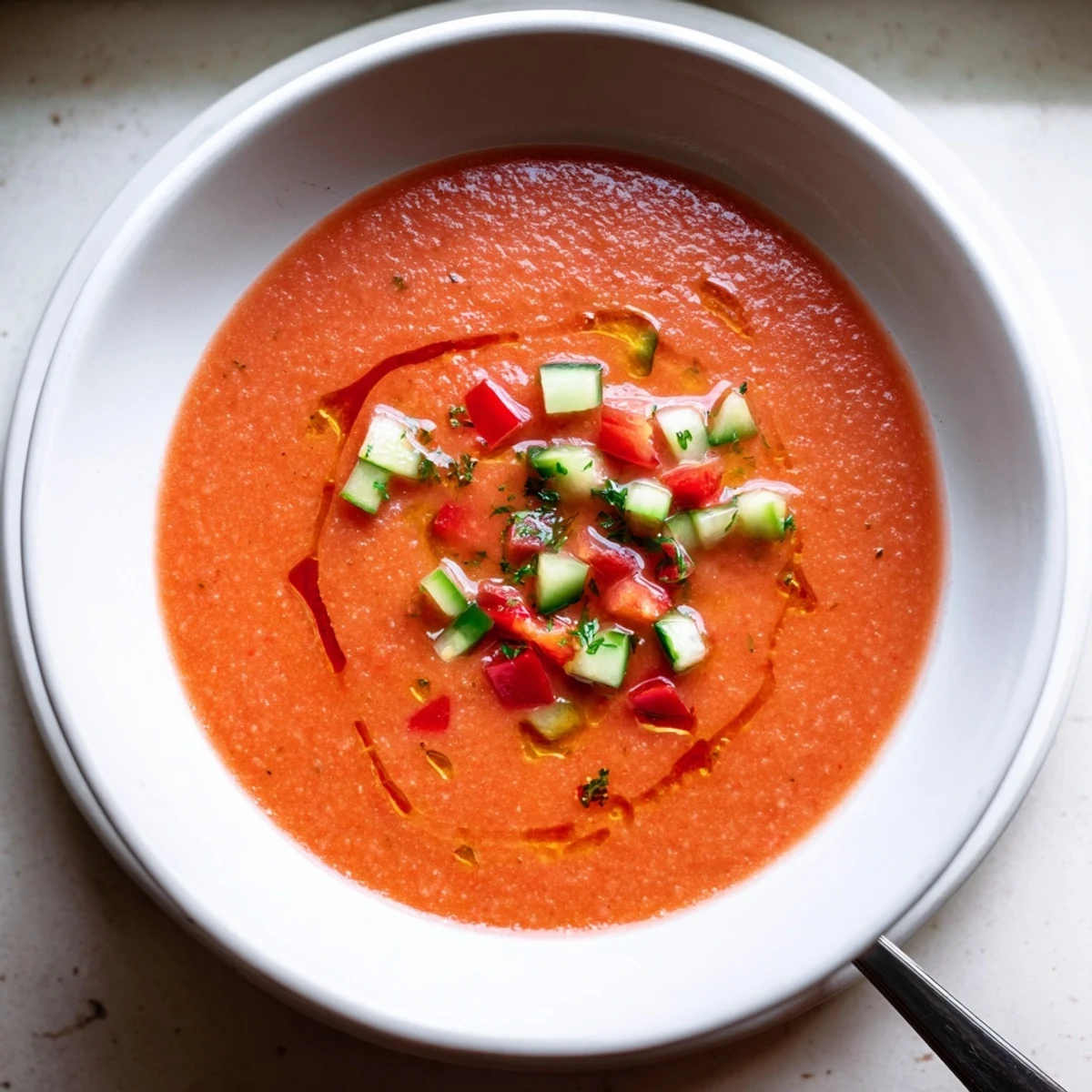
Save This classic Spanish cold soup combines ripe tomatoes, crisp cucumber, red bell pepper, and aromatic herbs for a refreshing summer dish. Ready in just 20 minutes of active preparation, this vibrant creation requires no cooking—simply blend fresh vegetables with olive oil, vinegar, and cold water, then chill for at least 2 hours.
The result is a light, nourishing bowl that captures the essence of summer produce. Serve it in chilled bowls with diced vegetables, fresh herbs, or a drizzle of olive oil. This versatile dish works beautifully as a starter, light lunch, or elegant appetizer for warm-weather gatherings.
The exhaust fan in my tiny Madrid apartment could barely keep up with august heat, and opening the window only made things worse. That was the summer a neighbor named Rosa taught me to stop cooking entirely and just blend everything raw into a bowl of liquid sanity. Gazpacho became my survival strategy, my dinner three nights a week, and the reason I started keeping a stash of sherry vinegar in every kitchen I have lived in since.
I once brought a thermos of gazpacho to a picnic in Retiro Park and three strangers asked for the recipe before dessert even came out. There is something about cold tomato soup served under a tree that turns everyone into an instant fan.
Ingredients
- Ripe tomatoes (800 g): The soul of gazpacho, so use the reddest, softest tomatoes you can find because no amount of seasoning can rescue a flavorless one.
- Cucumber (1 medium): Adds cool crunch and body, and peeling and seeding it keeps the texture silky rather than watery.
- Red bell pepper (1 medium): Brings a subtle sweetness that rounds out the acidity of the tomatoes beautifully.
- Red onion (1 small): Gives a gentle bite without overpowering, and soaking the chopped pieces in cold water for five minutes tames the harshness if you are sensitive.
- Garlic cloves (2): Essential for depth but easy to overdo, so start with two and trust the blend.
- Fresh parsley or cilantro (2 tbsp): Either works depending on your mood, though parsley feels more traditionally Spanish.
- Extra virgin olive oil (4 tbsp): Use the good stuff here because its fruity pepperiness is a main flavor, not a background note.
- Sherry vinegar or red wine vinegar (2 tbsp): Sherry vinegar is authentically southern Spanish and adds a nutty tang that red wine vinegar only approximates.
- Cold water (250 ml): Adjusts the consistency to something spoonable rather than paste like.
- Sea salt and black pepper: Season gradually and taste as you go, since chilled foods need more salt than you expect.
Instructions
- Toss everything into the blender:
- Pile in the chopped tomatoes, cucumber, bell pepper, onion, garlic, and herbs, then blend until the mixture looks mostly smooth with just a few flecks of color remaining.
- Add the liquids and seasonings:
- Pour in the olive oil, vinegar, cold water, salt, and pepper, then blend again until the soup is completely unified and the color deepens to a rich coral.
- Taste and adjust:
- Dip a spoon in and consider whether it needs another splash of vinegar for brightness or a little more water if it feels too thick on the tongue.
- Strain if you want refinement:
- Press the soup through a fine mesh sieve for a silky restaurant style finish, or skip this step entirely if you prefer a rustic, chunky bowl.
- Chill patiently:
- Pour the gazpacho into a sealed container and let it rest in the refrigerator for at least two hours so the flavors marry and the temperature drops to properly cold.
- Serve with personality:
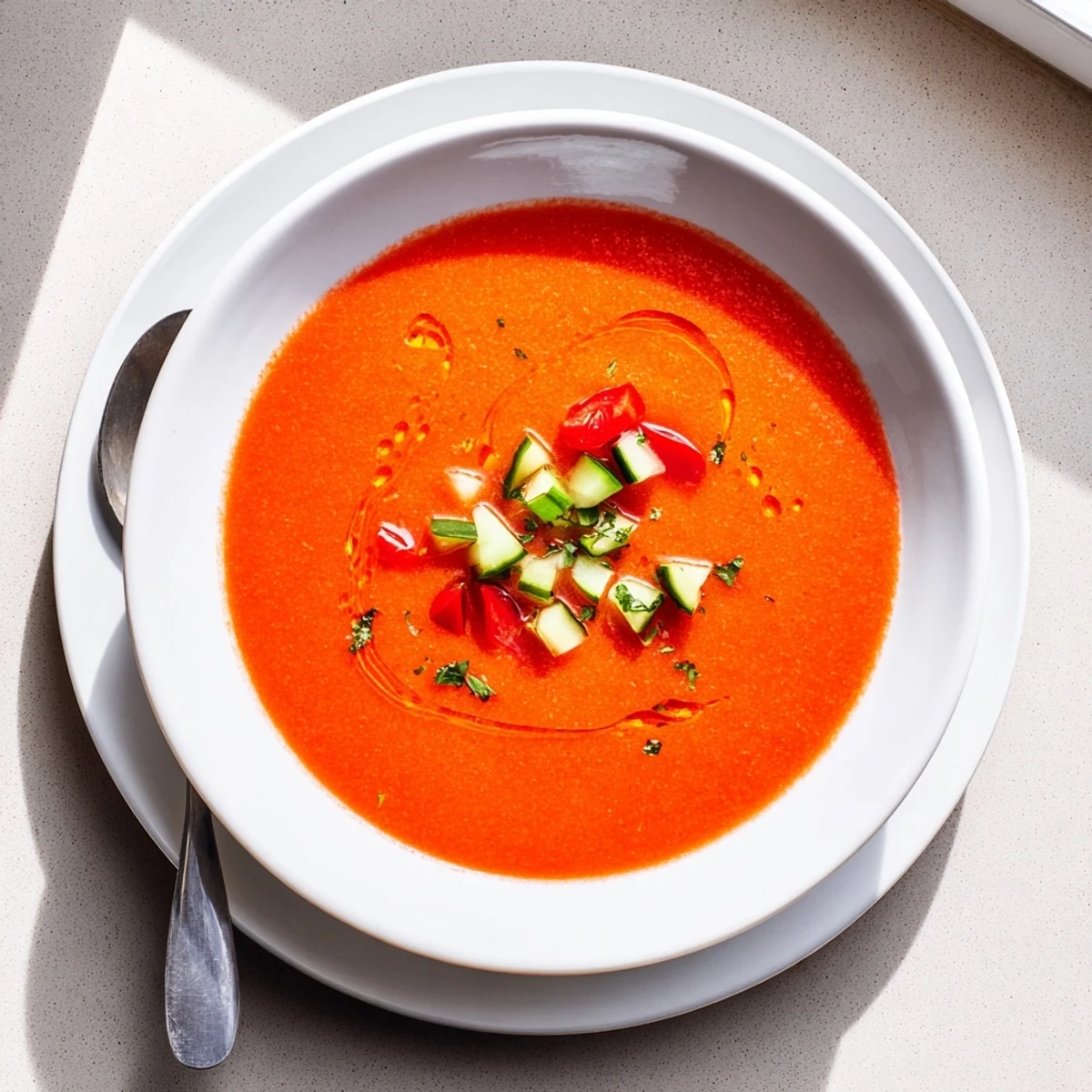
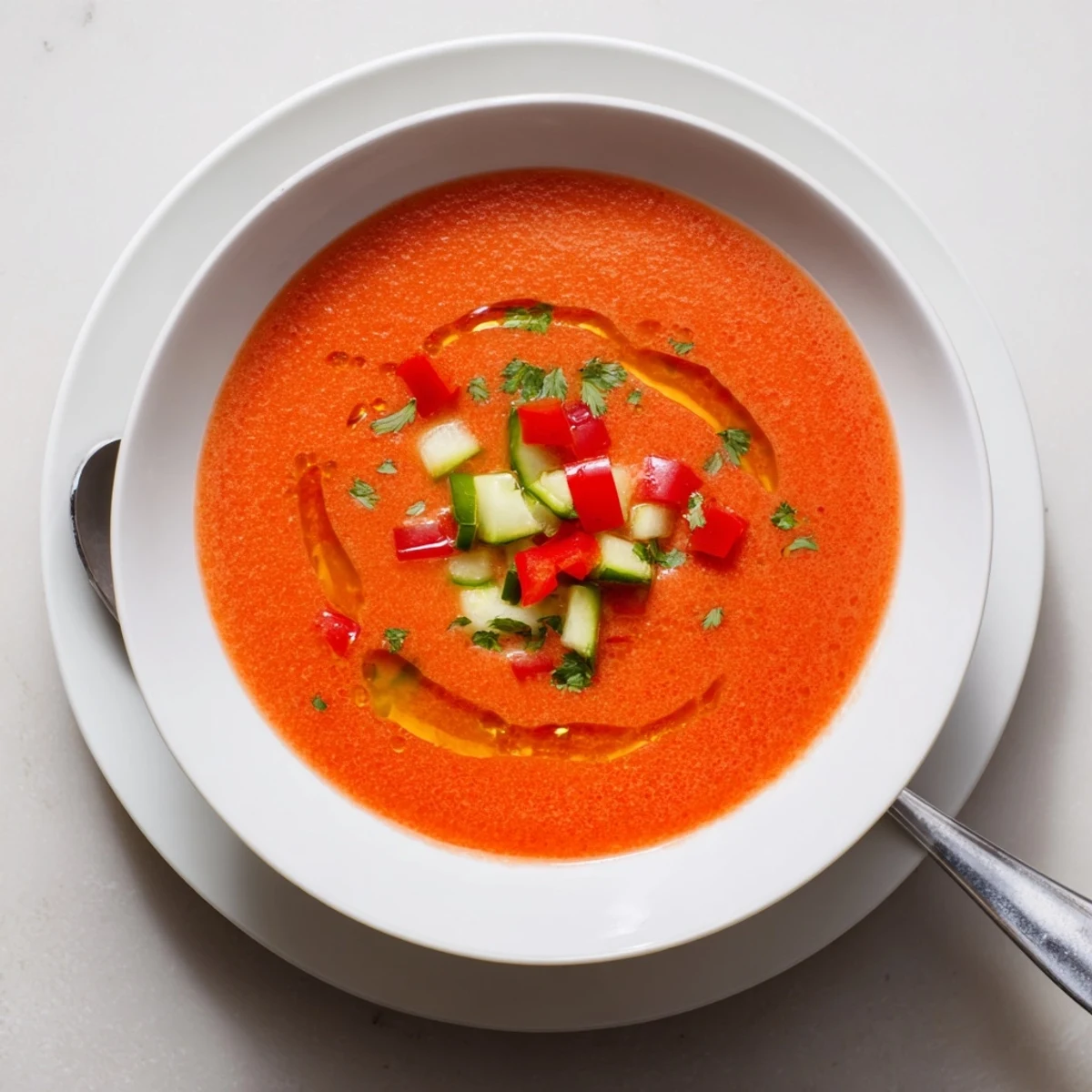
- Give it a good stir, ladle into chilled bowls, and scatter diced cucumber, bell pepper, herbs, croutons, or a generous swirl of olive oil across the top.
 Save
Save Somewhere between ladling second helpings and wiping the bowl clean with bread, gazpacho stops being a recipe and becomes a reason to sit at the table a little longer.
Choosing the Right Tomatoes
A farmer once told me that a good gazpacho tomato should smell like the garden before you even cut into it. He was right, and now I squeeze and sniff every tomato at the market without shame.
The Vinegar Question
Sherry vinegar from Jerez de la Frontera has a complexity that regular vinegar simply cannot match, with layers of wood and warmth from barrel aging. If you can find a bottle, it will change not just this soup but your salad dressings forever.
Make Ahead and Storage
Gazpacho keeps beautifully in the fridge for up to three days, and I often make a double batch on Sunday to enjoy through midweek. The olive oil may solidify slightly when very cold, so just stir vigorously before serving.
- Freeze leftovers in ice cube trays for quick single servings on unexpected hot days.
- Shake or stir well each time before serving because separation is natural and harmless.
- Always taste for salt right before serving because cold mutes flavors more than you think.
 Save
Save Keep a pitcher of gazpacho in your fridge all summer and you will never wonder what to eat on a day too hot to think. It is the kindest thing you can do for yourself between June and September.
Your Recipe Questions Answered
- → What makes gazpacho different from regular soup?
-
Gazpacho is never cooked—all ingredients are blended raw and served chilled. This preserves the fresh, vibrant flavors of ripe tomatoes and vegetables while creating a uniquely refreshing texture perfect for warm weather.
- → How long should gazpacho chill before serving?
-
Refrigerate for at least 2 hours to allow flavors to meld and the soup to become thoroughly cold. The taste improves with time, so it can be made up to 24 hours ahead and stored in a covered container.
- → Is straining gazpacho necessary?
-
Straining through a fine-mesh sieve creates a silky, restaurant-style texture, but it's optional. Some prefer the rustic thickness and extra fiber of the unstrained version. Try both methods to discover your preference.
- → Can I freeze gazpacho?
-
Freezing affects the fresh texture and bright flavor of gazpacho. For best results, enjoy within 2-3 days of refrigeration. The vegetables may separate slightly after freezing, though vigorous blending can help restore some consistency.
- → What vinegar works best in gazpacho?
-
Sherry vinegar provides authentic Spanish flavor, but red wine vinegar makes an excellent substitute. The vinegar adds essential brightness that balances the sweetness of ripe tomatoes. Adjust to taste—some prefer a sharper tang than others.
- → What can I serve with gazpacho?
-
Pair with crusty bread, grilled vegetables, or a simple green salad for a light lunch. As a starter, it precedes seafood, grilled meats, or paella beautifully. A crisp white wine or rosé complements its refreshing character.