
 Save
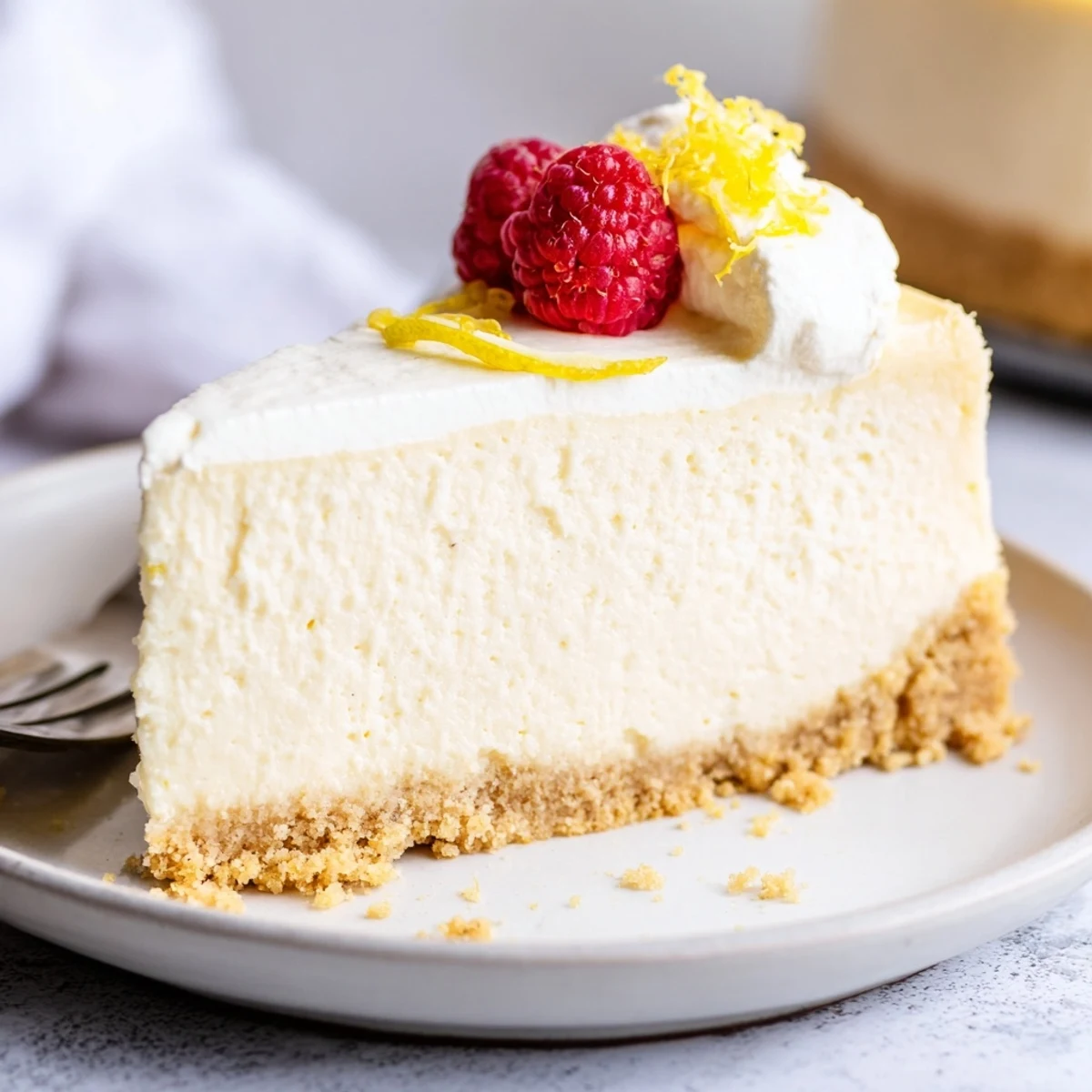
Save This classic baked cheesecake yields a creamy, velvety filling set on a buttery graham cracker crust. Beat softened cream cheese until smooth, add sugar and eggs one at a time, stir in sour cream, vanilla and a touch of flour. Bake gently until the center barely jiggles, cool in the oven, then chill thoroughly. For clean slices warm a knife and top with sour cream or fresh berries for brightness.
The smell of butter toasting graham crackers in the oven is one of those small kitchen miracles that makes you stop whatever you are doing and just breathe. My sister walked in once while I was pressing crumbs into a springform pan and said it smelled like a bakery had moved into my apartment. That was the moment cheesecake became my signature dessert for every family gathering.
I burned my first crust because I got distracted folding laundry and forgot it was in the oven, so now I set a timer for exactly ten minutes and refuse to leave the kitchen.
Ingredients
- Graham cracker crumbs (200 g): Fresh crumbs make a huge difference, so pulse your own if you can instead of buying pre ground.
- Unsalted butter, melted (100 g): The butter binds everything and adds richness, and cooling it slightly before mixing prevents a greasy crust.
- Sugar (2 tbsp for crust): Just enough sweetness to balance the buttery, toasty flavor without overpowering it.
- Cream cheese, softened (900 g): Full fat is non negotiable here, and leaving it out for an hour until it is truly room temperature saves you from lumpy filling.
- Granulated sugar (200 g): Dissolves into the cream cheese smoothly and gives the classic sweet tang balance.
- Large eggs (3): Added one at a time so each incorporates fully and the batter stays silky rather than frothy.
- Sour cream (180 ml for filling): This is the secret to that tangy, creamy texture that keeps people coming back for seconds.
- Vanilla extract (2 tsp): Use the real stuff, not imitation, because it carries the flavor profile of the entire cheesecake.
- All purpose flour (30 g): A small amount that stabilizes the filling and helps prevent cracking during baking.
- Salt (1/4 tsp): Enhances every other flavor and keeps the sweetness from feeling flat.
- Sour cream topping (120 ml, optional): A thin blanket of extra tang that looks elegant and hides any imperfections beneath it.
- Powdered sugar (2 tbsp, optional): Sweetens the topping just enough without making it heavy.
- Vanilla extract for topping (1/2 tsp, optional): Ties the topping flavor back to the filling.
Instructions
- Prepare the pan and oven:
- Preheat your oven to 160 degrees C (325 degrees F), grease the springform pan generously, and press a parchment circle into the bottom so release day goes smoothly.
- Build the crust:
- Stir the crumbs, melted butter, and sugar together until the mixture feels like damp sand, then press it firmly and evenly across the base using the bottom of a measuring cup.
- Bake and cool the crust:
- Slide it into the oven for ten minutes until it smells toasty and looks slightly golden, then pull it out and let it rest while you make the filling.
- Beat the cream cheese smooth:
- Use your electric mixer on medium to beat the cream cheese alone until it is completely lump free and spreadable, scraping down the bowl twice to catch any stubborn bits.
- Add sugar then eggs:
- Pour in the sugar and blend until combined, then crack in the eggs one at a time, mixing just until each disappears into the batter.
- Finish the filling:
- Fold in the sour cream, vanilla, flour, and salt with a gentle hand, stopping as soon as everything is incorporated because overmixing invites air bubbles and cracks.
- Assemble and bake:
- Pour the filling over the warm crust, tap the pan firmly on the counter a few times to knock out trapped air, and bake for 50 to 60 minutes until the edges are set but the center still wobbles like gelatin.
- Cool slowly in the oven:
- Turn the oven off, crack the door open, and walk away for one full hour while the residual heat gently finishes setting the center without shocking it.
- Chill thoroughly:
- Transfer to a rack until it reaches room temperature, then refrigerate for at least four hours or preferably overnight so the flavors deepen and the texture firms into pure velvet.
- Add the topping and serve:
- Whisk the sour cream, powdered sugar, and vanilla together, spread it over the cold cheesecake, and slice with a hot wet knife dipped in warm water between each cut.
 Save
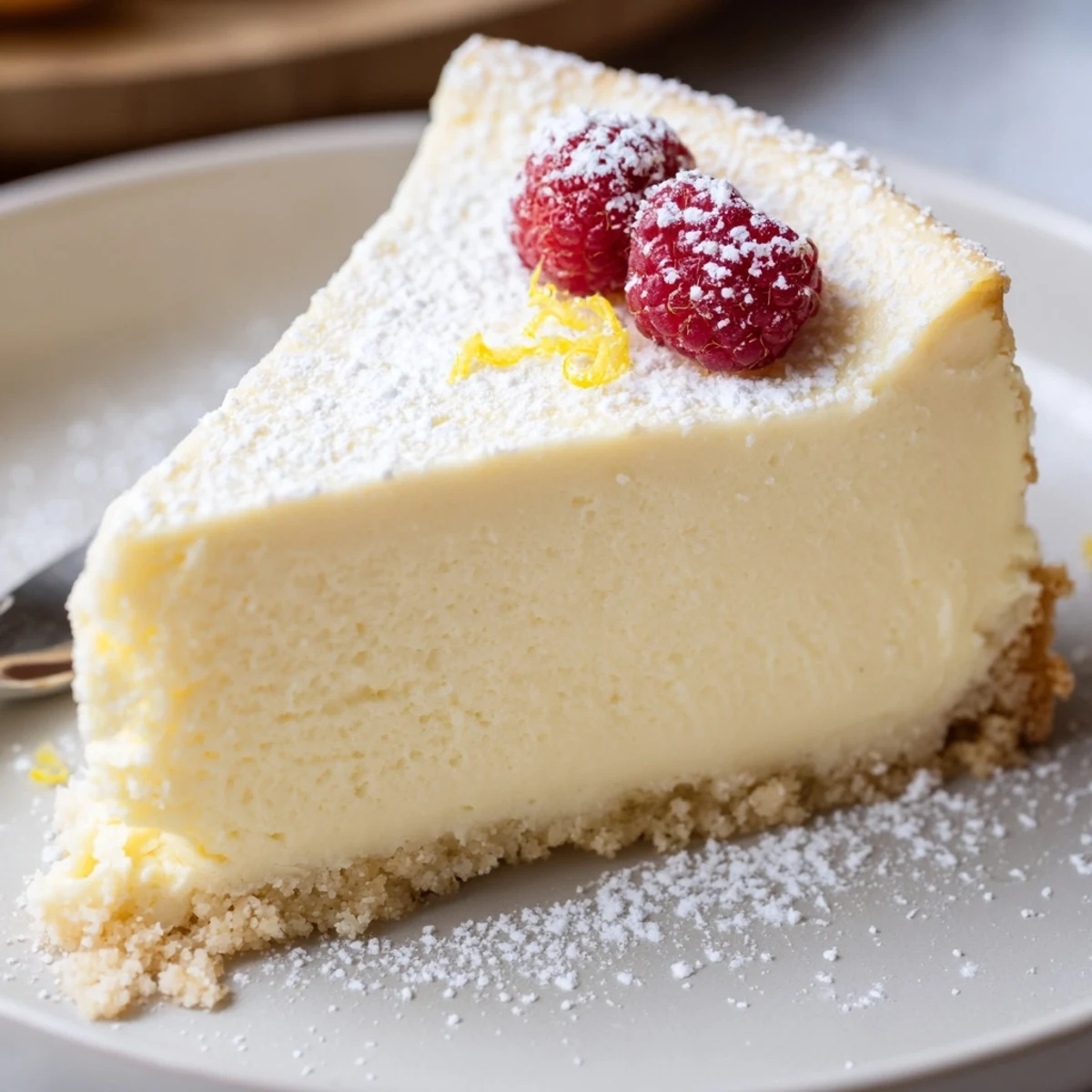
Save The morning after I made my first truly crack free cheesecake, I sat on the kitchen floor with a fork and the leftover edge pieces and realized I had not even taken a photo yet.
What I Learned From a Dozen Failed Cheesecakes
Every crack taught me something, every sunken center was a lesson in patience, and every lumpy filling was a reminder that cold ingredients are the enemy of smooth desserts.
Pairings That Make It Shine
A glass of Moscato dAsti alongside a slice turns a Tuesday night into something worth remembering, and strong black coffee is just as brilliant if wine is not your thing.
Getting Ahead and Storing Leftovers
This is the dessert that rewards planning, and it actually tastes better on day two when the flavors have had time to settle and mingle.
- Wrap the cheesecake tightly in plastic and it stays beautiful in the fridge for up to five days.
- Freeze individual slices on a sheet pan then bag them for emergency dessert situations that definitely happen.
- Always add the sour cream topping the day you serve, not before, so it stays fresh and bright.
 Save
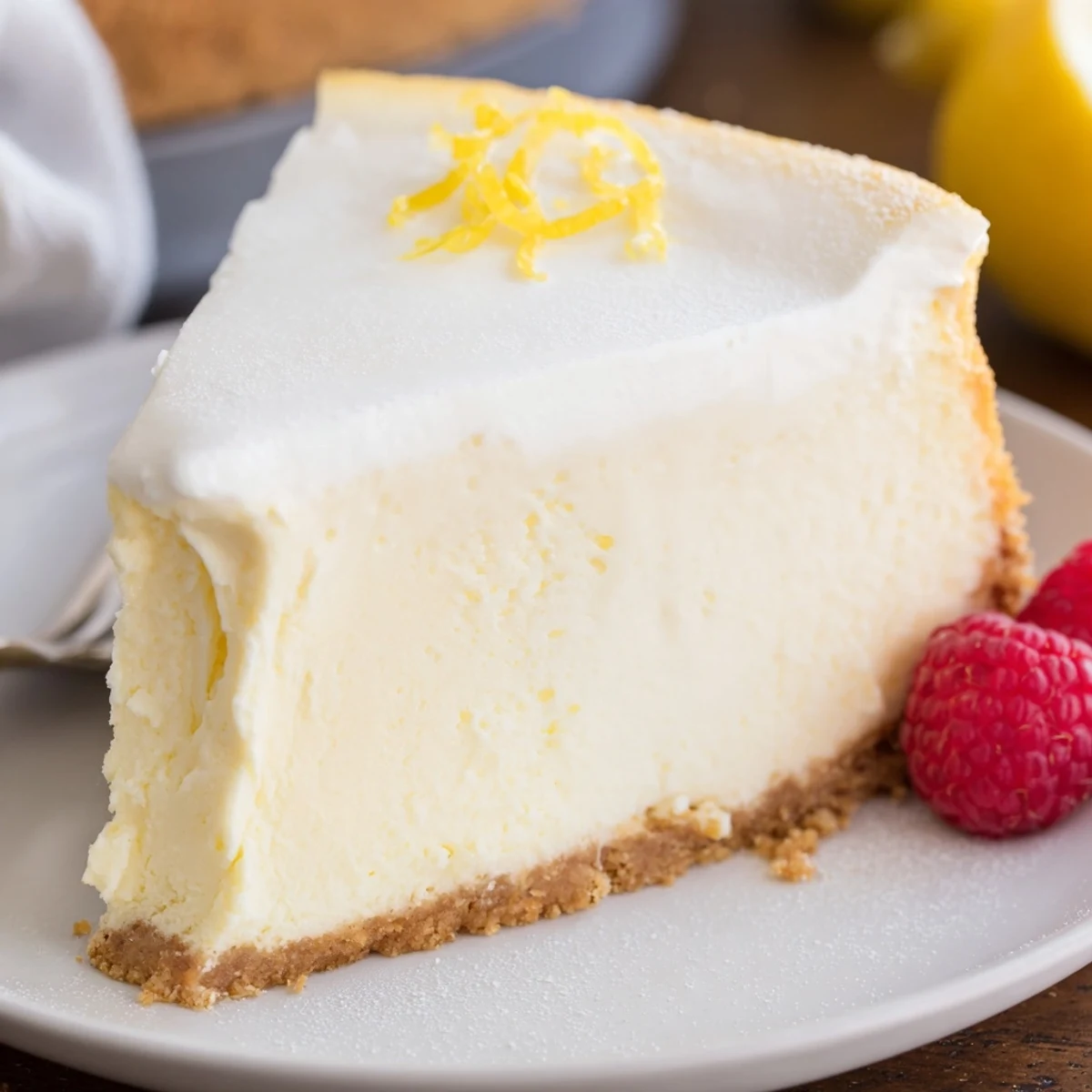
Save Some desserts you make to impress, but this one you make because pulling that first perfect slice from the pan feels like a quiet victory you want to relive every single time.
Your Recipe Questions Answered
- → How can I prevent cracks on the surface?
-
Avoid overmixing the batter and fold ingredients gently. Bake at a low temperature and let the cake cool inside the turned-off oven with the door ajar before chilling; the slow temperature change helps prevent cracks.
- → How do I know when the cheesecake is done?
-
The edges should be set while the center still has a slight jiggle when gently shaken. It will firm as it cools and chills, so resist overbaking for a silky texture.
- → Can I swap the graham cracker crust for something else?
-
Yes. Use crushed digestive biscuits, shortbread, or ground nuts mixed with melted butter. Adjust the butter to reach a pressable texture and prebake the crust briefly for stability.
- → What gives the cheesecake a creamier texture?
-
Use full-fat cream cheese and room-temperature ingredients, mix until smooth but don’t overbeat, and include sour cream for richness. Thorough chilling also helps the texture set properly.
- → Any tips for slicing neat portions?
-
Run a knife under hot water, dry it, and make each cut, wiping the blade between slices. A wet, warm knife gives the cleanest edges on chilled cakes.
- → Can this be frozen and how should I thaw it?
-
Yes. Wrap tightly and freeze for up to a month. Thaw overnight in the refrigerator to preserve texture, then top just before serving for best results.