
 Save
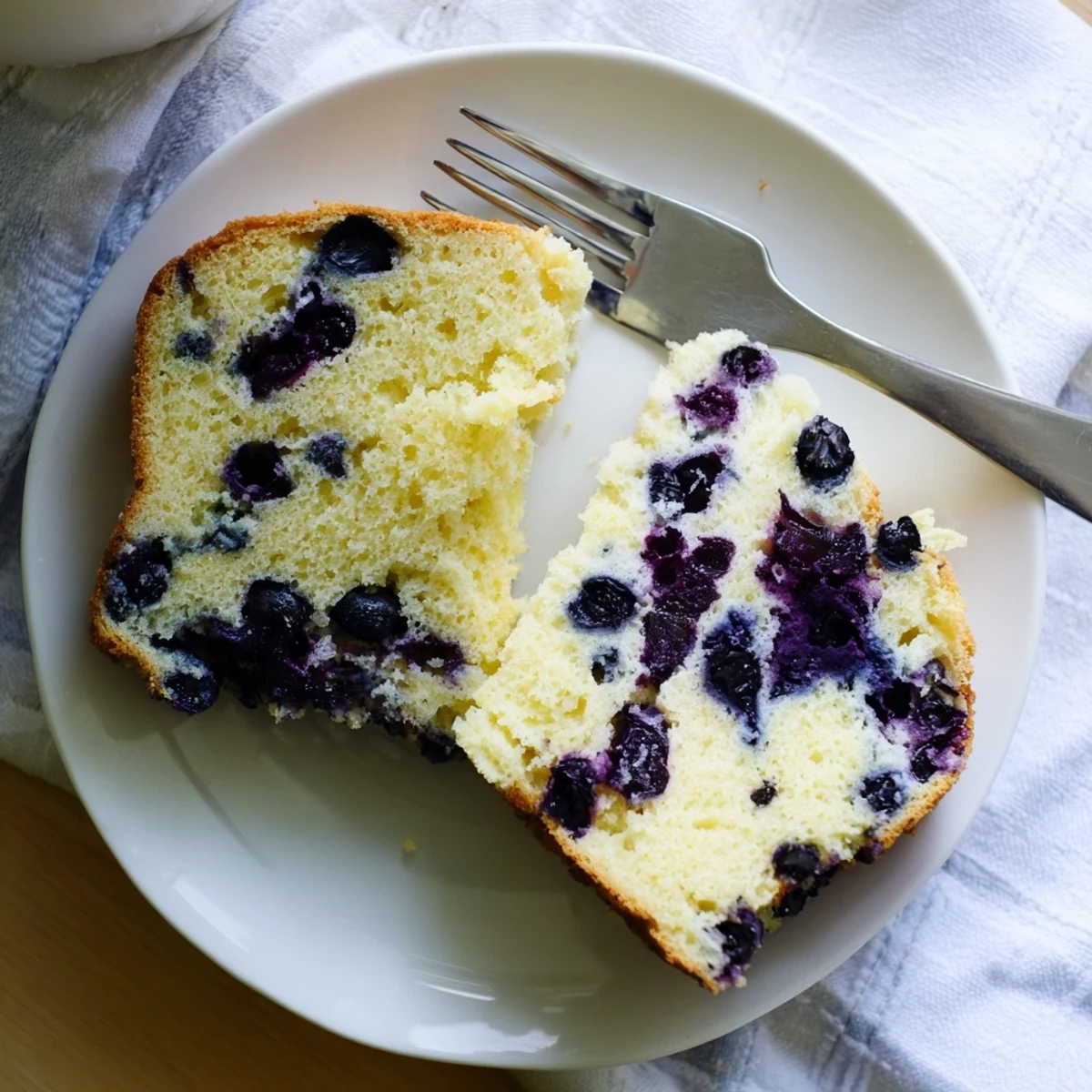
Save This dreamy blueberry chiffon cake delivers an incredibly light and tender texture thanks to the classic chiffon method of separately beaten egg whites. The fresh blueberries add juicy bursts throughout every slice, while lemon zest provides a bright, refreshing note that balances the sweetness. The cake reaches its full potential when served slightly chilled, allowing the flavors to meld beautifully. Perfect for warm weather entertaining, this elegant dessert never fails to impress guests with its impressive height and delicate crumb structure.
The kitchen was already eighty degrees when I decided to bake this chiffon cake last July. Something about that fluffy, cloud-like texture just made sense for a sweltering afternoon, and I had two pints of blueberries threatening to turn if I didn't use them immediately. My husband watched, amused, as I frantically separated seven eggs while sweat trickled down my back.
I brought this to a neighborhood potluck last summer and watched three different people ask for the recipe before they even finished their first slices. My friend Sarah, who claims she cannot bake anything that requires more than mixing a bowl and putting it in the oven, texted me two days later saying she had made it twice already and her kids were begging for it every weekend.
Ingredients
- 2 cups cake flour: The lower protein content is what gives this cake its signature tender crumb that practically melts on your tongue
- 7 large eggs, separated: This many eggs might seem excessive but the whipped whites are literally the structural support system of the entire cake
- Vegetable oil: Butter would make the cake too heavy and oil keeps it incredibly moist even after two days on the counter
- 1 teaspoon cream of tartar: This tiny amount stabilizes the egg whites so they hold their volume through folding and baking
- Lemon zest: Fresh berries and bright lemon were made for each other and the zest adds fragrance without making the cake tangy
- Fresh blueberries: Frozen works in a pinch but fresh berries burst more beautifully and do not add excess moisture to the batter
Instructions
- Get your station ready:
- Preheat your oven to 325°F and grab an ungreased 10-inch chiffon pan because the batter needs to climb the walls to rise properly
- Mix the dry foundation:
- Sift together cake flour, one cup of sugar, baking powder, and salt in a large bowl to aerate everything and prevent lumps
- Whisk the wet base:
- Combine egg yolks, vegetable oil, cold water, vanilla, and lemon zest until completely smooth and emulsified
- Combine both mixtures:
- Pour the wet ingredients into the dry ones and whisk just until you cannot see flour anymore
- Create the magic:
- Beat egg whites and cream of tartar on medium speed until soft peaks form, then gradually rain in the remaining sugar and keep going until stiff glossy peaks form
- Fold with care:
- Gently incorporate the whites in three additions using a rubber spatula, cutting through the middle and folding over the top until barely combined
- Add the berries:
- Toss blueberries with one teaspoon of flour so they do not sink, then fold them in as delicately as you can manage
- Bake until perfect:
- Pour batter into your pan, smooth the top, and bake for 45 to 50 minutes until a skewer comes out clean
- The cooling trick:
- Immediately invert the pan onto a bottle or heat-proof funnel and let it cool completely for about an hour
- Release and serve:
- Run a knife around the edges and center tube, then transfer the cake to a serving plate
 Save
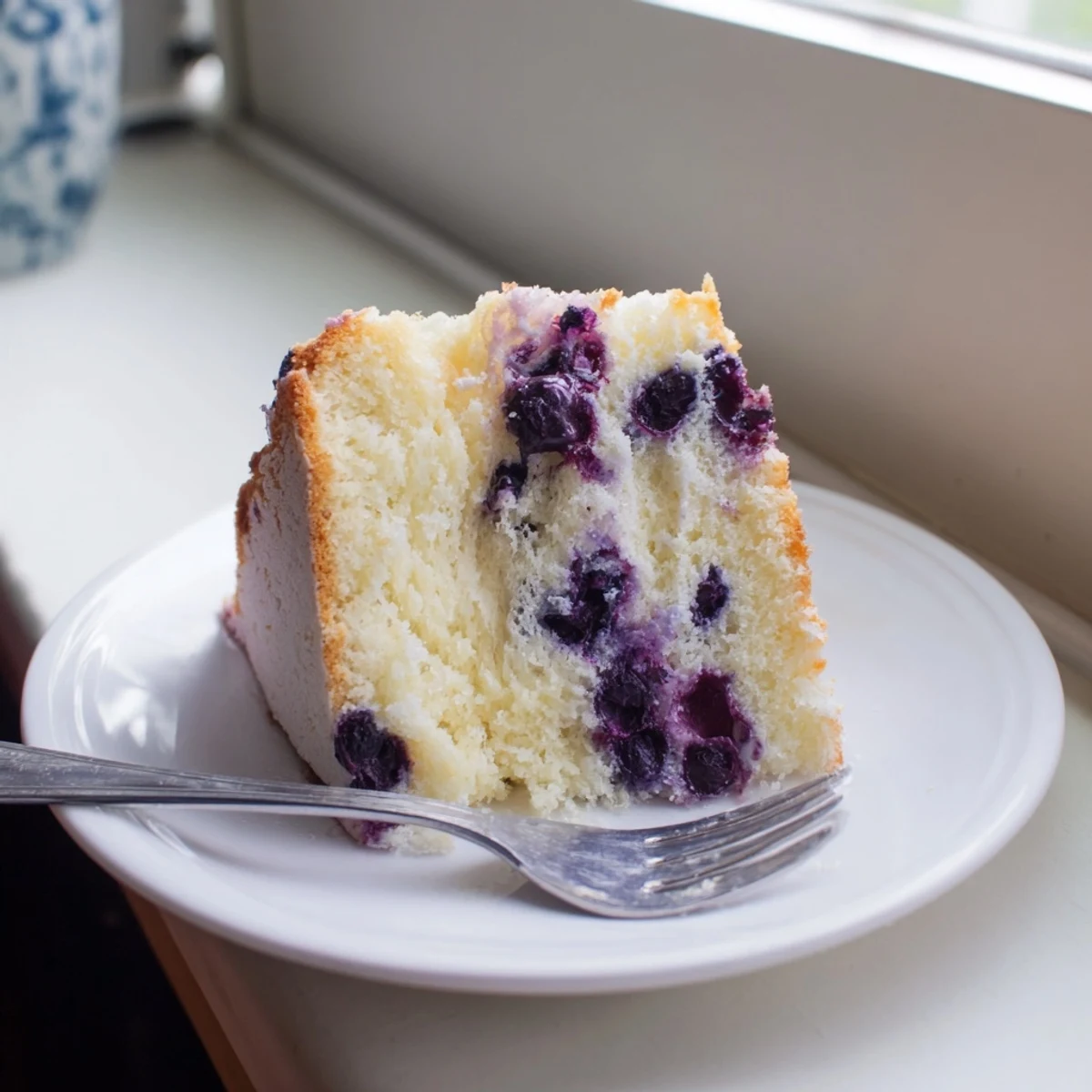
Save My grandmother watched me make this once and shook her head at the upside-down cooling step until she saw how perfectly the cake held its shape. Now she tells everyone at church about the bottle trick like she discovered it herself.
Serving Suggestions
A simple dusting of powdered sugar is elegant enough for afternoon tea but a lemon glaze takes it over the top for dinner parties. I have also served it with barely sweetened whipped cream and a handful of fresh berries on the side.
Storage Secrets
This cake actually improves slightly on day two as the moisture redistributes throughout the crumb. Keep it covered at room temperature and do not refrigerate or the texture will become rubbery and dense.
Make Ahead Tips
You can measure and sift all the dry ingredients the night before to speed things up. The egg whites whip best when they have sat at room temperature for thirty minutes so set them out while you gather everything else.
- Wash and dry the blueberries the night before so they are ready to toss in flour
- Separate your eggs when they are cold because the yolks are less likely to break
- Check that you have a bottle narrow enough to support the inverted pan
 Save
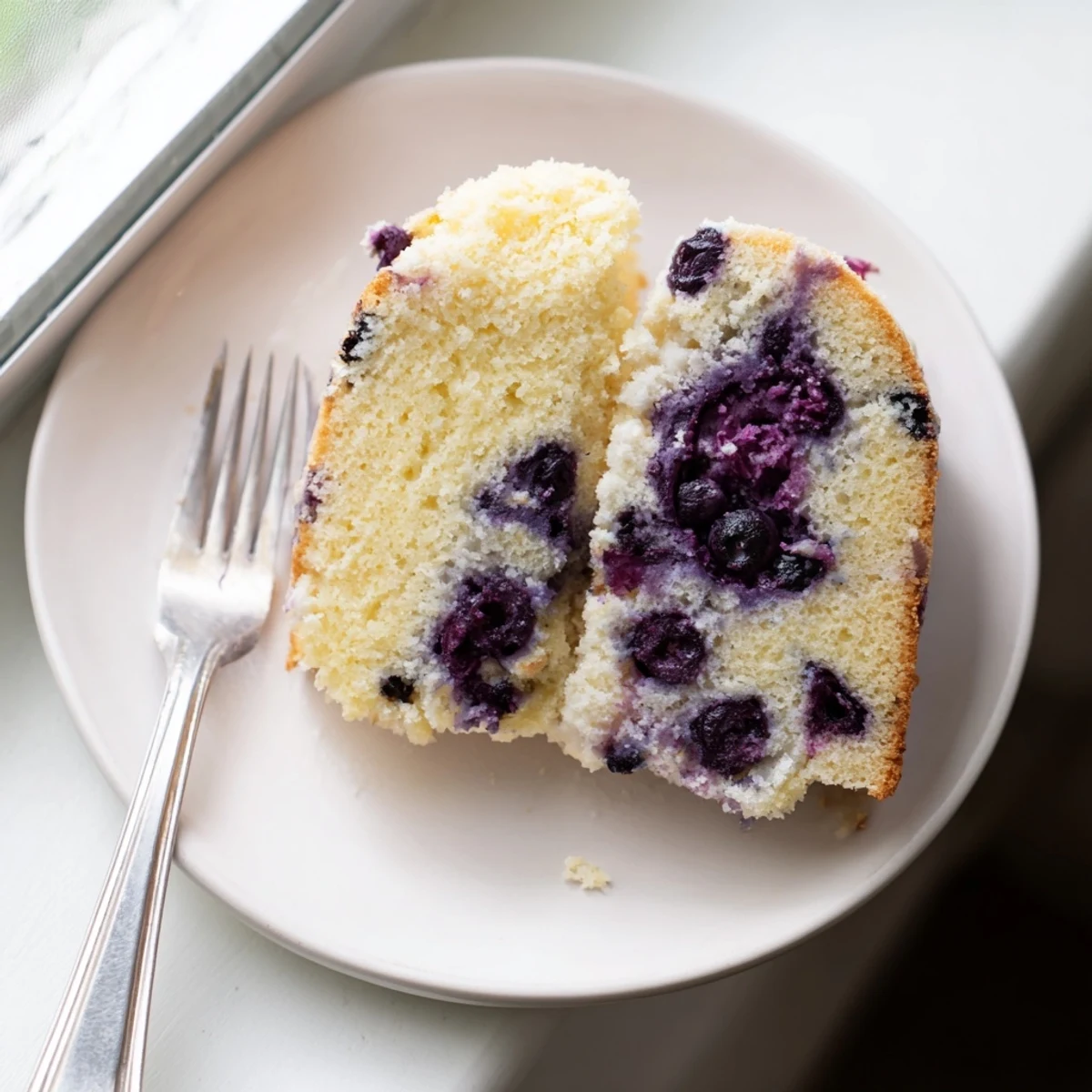
Save There is something genuinely satisfying about slicing into this cake and seeing those beautiful blueberries suspended in perfect golden clouds. It is the kind of dessert that makes people pause and really appreciate what you have created.
Your Recipe Questions Answered
- → Why must the chiffon pan remain ungreased?
-
The batter needs to climb up the sides of the pan as it bakes. Greasing would prevent this essential climbing action, resulting in a denser texture and reduced height.
- → Can I use frozen blueberries instead of fresh?
-
Absolutely! Use frozen blueberries straight from the freezer without thawing. Thawing releases excess moisture that could make the batter too heavy and affect the final texture.
- → Why is the cake inverted immediately after baking?
-
Inverting while warm prevents the delicate structure from collapsing under its own weight. This step is crucial for maintaining the characteristic airy height that makes chiffon cakes so special.
- → How do I know when egg whites are properly whipped?
-
Stiff, glossy peaks should stand straight when the beaters are lifted. The whites should appear smooth and shiny, not dry or grainy. Over-whipping can make them difficult to fold in gently.
- → Can I make this cake ahead of time?
-
The cake keeps well for 2-3 days when stored covered at room temperature. The flavors actually develop further after the first day. Avoid refrigerating unless necessary, as this can dry out the tender crumb.
- → What's the purpose of cream of tartar?
-
Cream of tartar stabilizes the egg whites, helping them maintain their volume during baking and creating a more stable structure that resists deflating when folded into the batter.