
 Save
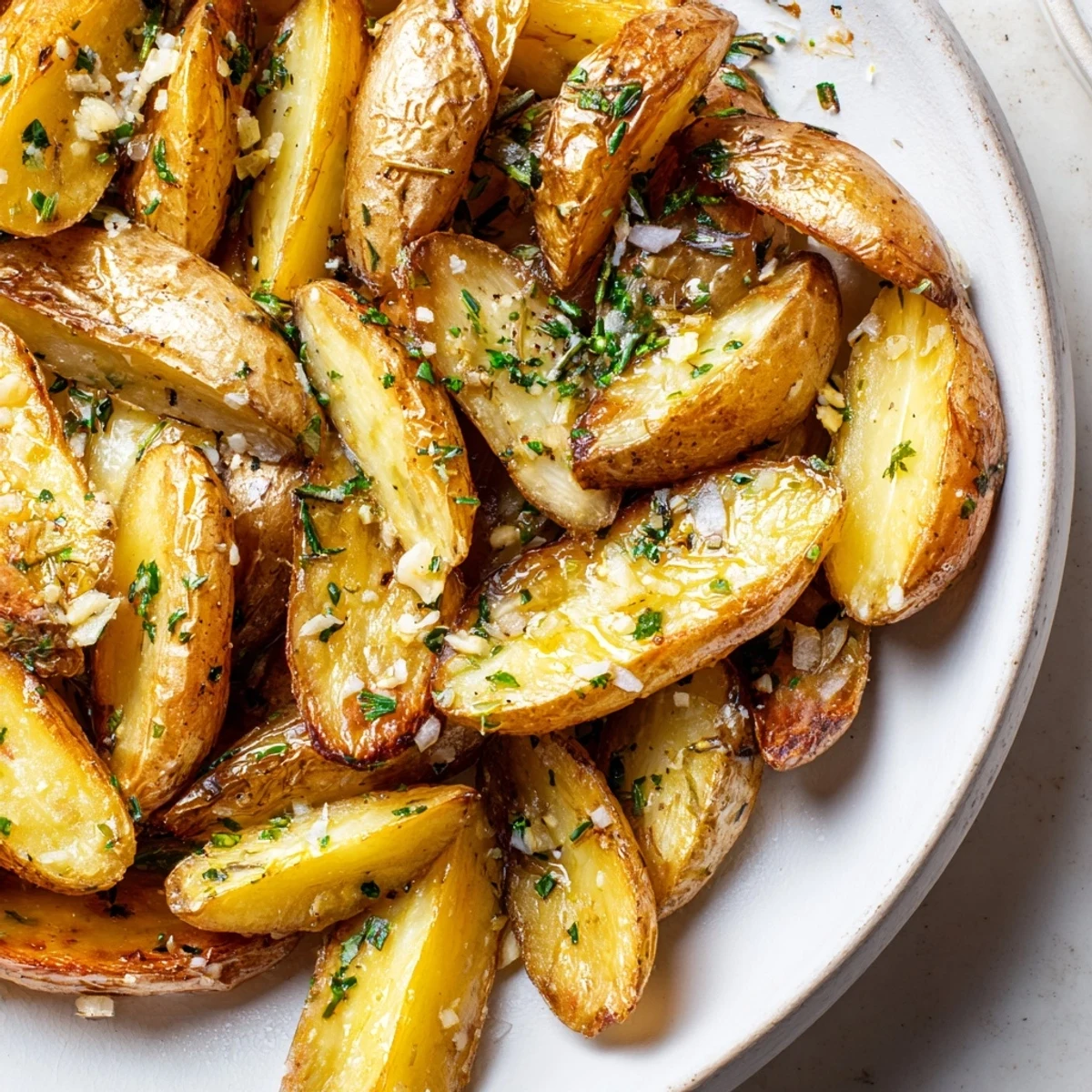
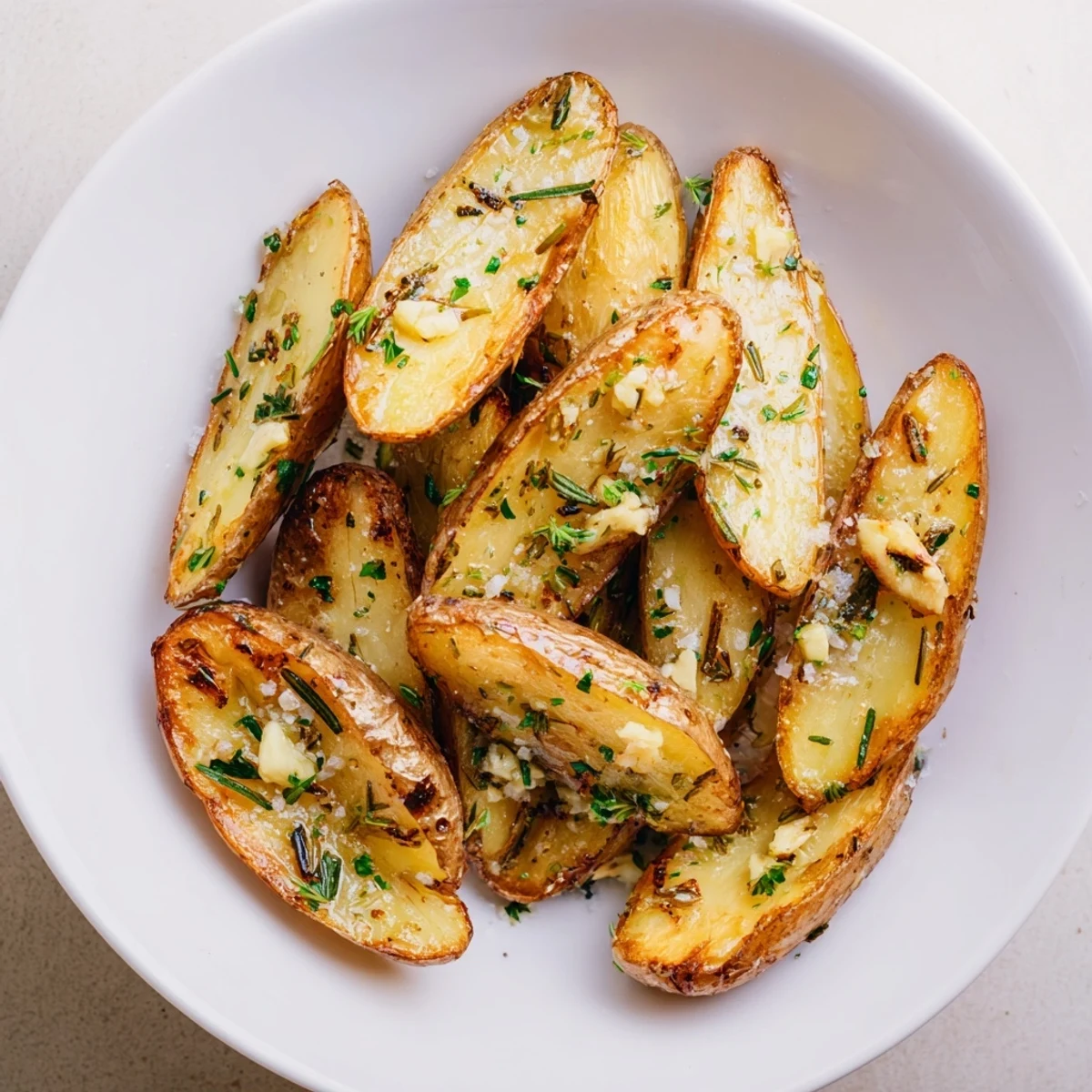
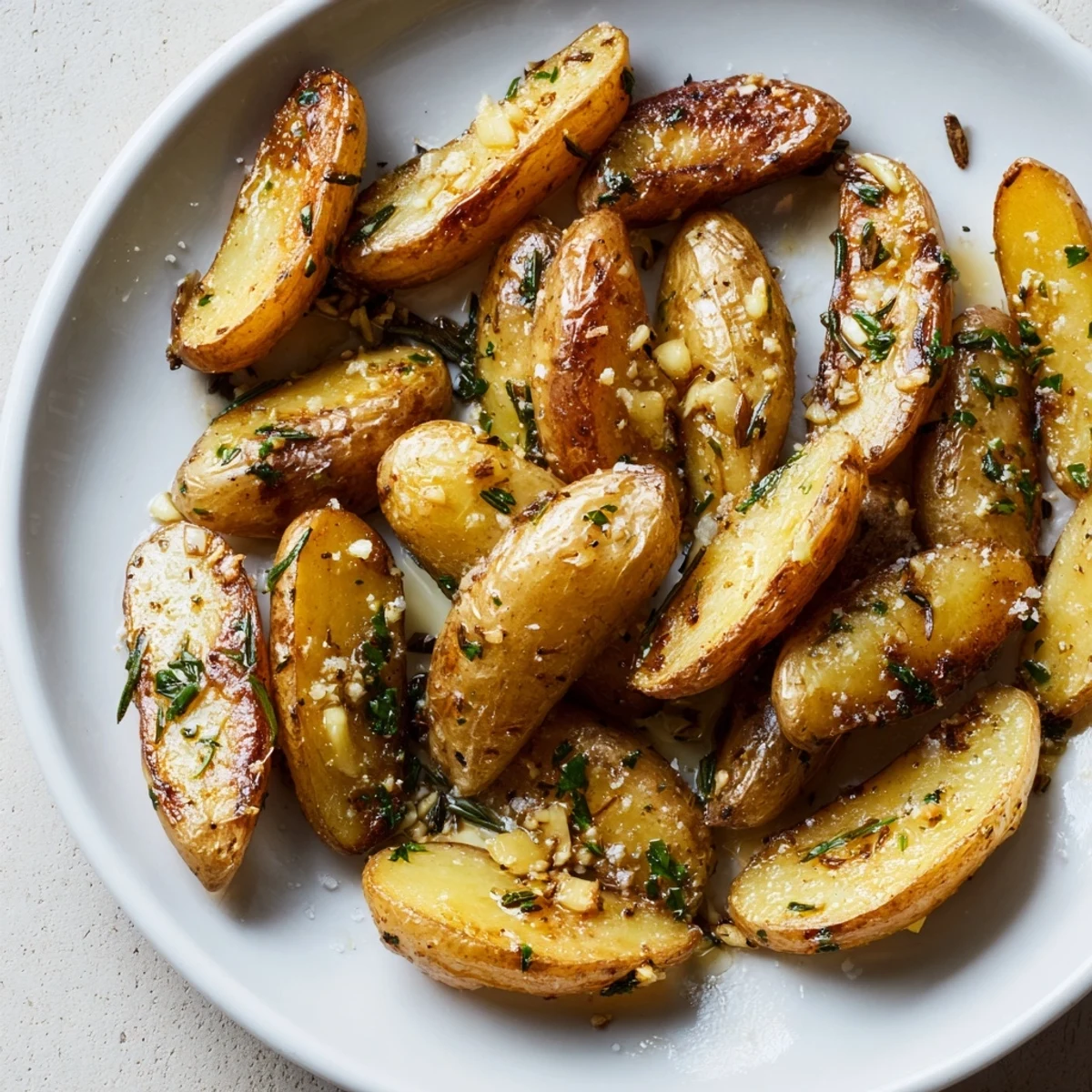
Save This dish features tender fingerling potatoes roasted to a golden crisp, infused with fragrant garlic and fresh rosemary. Olive oil and a mix of herbs coat the potatoes, which are baked until perfectly crispy on the outside and soft inside. Flaky sea salt and extra chopped herbs finish the dish, making it a comforting yet elegant complement to many mains. Preparation is quick and easy, ideal for a flavorful side packed with fresh aromatics.
My neighbor handed me a plate of roasted fingerling potatoes at a garden party last summer, still warm and glistening with herb-infused oil. I bit into one and was struck by how something so simple—just potatoes and rosemary—could taste like actual comfort on a plate. That night I went home determined to reverse-engineer her recipe, and what I discovered was that the secret wasn't technique but respect for the ingredient itself. Now these potatoes appear on my table whenever I want to remind myself that the best meals don't need to be complicated.
I made these for a potluck where someone had warned me not to bring anything too ambitious. Walking in with this humble baking sheet, I felt a little uncertain—until three people came back asking if I'd share the recipe. There's something about the smell of roasting rosemary that makes people gather in the kitchen without being asked.
Ingredients
- Fingerling potatoes: These waxy, thin-skinned potatoes don't fall apart when roasted and develop golden, crispy edges that regular russets can't achieve.
- Olive oil: Use quality oil here—it becomes the vehicle for every other flavor, so it's worth the splurge.
- Fresh rosemary: The dried version works, but fresh rosemary adds a piney brightness that somehow tastes like sunshine.
- Garlic: Minced finely so it distributes evenly and gets a little toasted at the edges, turning slightly sweet.
- Sea salt: I learned to use flaky salt for the final sprinkle—it adds texture and visual interest that table salt can't.
- Fresh thyme and parsley: Optional but they lift the dish from simple to elegant with barely any effort.
Instructions
- Preheat and prep your sheet:
- Get your oven to 425°F and line a baking sheet with parchment paper. This small act means zero scrubbing later and ensures even browning underneath.
- Toss everything together:
- In a large bowl, combine the halved potatoes with olive oil, minced garlic, rosemary, and your other herbs and seasonings. Use your hands if you have to—you want every potato wedge coated and the aromatics distributed evenly.
- Arrange cut-side down:
- Lay the potatoes in a single layer on the prepared sheet with the flat, cut side facing down. This is where the magic happens—that contact with the hot pan creates the caramelized crust you're after.
- Roast and flip halfway:
- Roast for about 12-15 minutes, then give everything a gentle stir or flip so the other side gets its turn at the heat. You're looking for golden-brown edges and a fork-tender center, about 25-30 minutes total.
- Finish and serve:
- Pull them from the oven and immediately sprinkle with flaky sea salt and any extra fresh herbs. The heat helps the salt adhere and the herbs brighten everything.
 Save
Save My kid, who normally pushes vegetables around the plate, asked for seconds of these. That moment taught me that roasting transforms ordinary ingredients into something that tastes like you actually care, and somehow people can taste that difference.
The Herb Question
Fresh versus dried herbs changes the entire personality of this dish. Dried rosemary is concentrated and bold, almost piney in a way that demands respect, while fresh rosemary feels brighter and more delicate. I keep both on hand depending on my mood and what else is on the menu. If I'm pairing these with something light and summery, fresh herbs win every time. But in winter with a heavy roasted chicken, dried rosemary's intensity feels right.
Timing and Temperature
The oven temperature matters more than people realize. At 425°F you get that crucial balance between a crispy exterior and a tender interior. Lower temperatures produce soft, almost steamed potatoes. Higher temperatures risk burning the garlic before the potatoes finish cooking. I learned this through trial and error, mostly error, but now I'm a believer in following the temperature exactly as written.
Variations and Pairings
These potatoes are endlessly flexible because their neutral, earthy base pairs with almost anything. I've added lemon zest at the end for brightness, a pinch of smoked paprika for depth, even a tiny bit of balsamic vinegar for unexpected sweetness. They live equally well beside grilled fish as they do next to a rich steak. The real magic is that you can make them once and then spend weeks discovering new ways to serve them.
- A squeeze of fresh lemon juice right before serving lifts the entire plate with brightness.
- Crumbled feta cheese added at the end transforms these into something that could almost stand alone as a light meal.
- Red pepper flakes bring heat if your table loves a little kick.
 Save
Save These roasted potatoes have quietly become one of those recipes I make when I want to feel like I'm taking care of people without spending hours in the kitchen. There's something deeply satisfying about that.
Your Recipe Questions Answered
- → What potatoes work best for this dish?
-
Fingerling potatoes are ideal for their size and texture, but baby Yukon Gold or small red potatoes can be substituted.
- → How do I ensure the potatoes are crispy?
-
Roast the potatoes cut side down on a preheated baking sheet and flip them halfway through cooking for even crispness.
- → Can I add other herbs to this dish?
-
Yes, fresh parsley and thyme are great additions for more herbal depth, but rosemary and garlic remain key flavors.
- → Is there a way to boost the flavor before serving?
-
A squeeze of fresh lemon juice added after roasting brightens the flavors and adds a lovely zest.
- → What dishes pair well with these roasted potatoes?
-
They complement roasted chicken, steak, vegetarian mains, and pair beautifully with a crisp Sauvignon Blanc.