
 Save
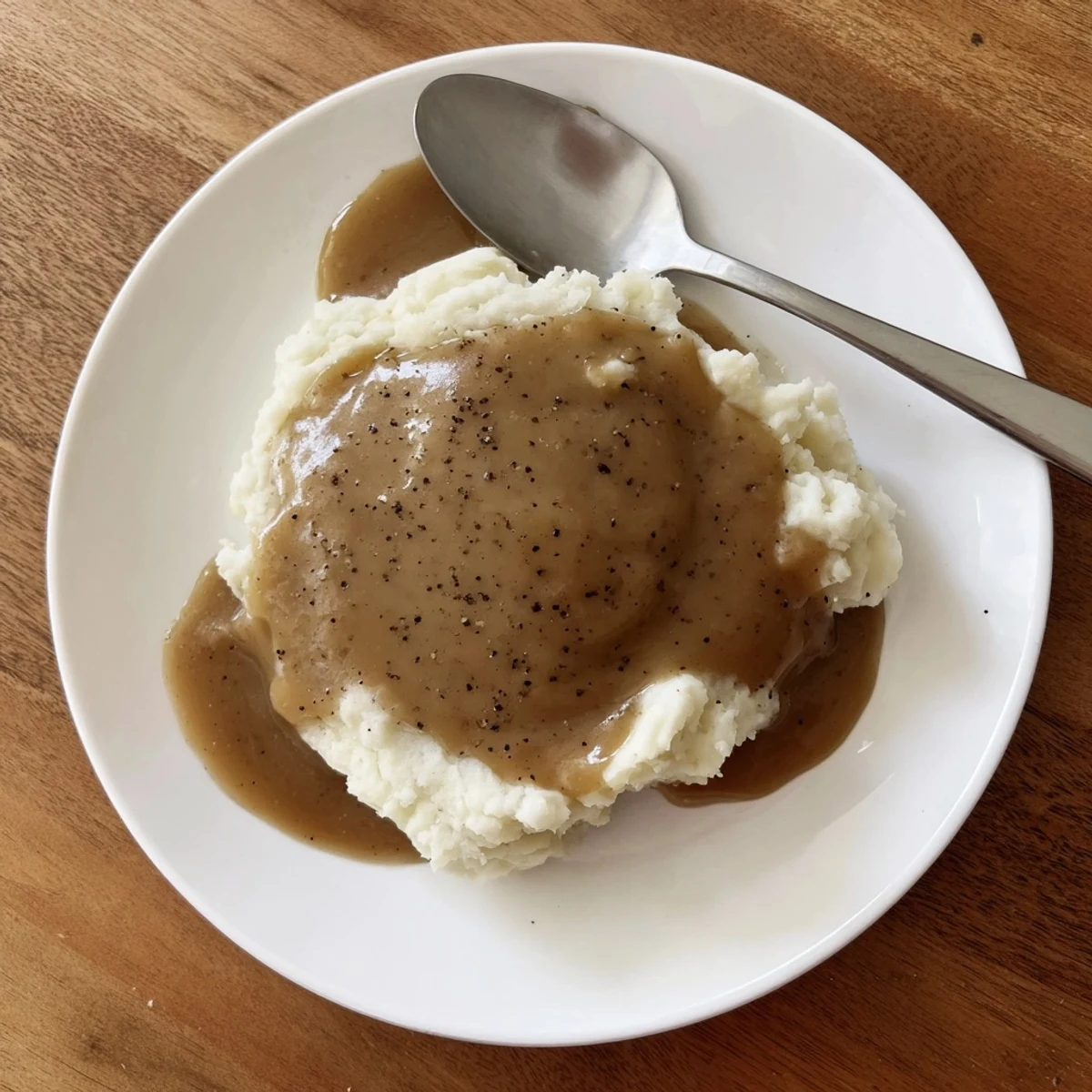
Save Craft a luscious, restaurant-quality sauce using butter, flour, and stock. This classic technique creates a smooth, pourable consistency that elevates any roasted meat, potatoes, or holiday sides. The roux-based method ensures lump-free results every time, while optional herbs and seasonings allow customization for your perfect flavor profile.
My grandmother taught me that gravy can salvage almost any meal. She'd stand over the stove, whisk in hand, transforming what looked like a kitchen disaster into something that made everyone ask for seconds. The secret isn't some fancy technique
Last Thanksgiving, I accidentally burned the turkey skin and thought dinner was ruined. But I made a double batch of this gravy, poured it generously over everything, and my family actually said it was the best Thanksgiving meal they'd ever had. Sometimes the sauce really does save the day.
Ingredients
- 4 tbsp unsalted butter: Butter gives the gravy richness and depth, though pan drippings from a roast work beautifully too if you have them
- 1/4 cup all-purpose flour: This forms your roux, the thickening base that creates that perfect velvety texture we all want in gravy
- 2 cups low-sodium chicken stock: Starting with low-sodium stock lets you control the final seasoning perfectly
- 1/2 tsp kosher salt: Essential for bringing all the flavors forward, though you'll adjust to taste at the end
- 1/4 tsp freshly ground black pepper: Freshly ground makes a noticeable difference in depth and complexity
- Optional dried thyme or sage: These herbs add a lovely earthy note that pairs beautifully with roasted meats
Instructions
- Melt the butter:
- Place your butter in a medium saucepan over medium heat, watching carefully as it melts and begins to foam slightly
- Create the roux:
- Whisk in the flour constantly for 2 to 3 minutes until the mixture turns a light golden color and smells nutty and fragrant
- Add the stock gradually:
- Pour in the stock very slowly while whisking vigorously to ensure the roux incorporates smoothly without forming any lumps
- Simmer to thicken:
- Bring the mixture to a gentle bubble and continue whisking often for about 10 minutes until it coats the back of a spoon
- Season to perfection:
- Taste your gravy and add salt, pepper, and herbs as needed, remembering that flavors intensify slightly as it sits
- Strain for smoothness:
- For restaurant-style results, pour the gravy through a fine-mesh sieve to catch any bits of flour or herbs
 Save
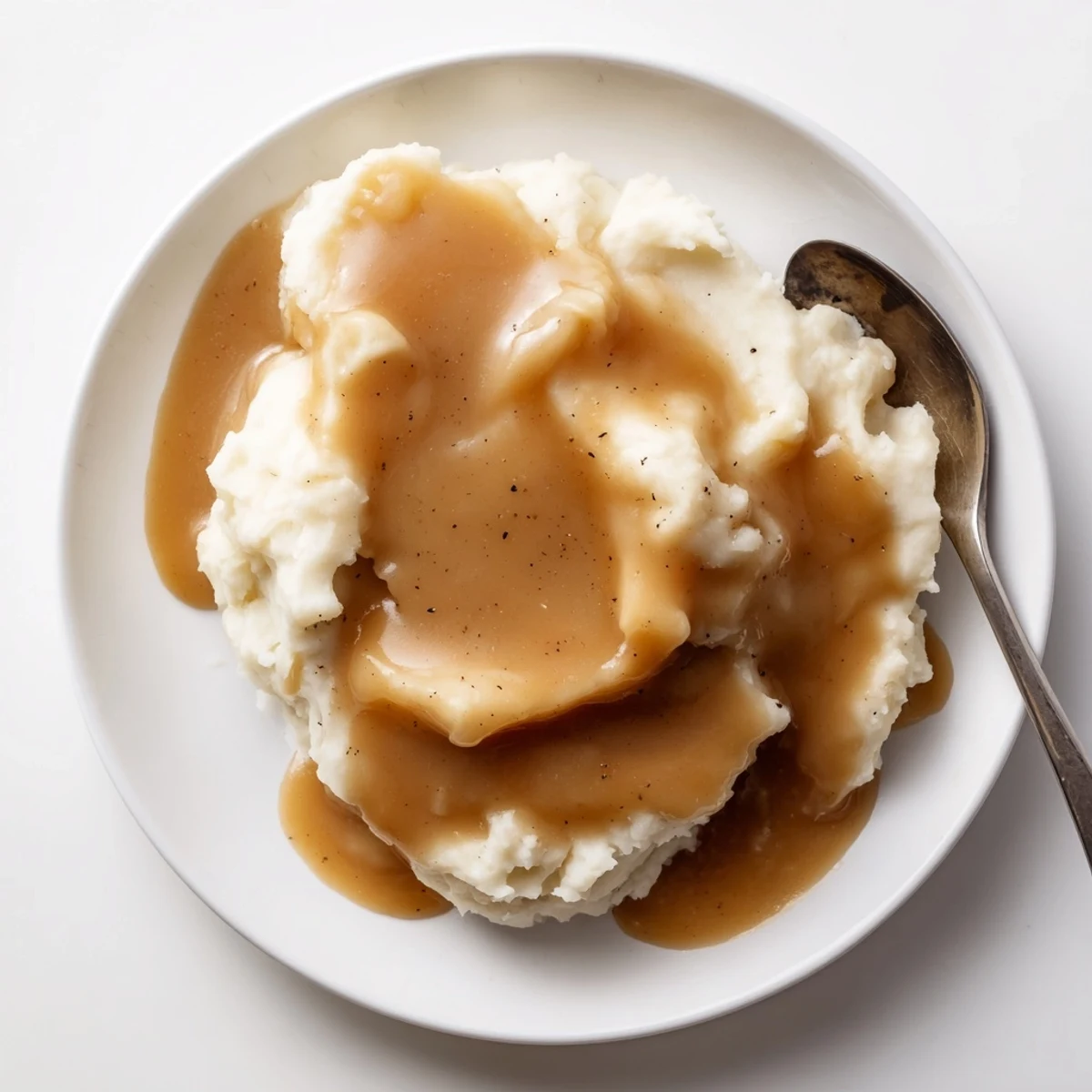
Save My friend Sarah claimed she couldn't make gravy to save her life until I walked her through this method over the phone while she stood at her stove. She called me five minutes later, genuinely shocked that she'd created something that looked and tasted like it came from a restaurant kitchen.
Making It Vegetarian
Swapping vegetable stock for chicken stock creates an equally delicious version that everyone at the table can enjoy. The technique stays exactly the same, and you'll be amazed at how deeply flavorful a plant-based gravy can be when you take the time to properly cook your roux.
Deepening the Flavor
Sautéing a minced shallot in the butter before adding the flour adds a subtle sweetness that elevates the entire sauce. A splash of cream at the end creates luxurious richness, while soy sauce brings an unexpected umami punch that makes people wonder what your secret ingredient might be.
Make Ahead Strategy
Gravy reheats beautifully, so you can make it up to two days in advance and store it in an airtight container in the refrigerator. When reheating, add a splash of stock or water and whisk constantly over low heat to bring it back to the perfect consistency.
- Make a double batch and freeze half for busy weeknight meals
- Use leftover gravy as a base for shepherd's pie or beef stew
- Keep a whisk dedicated to gravy making to avoid any cross-contamination
 Save
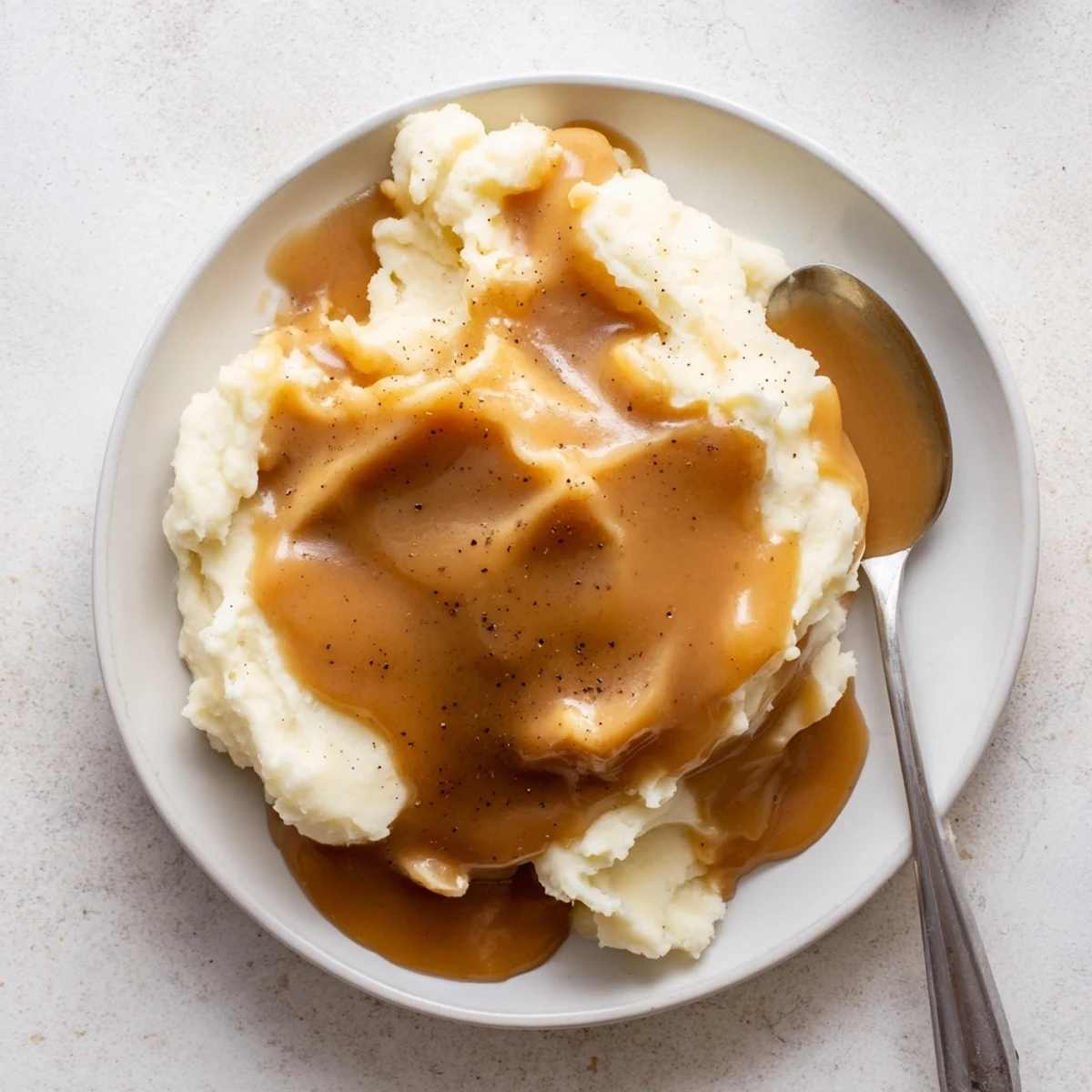
Save Good gravy has a way of turning an ordinary meal into something that feels like a hug on a plate. There's something deeply comforting about standing at the stove, whisking away, knowing you're creating something that will bring people together.
Your Recipe Questions Answered
- → What's the secret to lump-free gravy?
-
Whisk continuously while gradually adding stock to the roux. This constant motion incorporates liquid smoothly and prevents flour clumps from forming. Straining through a fine-mesh sieve afterward guarantees an ultra-silky finish.
- → Can I make this ahead of time?
-
Yes, prepare up to 2 days in advance and refrigerate. Reheat gently over low heat, whisking in small amounts of warm stock or water to restore the desired consistency. Avoid boiling as this may cause separation.
- → How do I thicken gravy that's too thin?
-
Create a slurry by mixing equal parts cornstarch and cold water, then whisk into the simmering liquid. Alternatively, make a butter roux separately (1 part butter to 1 part flour) and whisk in until reaching the desired thickness.
- → What's the best stock for rich flavor?
-
Low-sodium chicken or beef stock provides the deepest flavor foundation. Vegetable stock works beautifully for vegetarian versions. Quality stock significantly impacts the final taste, so choose brands you enjoy or make your own.
- → How can I add more depth to the flavor?
-
Sauté minced shallots or garlic in the butter before adding flour. A splash of soy sauce introduces umami richness. Fresh herbs like thyme, sage, or rosemary add aromatic complexity. A touch of cream or white wine creates luxurious depth.