
 Save
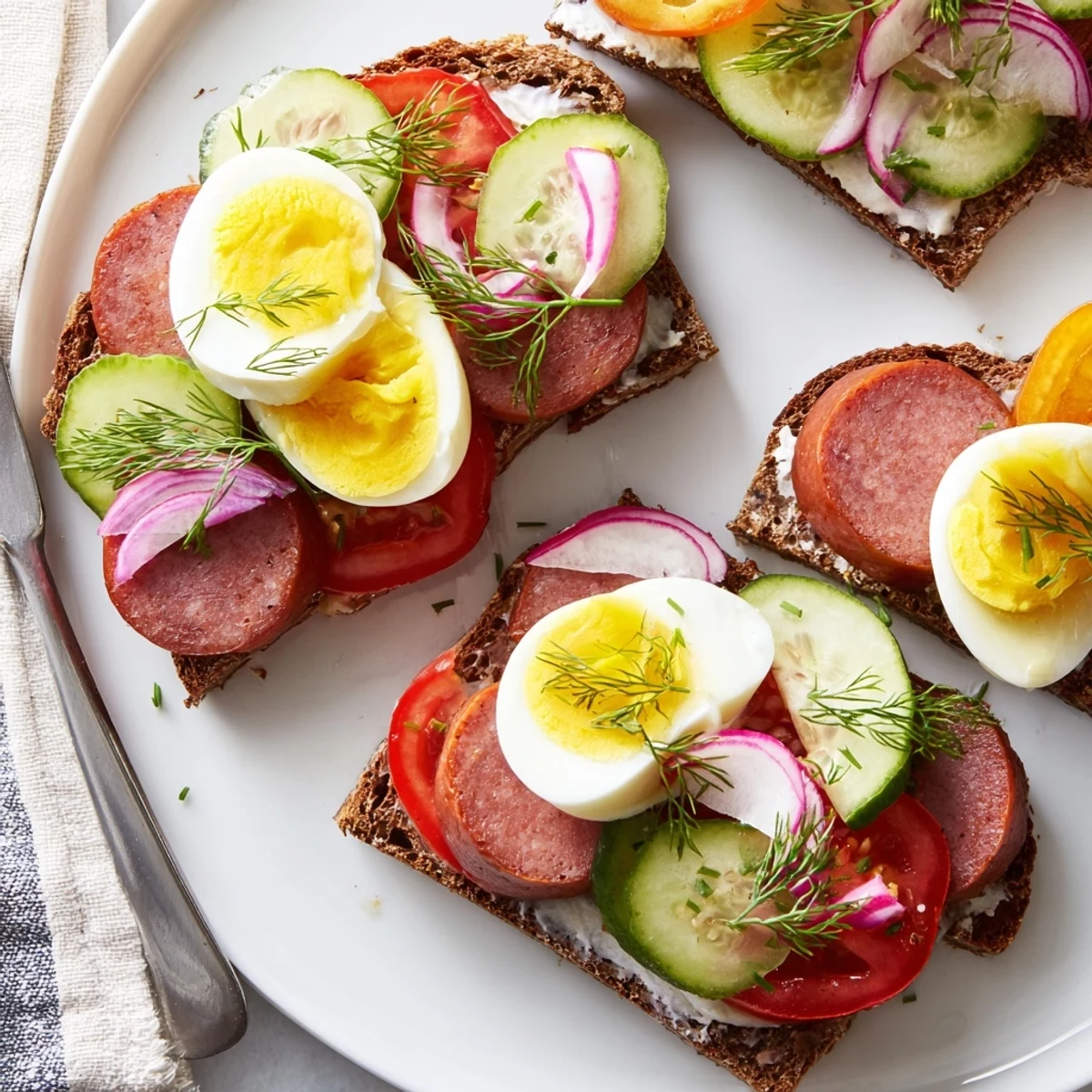
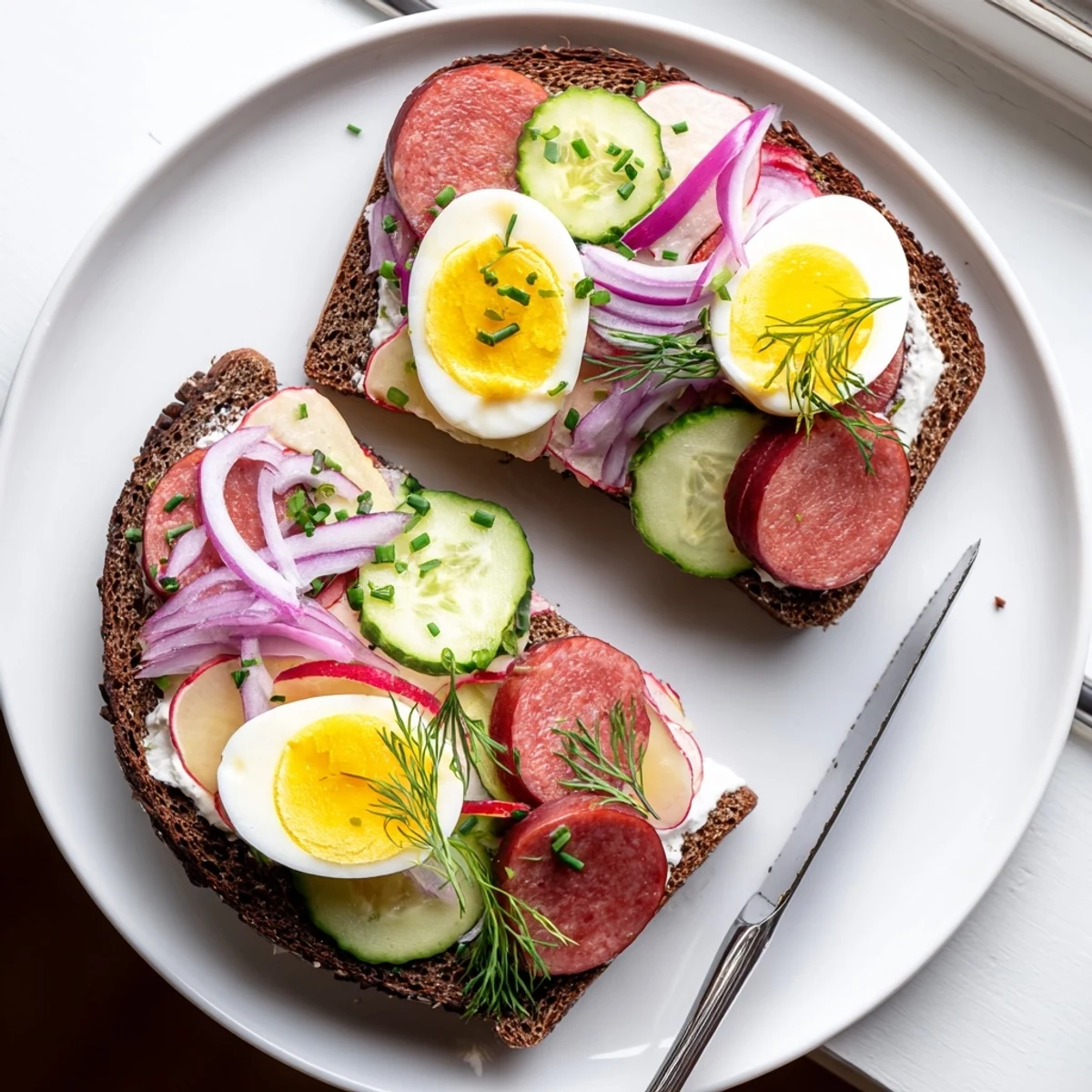
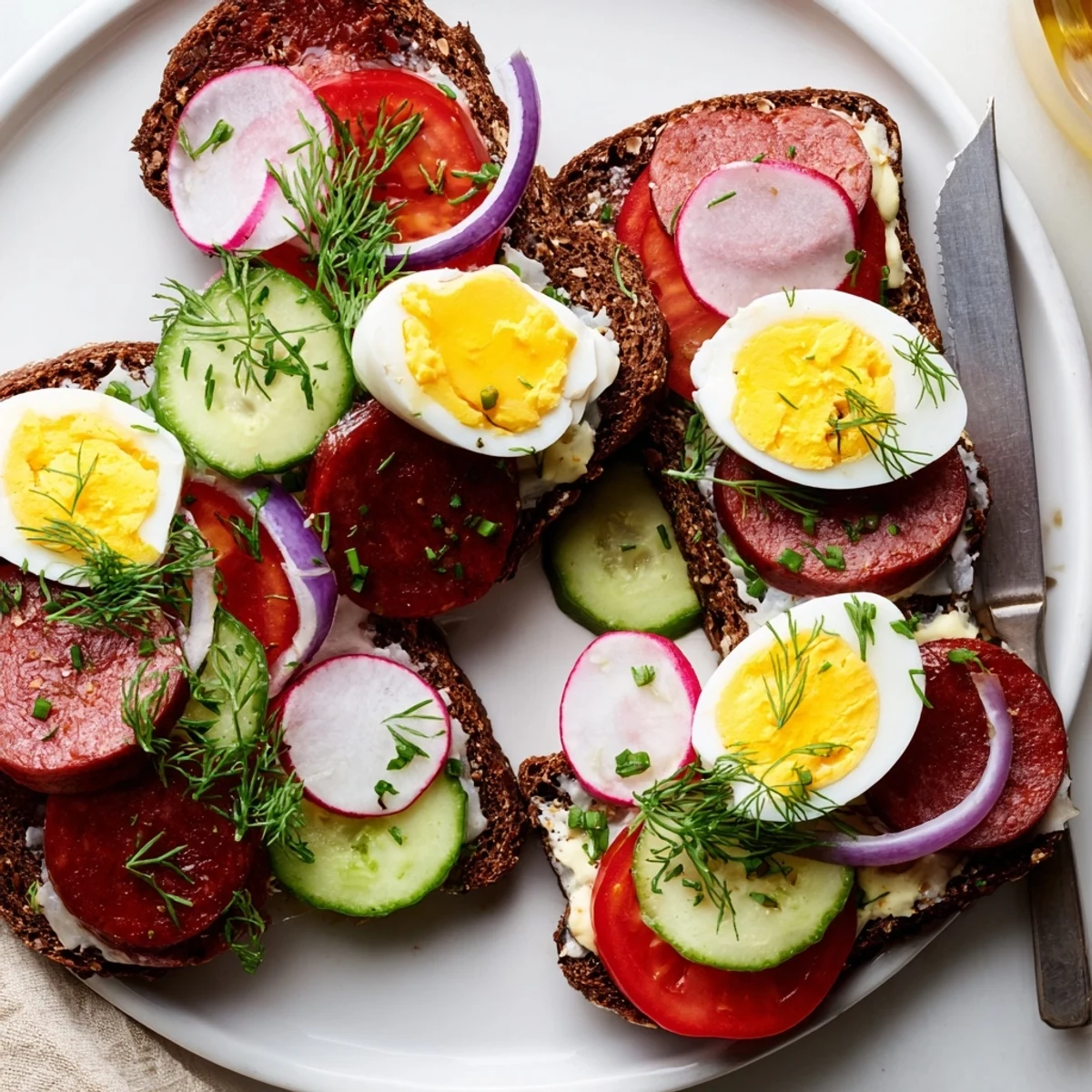
Save Polish kanapki are vibrant open-faced sandwiches built on slices of hearty rye bread or baguette, spread with creamy butter or cream cheese, then layered with kielbasa, smoked ham, hard-cooked egg, or melted yellow cheese.
Topped with thin slices of tomato, cucumber, radish, and red onion, each sandwich is finished with a sprinkle of fresh chives or dill and a crack of black pepper.
Ready in just 15 minutes with no cooking required, kanapki are endlessly customizable and work beautifully as a breakfast, light lunch, or party appetizer that showcases the simple, satisfying flavors of Polish home cooking.
My grandmother never measured anything when she made kanapki on Sunday mornings, yet every single one looked like a tiny work of art perched on a slice of dark rye. She would line up the bread on her worn wooden board and build each sandwich with the precision of someone painting a canvas. The smell of fresh chives and the sharp bite of radish still transport me straight back to that kitchen in Chicago. This recipe captures that same effortless beauty with nothing more than good bread, fresh toppings, and a generous hand with the butter.
I once brought a platter of these to a friend potluck and watched a woman who grew up in Warsaw freeze mid conversation, point at the table, and whisper that they looked exactly like the ones her mother used to make. She stood there eating three in a row without finishing her sentence. That is the quiet power of a well assembled kanapka. It does not try to impress you with complexity, it simply reminds you of somewhere familiar.
Ingredients
- 8 slices rye bread or baguette: Dense, sour rye is traditional and holds up beautifully under layers of toppings without getting soggy.
- 3 tbsp unsalted butter, softened: Let it sit out until it spreads like frosting because cold butter will tear your bread and ruin the foundation of everything.
- 2 tbsp cream cheese (optional): A thin layer beneath sharper toppings adds a creamy coolness that works especially well with smoked meats.
- 4 slices kielbasa or smoked ham: Thinly sliced so each bite delivers flavor without overwhelming the delicate balance of the sandwich.
- 4 slices cooked egg: Hard boil them just until the yolk is set but still bright, then slice with a sharp knife for clean, pretty rounds.
- 4 slices yellow cheese (Edam or Gouda): A mild cheese lets the other ingredients shine while adding a smooth, satisfying layer.
- 1 tomato, thinly sliced: Use a serrated knife and salt the slices lightly to draw out excess moisture before assembling.
- 1 small cucumber, thinly sliced: Leave the skin on for color and a satisfying snap with every bite.
- 1/4 red onion, thinly sliced: Soak the slices in ice water for five minutes if you find raw onion too aggressive.
- 8 radishes, thinly sliced: Their peppery crunch is what makes these sandwiches taste authentically Polish and wonderfully alive.
- Fresh chives or dill, chopped: Fresh herbs are not garnish here, they are the finishing touch that ties every flavor together.
- Salt and freshly ground black pepper: A final grinding of pepper over each sandwich just before serving wakes up every single ingredient.
Instructions
- Prepare your canvas:
- Lay all eight bread slices flat on a clean cutting board or serving platter, giving yourself room to work without crowding.
- Spread the foundation:
- Using a butter knife, spread an even layer of softened butter or cream cheese across each slice, reaching all the way to the edges so every bite carries that richness.
- Layer on the heartiness:
- Arrange your choice of kielbasa, ham, egg slices, or cheese on each piece of bread, mixing and matching so your platter offers a variety of options for everyone at the table.
- Add the fresh crunch:
- Top each sandwich with thin slices of tomato, cucumber, red onion, and radish, arranging them in overlapping layers so they look abundant and inviting.
- Finish with flair:
- Sprinkle each kanapka generously with chopped chives or dill, then season with a pinch of salt and a few cranks of black pepper just before they head to the table.
- Serve immediately:
- Open faced sandwiches wait for no one, so call everyone to the kitchen and let them eat while the bread is still firm and the vegetables are at their crispest.
 Save
Save There is something deeply satisfying about standing in a quiet kitchen with a cup of black tea, methodically building a row of these sandwiches while the morning light comes through the window. No oven humming, no timers beeping, just your hands and a stack of fresh ingredients becoming something greater than their parts.
The Art of Arranging
Think of each slice of bread as a small plate that deserves attention. Alternate colors by placing a pale egg round next to a crimson radish slice, or fan the cucumber pieces slightly so they overlap like shingles. My grandmother always placed the herbs last, scattering them like confetti, and she insisted that the first bite should be taken with your eyes.
Bread Makes or Breaks It
Do not even think about using squishy sandwich bread for these because it will collapse under the weight of the toppings and leave you eating a sad pile of ingredients off your plate. A proper dense rye with a tight crumb and a slight sour tang is what gives kanapki their soul. If rye is unavailable, a day old baguette sliced on the diagonal works as a respectable stand in.
What to Serve Alongside
These sandwiches love company in the form of a simple spread of pickles, a pot of strong black tea, or an ice cold lager if the weather calls for it. Set everything out on a cutting board and let people graze and build their own combinations. It turns a quick snack into a lingering afternoon.
- Keep a bowl of extra toppings nearby so everyone can customize their second round.
- A smear of horseradish under the kielbasa will wake up the whole platter in the best way.
- Remember that the best kanapki are the ones eaten standing in the kitchen with good conversation.
 Save
Save A plate of open faced kanapki handed to someone you love is really a small edible letter that says you took fifteen minutes to make something beautiful just for them. That is a tradition worth keeping alive in any kitchen.
Your Recipe Questions Answered
- → What type of bread works best for kanapki?
-
Dense, hearty rye bread is the traditional choice and holds toppings well without becoming soggy. A fresh baguette, sourdough, or wholegrain loaf also works nicely. Slice the bread about half an inch thick so it is sturdy enough to support the layers of meat, cheese, and vegetables.
- → Can I prepare kanapki ahead of time?
-
You can assemble them up to two hours in advance, but for the freshest result, spread the bread and arrange toppings shortly before serving. If preparing ahead, avoid placing wet ingredients like tomato slices directly on the bread — add them just before serving to prevent sogginess.
- → What are traditional kanapki toppings in Poland?
-
Classic Polish kanapki feature sliced kielbasa, smoked ham, hard-boiled egg, yellow cheese such as Edam or Gouda, pickles, fresh cucumber, tomato, radish, and red onion. Fresh herbs like dill or chives are essential for an authentic finish.
- → How do I make kanapki vegetarian?
-
Simply skip the kielbasa and ham, and focus on toppings like hard-boiled egg slices, yellow cheese, cream cheese, and plenty of fresh vegetables. Marinated mushrooms, roasted peppers, or pickled herring (for pescatarians) are also popular vegetarian-friendly options in Polish households.
- → What should I serve with Polish kanapki?
-
Kanapki pair wonderfully with a hot cup of black tea or a cold, crisp Polish lager. For a fuller spread, serve them alongside a bowl of cucumber salad, beet soup, or a plate of assorted pickles and horseradish for extra flavor.