
 Save
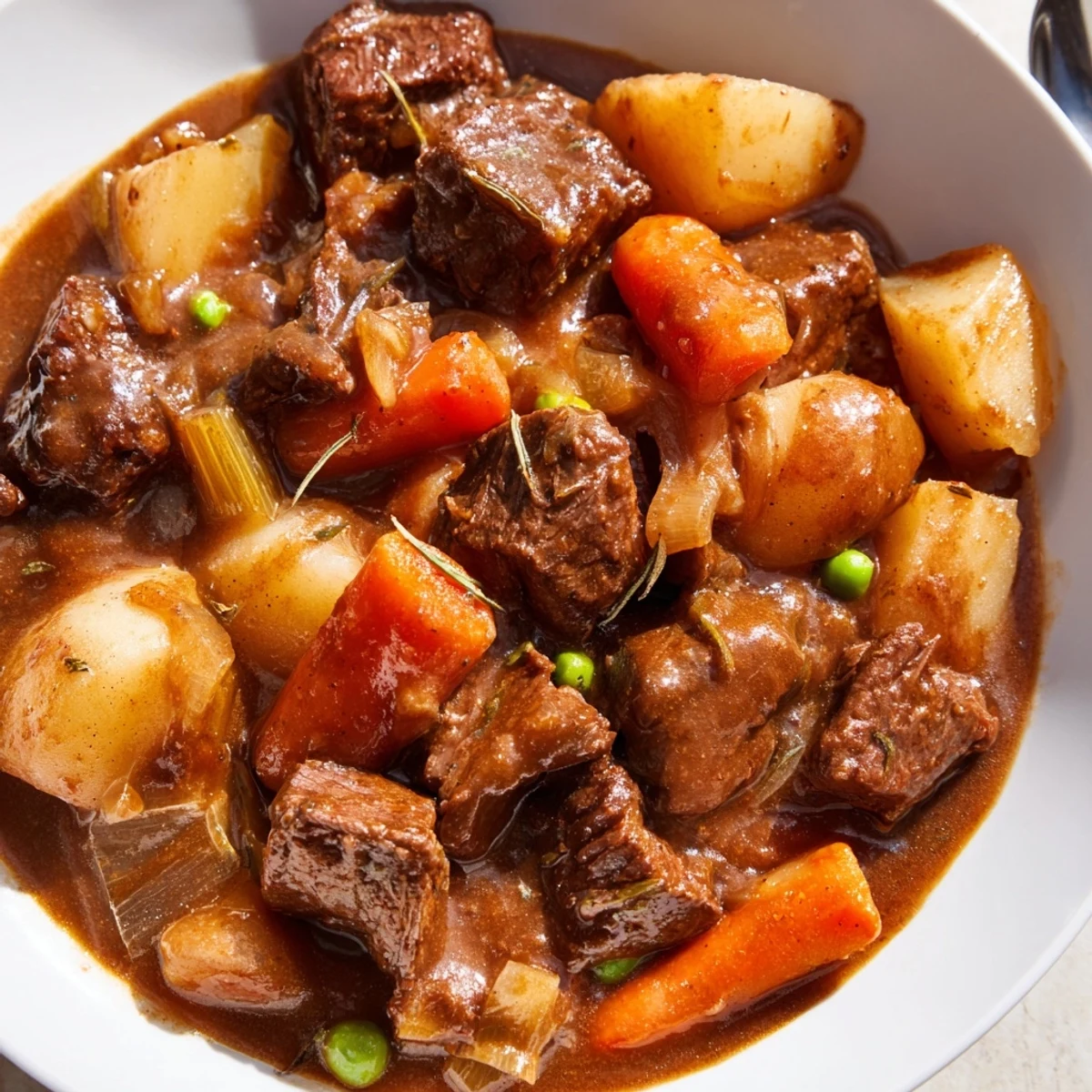
Save This beef stew starts by searing seasoned chuck for deep flavor, then softening onions and garlic in the same pot. Flour and tomato paste are cooked briefly, then wine and stock are added to deglaze and build a rich braise. Carrots, potatoes and celery simmer slowly for about two hours until meat is fork-tender. Finish with peas, adjust seasoning, and serve with crusty bread or buttered noodles. Use cornstarch to thicken for a gluten-free option.
The rain was hammering against the kitchen window so hard that November afternoon that I could barely hear the radio, which was probably for the best because the station kept playing songs I did not want to hear. I had a big slab of beef chuck sitting on the counter and a fridge full of vegetables that needed using, so stew was the only logical conclusion. Two and a half hours later, the entire house smelled like something I wanted to crawl inside and live in forever. That pot of stew fed us for three days, and honestly it was better on day two.
My neighbor Dave knocked on the door that evening to return a borrowed ladder and ended up staying for two bowls. He stood in the kitchen eating straight from the pot, which I would have minded except I understood the impulse completely.
Ingredients
- Beef chuck (2 lbs, cut into 1.5 inch cubes): Chuck is the undisputed champion here because the marbling breaks down during the long simmer and keeps every bite tender.
- Carrots (4 medium, peeled and sliced): They add sweetness that balances the savory depth of the broth.
- Potatoes (3 large, peeled and diced): These break down slightly and help thicken everything naturally.
- Celery (2 stalks, sliced): An underrated team player that adds a subtle earthy freshness.
- Onion (1 large, chopped): The foundation of flavor for the entire pot.
- Garlic (3 cloves, minced): Fresh garlic makes a noticeable difference here.
- Frozen peas (1 cup, optional): Stirred in at the end for a pop of bright color and sweetness.
- Beef stock (3 cups): Low sodium gives you more control over the final seasoning.
- Dry red wine (1 cup): Adds complexity you simply cannot get any other way.
- Tomato paste (2 tbsp): A small amount goes a long way toward deepening color and umami.
- Vegetable oil (2 tbsp): Neutral oil lets the beef flavor shine without competition.
- Salt (2 tsp): Season in layers and taste at the end.
- Black pepper (1/2 tsp): Freshly cracked is always worth the extra effort.
- Bay leaves (2): Remember to remove them before serving.
- Dried thyme (1 tsp): Earthy and warm, it pairs perfectly with beef.
- Paprika (1/2 tsp): Just a touch for subtle smokiness in the background.
- All purpose flour (2 tbsp): Use cornstarch instead if you need this to be gluten free.
Instructions
- Get the beef golden:
- Heat the oil in a large Dutch oven over medium high heat, season the beef cubes with salt and pepper, then brown them in batches so each piece gets a proper sear without crowding the pot. Move each batch to a plate and let the fond build up on the bottom.
- Build the flavor base:
- Turn the heat down to medium and drop in the onion and garlic, stirring until softened and fragrant. Sprinkle in the flour and tomato paste, stirring constantly for about a minute until everything looks rusty and paste like.
- Bring it all together:
- Pour in the wine slowly, scraping up every last bit of browned goodness stuck to the bottom of the pot. Return the beef and all its juices, then add the carrots, celery, potatoes, stock, bay leaves, thyme, and paprika, giving it one big stir to combine.
- Let time do the work:
- Bring everything to a boil, then drop the heat to low, cover the pot, and let it bubble gently for two hours, stirring once in a while so nothing sticks. Your kitchen is about to smell incredible.
- Finish with peas and adjust:
- Take the lid off, stir in the peas if using, and simmer uncovered for another fifteen minutes until the beef is fork tender and the broth has thickened. Fish out the bay leaves, taste for salt and pepper, and serve piping hot.
 Save
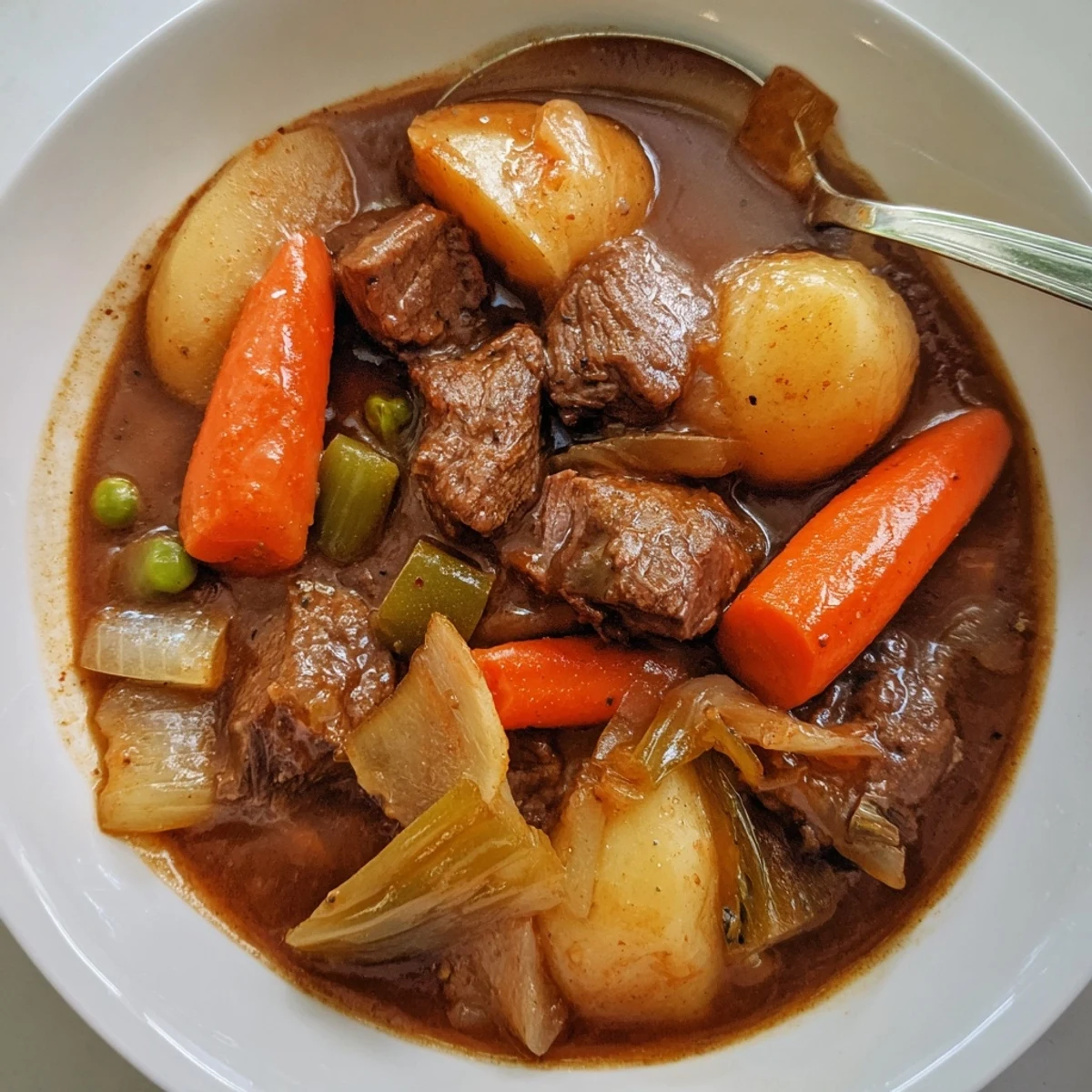
Save I have made this stew for friends who claimed they did not like stew, and they went back for seconds without saying a word.
Serving Suggestions That Actually Work
Crusty bread is the obvious and correct choice here because you need something to soak up every drop of that broth. Over buttered noodles is the move if you want something more filling, and a simple green salad on the side keeps the whole meal from feeling too heavy.
Making It Ahead Changes Everything
This stew is one of those rare dishes that genuinely tastes better the next day because the flavors continue to deepen and settle as it sits in the fridge overnight. Cool it completely before refrigerating, then gently reheat it on the stove over low heat, adding a splash of stock if it has thickened too much.
A Few Things I Learned The Hard Way
After making this stew more times than I can count, a handful of small lessons have stuck with me through the years.
- A splash of Worcestershire sauce stirred in at the end adds a savory depth that surprises people every time.
- If you skip the wine entirely, replace it with extra stock and a dash of balsamic vinegar for similar depth.
- Always taste and adjust the salt at the very end because the broth concentrates as it reduces.
 Save
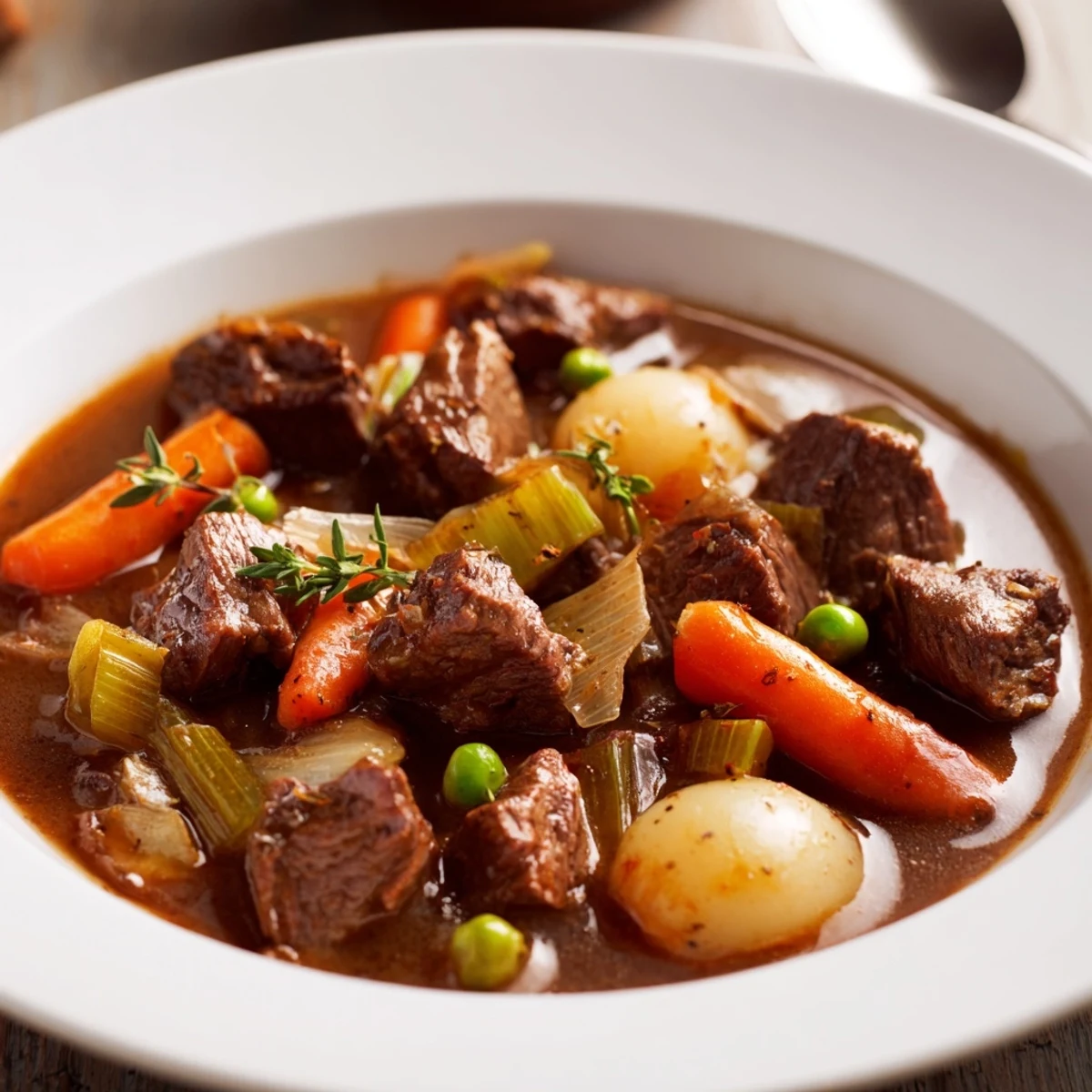
Save Some recipes are just dinner, but this one is the reason people wander into the kitchen asking when it will be ready. Make a big pot, share it freely, and do not be surprised when someone asks for the recipe.
Your Recipe Questions Answered
- → What cut of beef works best?
-
Choose well-marbled chuck or braising cuts; their connective tissue breaks down during long simmering to yield tender, flavorful meat.
- → How do I get a deep brown crust on the beef?
-
Pat pieces dry, season, and brown in batches over medium-high heat without crowding the pot. Remove browned pieces and deglaze the pan to capture fond for extra flavor.
- → Can I omit the wine?
-
Yes. Replace wine with extra beef stock or a splash of vinegar for brightness. Wine adds acidity and depth, but stock plus a touch of Worcestershire or balsamic will also build savory layers.
- → How do I thicken the stew and keep it gluten-free?
-
Use cornstarch slurry (1–2 tbsp mixed with cold water) added near the end and simmer until thickened. Alternatively, mash a few cooked potatoes into the broth for natural body.
- → What’s the best way to store and reheat leftovers?
-
Cool completely, refrigerate up to 3–4 days or freeze up to 3 months. Reheat gently over low heat, adding a splash of stock or water if needed to loosen the sauce.
- → Can I shorten cooking time with different equipment?
-
Use a pressure cooker to cut simmering time significantly—follow safe pressure guidelines and natural release for tender results. Slow cookers work too; braise on low for 6–8 hours for similar tenderness.