
 Save
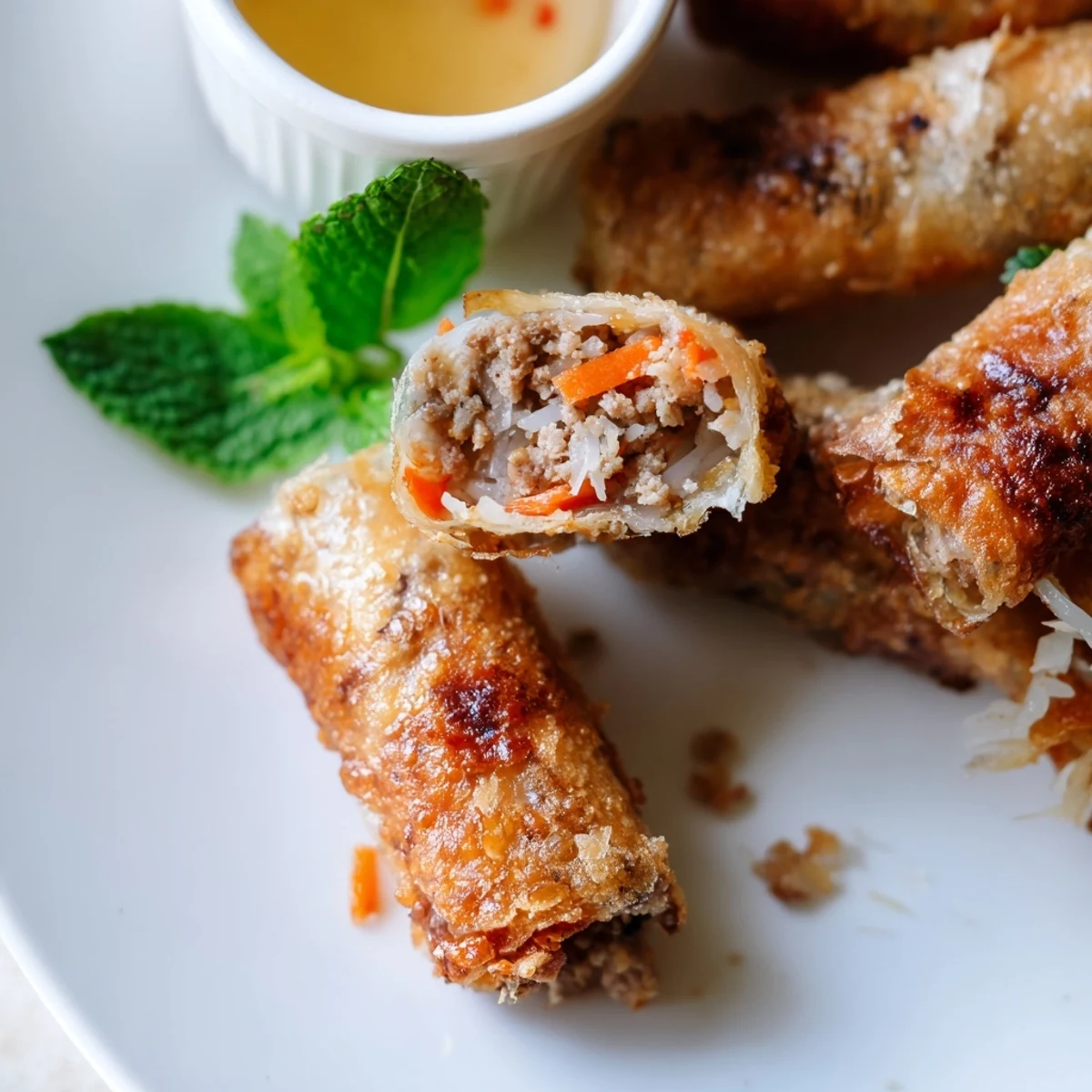
Save Create these beloved Vietnamese appetizers featuring a savory filling of ground pork and shrimp combined with vermicelli noodles, grated vegetables, and aromatic aromatics. Each roll is wrapped in delicate rice paper and deep-fried until perfectly golden and crispy. The result delivers satisfying crunch with every bite, while the fresh herbs and tangy Nuoc Cham dipping sauce provide bright, refreshing contrast to the rich, savory filling.
The smell of frying spring rolls takes me back to my aunt's cramped kitchen in Saigon, where she'd somehow roll fifty of these in the time it took me to finish five. I remember watching her hands move like practiced magic, tucking and folding until each one looked identical. Now whenever I make Chả Giò, I'm transported back to that steamy afternoon, rice paper sticking to my forearms, laughter bubbling up from the stove. These golden bundles became my gateway to Vietnamese cooking, and honestly, there's no going back.
Last Tet, I decided to impress my new in-laws by making these from scratch instead of buying frozen ones from the Asian market. My mother-in-law watched skeptically as I set up my wrapping station, rice paper wrappers stacked like a paper fortress. When that first batch hit the oil and the whole house filled with that unmistakable fragrance, her skepticism melted away faster than the vermicelli in hot broth. Now every family gathering demands these rolls, and I've learned to make double batches.
Ingredients
- Ground pork: The fat content keeps the filling moist and juicy, so avoid extra lean mixtures
- Raw shrimp: Chopping them by hand gives you better texture control than a food processor
- Dried vermicelli noodles: Soak them in warm water until pliable, about 15 minutes, then chop into short lengths
- Carrot and taro: These provide sweetness and a slight crunch that balances the rich pork
- Wood ear mushrooms: Their earthy flavor and unique texture are non-negotiable for authentic taste
- Rice paper sheets: Look for banh trang labeled around 16cm, larger ones make restaurant-sized rolls
- Vegetable oil: Neutral oils work best, save your sesame oil for drizzling afterward
Instructions
- Mix the filling:
- Combine all filling ingredients in a large bowl, mixing thoroughly with your hands until everything is evenly distributed and the mixture feels sticky and cohesive
- Soften the rice paper:
- Dip each sheet briefly in warm water, literally 2 to 3 seconds, then lay it on a damp towel while you work
- Roll like a pro:
- Place filling on the lower third, fold the bottom up over it, tuck in the sides tightly, then roll forward while keeping gentle tension
- Heat the oil:
- Bring your oil to 170°C, or test by dropping in a small piece of rice paper which should immediately bubble and rise
- Fry to golden perfection:
- Cook in batches of 4 to 5 rolls for 5 to 7 minutes, turning occasionally until they're evenly golden and sound hollow when tapped
- Set up for serving:
- Arrange lettuce, herbs, and Nuoc Cham in separate bowls so everyone can customize their own fresh wraps
 Save
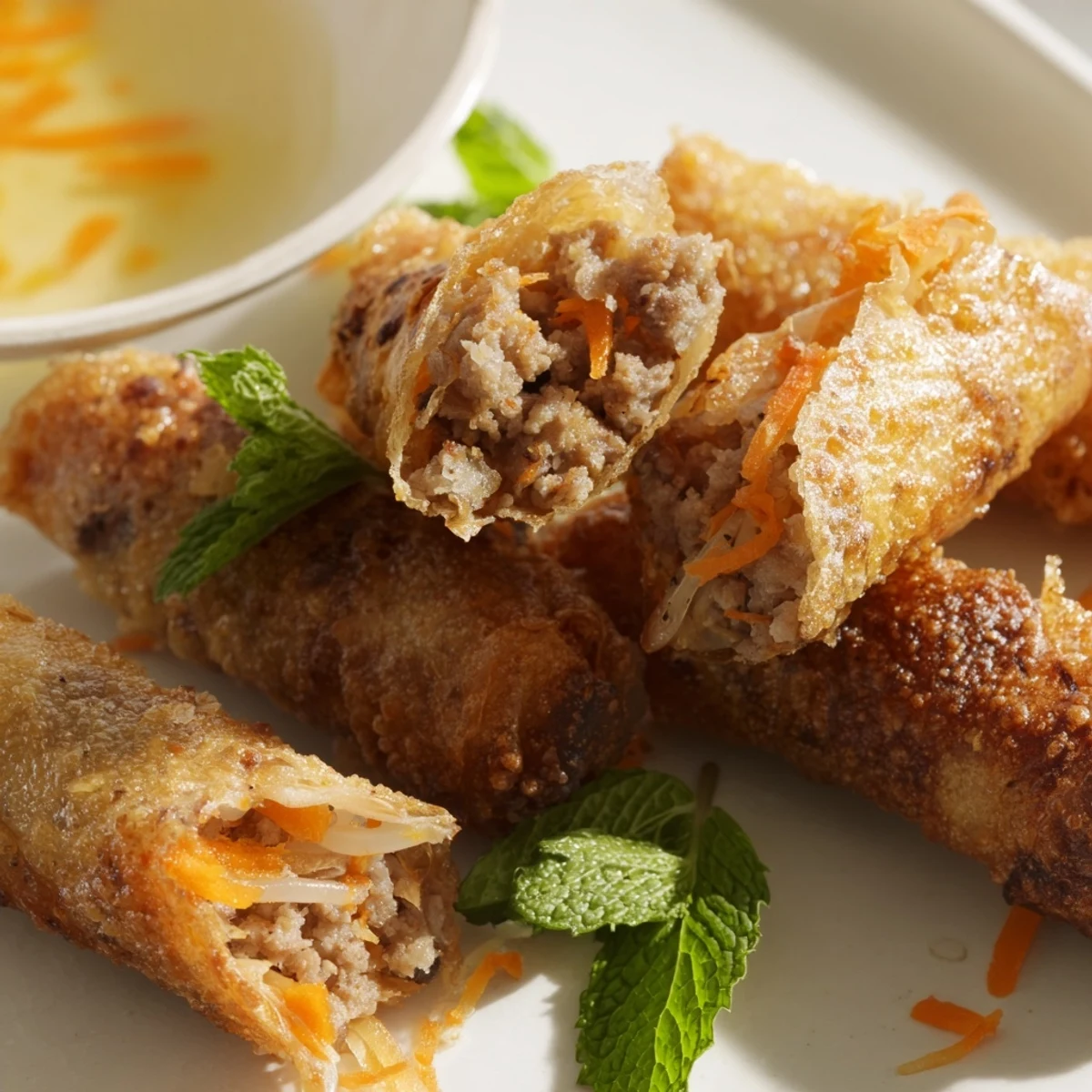
Save There's something deeply satisfying about hearing that first crackle when you bite into a freshly fried spring roll. My friend Minh once told me that in Vietnamese households, the quality of your Chả Giò is a subtle measure of how much care you put into feeding others. I've come to believe he's right, these little rolls carry so much more than just pork and shrimp.
The Art of Tight Rolling
A loosely rolled spring roll will bubble and burst in hot oil, sending filling everywhere and creating an oily mess. Keep your rolls snug but not tight enough to tear the wrapper, and place them seam-side down on your cutting board while you finish the batch. If you're new to wrapping, accept that your first few will look homely, they'll still taste delicious.
Oil Temperature Secrets
Too cold and your rolls will absorb oil like a sponge, too hot and they'll burn before the filling cooks through. I keep a thermometer clipped to my wok now after ruining too many batches by guessing. If you don't have one, look for steady bubbles that aren't violently raging when you add the rolls.
Make-Ahead Mastery
You can freeze uncooked spring rolls for up to a month, layering them between parchment paper so they don't stick together. Fry them frozen, adding an extra minute or two to the cooking time, and nobody will know they weren't made fresh.
- Place a clean damp towel over your waiting uncooked rolls to prevent drying
- Never stack fried rolls directly on top of each other while cooling
- Leftovers reheat surprisingly well in a 200°C oven for about 5 minutes
 Save
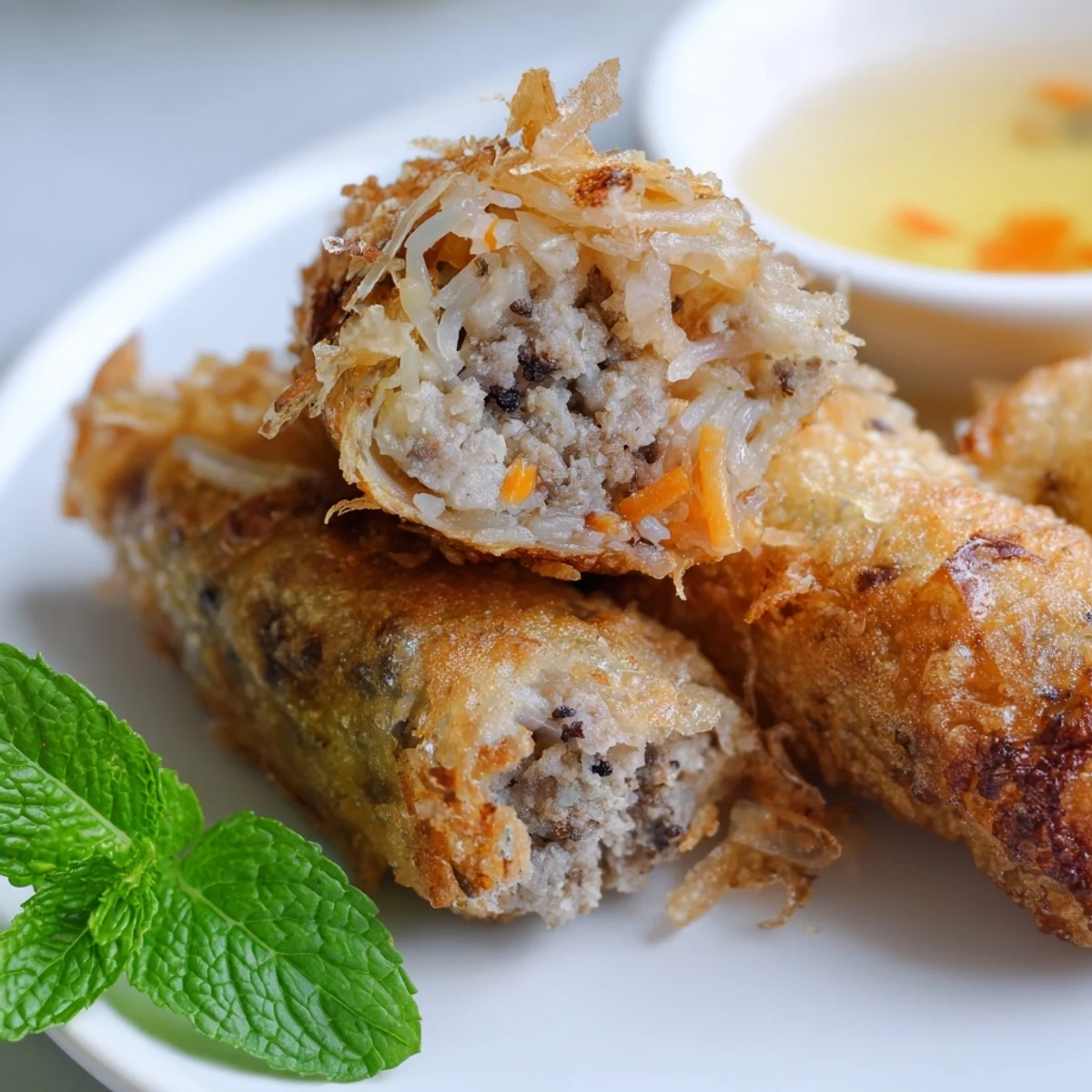
Save Whether you're making these for a party or just a Tuesday dinner, I hope these spring rolls bring as much joy to your table as they've brought to mine over the years.
Your Recipe Questions Answered
- → What makes Cha Gio different from other spring rolls?
-
Cha Gio uses rice paper wrappers instead of wheat-based wrappers, creating a distinctively delicate and crispy texture. The filling combines ground pork and shrimp with glass noodles and grated vegetables for a balanced flavor profile.
- → How do I prevent rice paper from tearing during wrapping?
-
Dip rice paper in warm water for just 3 seconds until slightly pliable but not completely soft. Work on a damp towel and fill rolls immediately while the wrapper still has some structure. Over-softening causes tearing.
- → Can I make these ahead of time?
-
Yes, assemble uncooked rolls and freeze them in single layers separated by parchment paper for up to 1 month. Fry directly from frozen, adding 1-2 minutes to cooking time. Already fried rolls reheat well in a 350°F oven.
- → What's the secret to extra crispy rolls?
-
Double-frying creates maximum crispiness. Fry once until golden, let cool for 5 minutes, then fry again for 1-2 minutes before serving. Also ensure oil temperature stays at 340°F—too cool makes them greasy, too hot burns the wrapper.
- → What should I serve with these spring rolls?
-
Traditionally serve with fresh lettuce leaves, mint, Thai basil, and cilantro for wrapping. Dip into homemade Nuoc Cham sauce made from fish sauce, lime juice, sugar, garlic, and chili. This combination of hot, crispy rolls with cool herbs creates the perfect balance.