
 Save
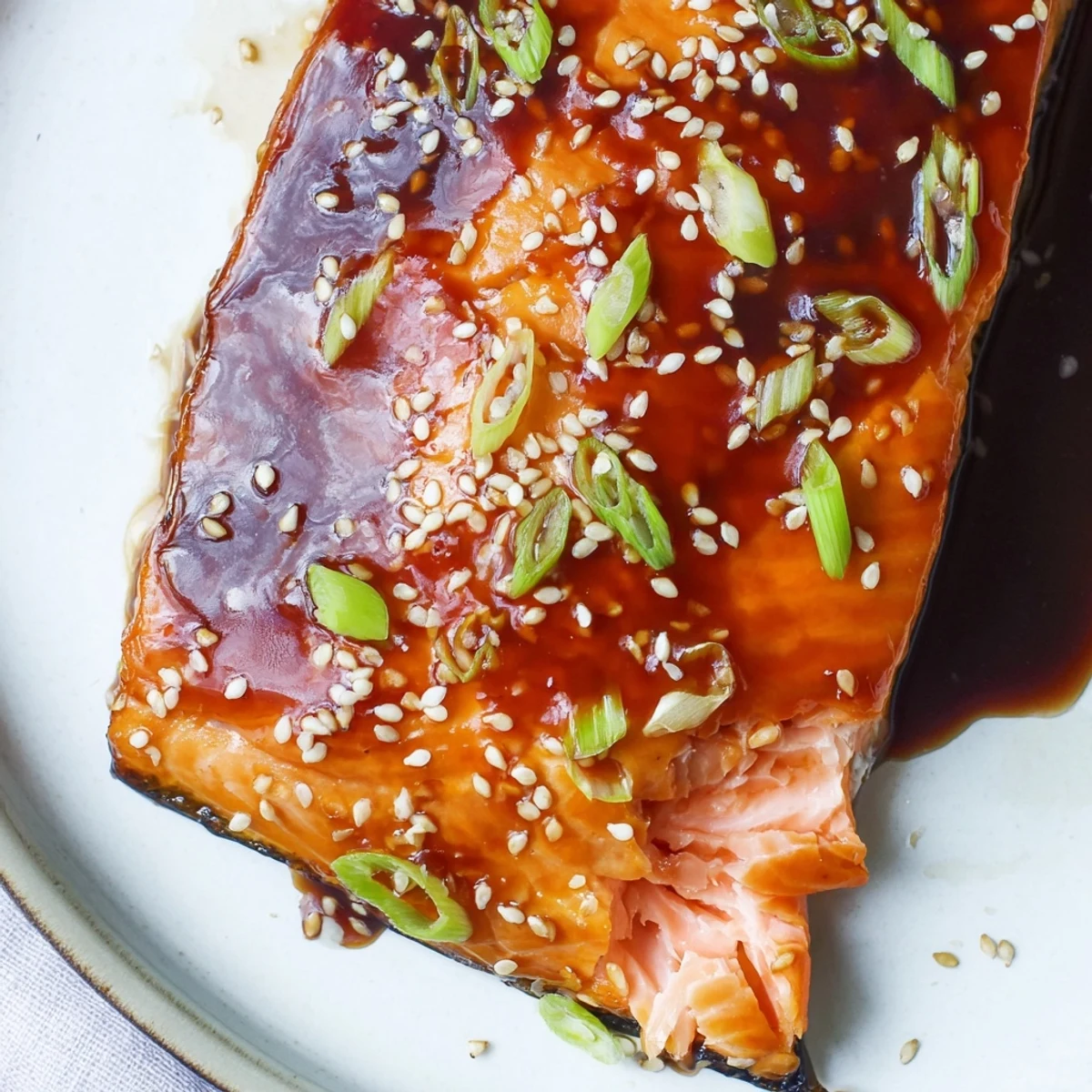
Save This gluten-free teriyaki salmon pairs succulent oven-baked fillets with a luscious homemade glaze made from tamari, maple syrup, rice vinegar, and sesame oil. The sauce thickens on the stovetop in minutes before being brushed generously over the fish.
After just 12 to 15 minutes in the oven, the salmon emerges caramelized and flaky, finished with a scatter of toasted sesame seeds and sliced green onions. Serve it alongside steamed rice or sautéed vegetables for a complete weeknight dinner.
The entire dish comes together in 25 minutes, uses pantry-friendly ingredients, and fits naturally into gluten-free diets without sacrificing any of the classic teriyaki flavor.
The sizzle of salmon hitting a hot baking sheet is one of those sounds that instantly makes a kitchen feel alive, and on a rainy Tuesday evening when takeout felt too heavy, I threw together a teriyaki glaze with whatever bottles lingered in my fridge door. That haphazard dinner turned out so deeply savory and glossy that my partner actually paused mid bite and asked what changed. Nothing changed, really, except I swapped regular soy sauce for tamari and realized the gluten free version tasted even better. Twenty five minutes later we were scraping the pan for every last drop of sauce.
I have served this to friends who claim they do not cook fish at home, and every single one of them has texted me the next week asking for the glaze ratios. There is something about the combination of maple syrup caramelizing in the oven alongside ginger and garlic that makes the whole apartment smell like a restaurant you wish you had a reservation at. One friend now makes it weekly for her meal prep and swears it reheats beautifully, which honestly surprised me.
Ingredients
- 4 salmon fillets, about 150 g each: Skin on gives you a crispy bottom layer that contrasts beautifully with the soft flesh, but skin off works if that texture bothers you.
- 60 ml gluten free tamari: This is your umami backbone, and tamari has a silkier depth than regular soy sauce so do not skip it.
- 2 tbsp pure maple syrup or honey: Maple syrup adds a gentle earthy sweetness, while honey leans floral, so choose based on your mood.
- 2 tbsp rice vinegar: A bright hit of acid that keeps the glaze from cloying and balances the richness of the salmon beautifully.
- 1 tbsp sesame oil: Just a tablespoon transforms the entire sauce with a nutty warmth that smells like your favorite takeout spot.
- 2 cloves garlic, minced: Fresh garlic only, because the pre minced jarred version loses its sharp sweetness and you will notice.
- 1 tsp fresh ginger, grated: Grate it directly into the saucepan with a microplane for the finest texture and the most aromatic punch.
- 1 tbsp cornstarch mixed with 2 tbsp cold water: This slurry is the magic trick that turns a thin liquid into a glossy, spoon coating glaze in under two minutes.
- 1 tbsp toasted sesame seeds: Scatter these on top for a delicate crunch that makes every bite feel finished and intentional.
- 2 green onions, thinly sliced: Their mild bite cuts through the sweetness and adds a flash of color that photographs almost as well as it tastes.
- Lemon wedges, optional: A quick squeeze at the table brightens everything and makes the flavors pop one final time.
Instructions
- Get the oven hot and ready:
- Preheat your oven to 200 degrees Celsius, or 400 degrees Fahrenheit, and line a baking sheet with parchment paper so cleanup is effortless later.
- Build the teriyaki sauce:
- In a small saucepan over medium heat, stir together the tamari, maple syrup, rice vinegar, sesame oil, minced garlic, and grated ginger until it begins to simmer gently and your kitchen smells incredible.
- Thicken to a glossy glaze:
- Pour in the cornstarch slurry while whisking constantly and cook for one to two minutes until the sauce coats the back of a spoon like warm honey, then pull it off the heat immediately.
- Glaze the salmon generously:
- Lay the fillets on your prepared baking sheet and brush every surface with a thick layer of the teriyaki sauce, saving a little extra for finishing.
- Bake until just perfect:
- Slide the tray into the oven for twelve to fifteen minutes until the salmon turns opaque and flakes apart easily with a fork, hitting broil for the final two minutes if you want those gorgeous caramelized edges.
- Finish and serve with flair:
- Drizzle the reserved sauce over each fillet, scatter sesame seeds and sliced green onions across the top, and offer lemon wedges on the side for anyone who wants a bright final squeeze.
 Save
Save There was a Saturday when I made this for my mother, who has avoided soy sauce for years because of a gluten sensitivity she never really explained. She took one bite, closed her eyes, and said quietly that it tasted like something she thought she had given up.
What to Serve Alongside
Steamed jasmine rice soaks up the extra glaze like a sponge and turns every grain into something worth savoring on its own. Sautéed bok choy or a simple cucumber salad with rice vinegar provides a crisp, cooling contrast that keeps the plate from feeling too rich.
Getting the Texture Right
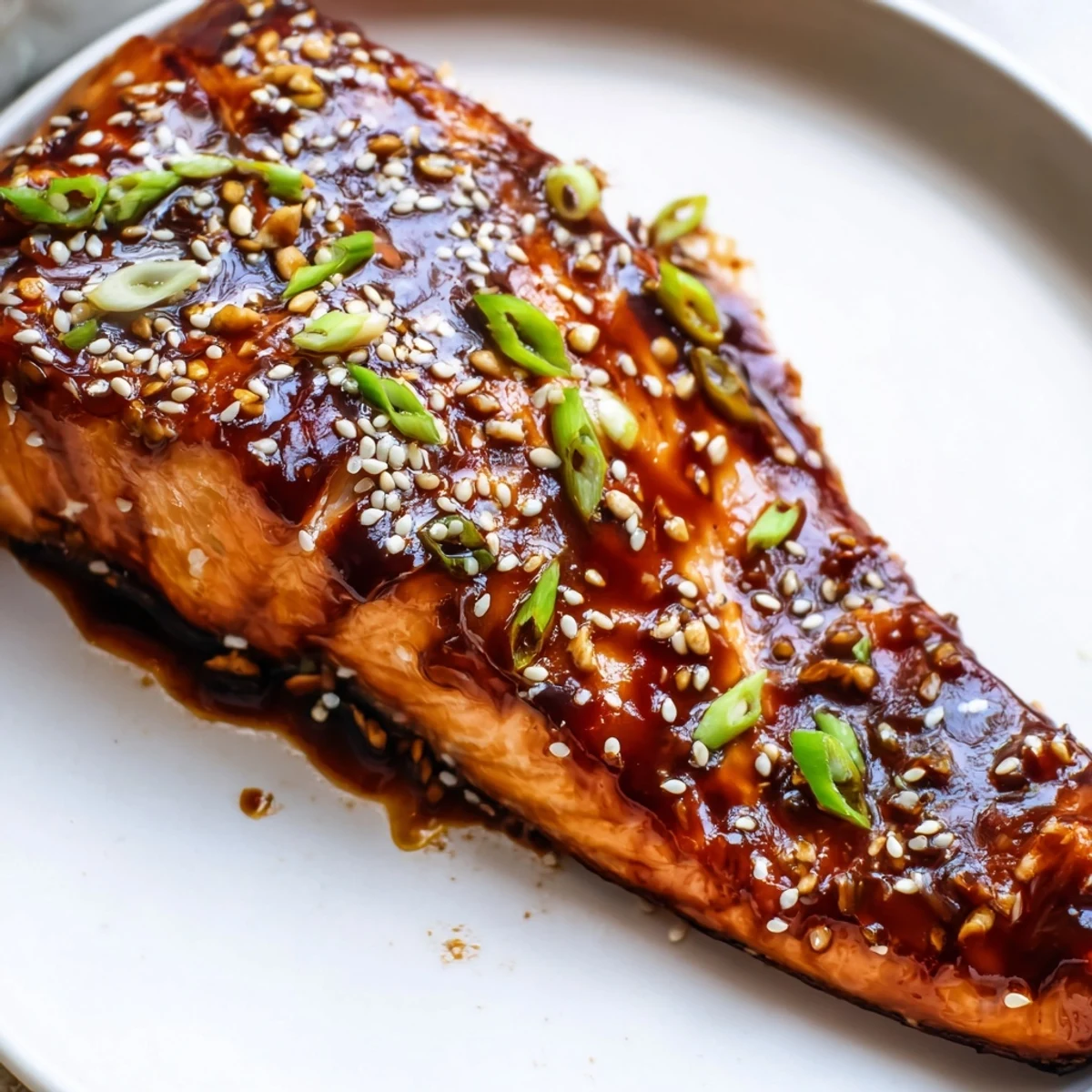
The broiler is your secret weapon here, and those last two minutes of direct heat create a tacky, slightly charred surface that makes the glaze taste like it came off a grill. Watch it closely though, because the line between beautifully caramelized and bitterly burnt is surprisingly thin and unforgiving.
Storing and Reheating
Leftovers keep well in the fridge for up to two days, though the salmon is best gently reheated in a low oven rather than the microwave, which can make the texture rubbery and sad.
- Store the extra glaze separately in a jar and drizzle it over rice bowls or roasted vegetables the next day.
- Flake cold leftover salmon over a green salad with a sesame dressing for a lunch that feels intentional instead of desperate.
- Always check your tamari bottle for a certified gluten free label, because cross contamination in processing is more common than you might think.
 Save
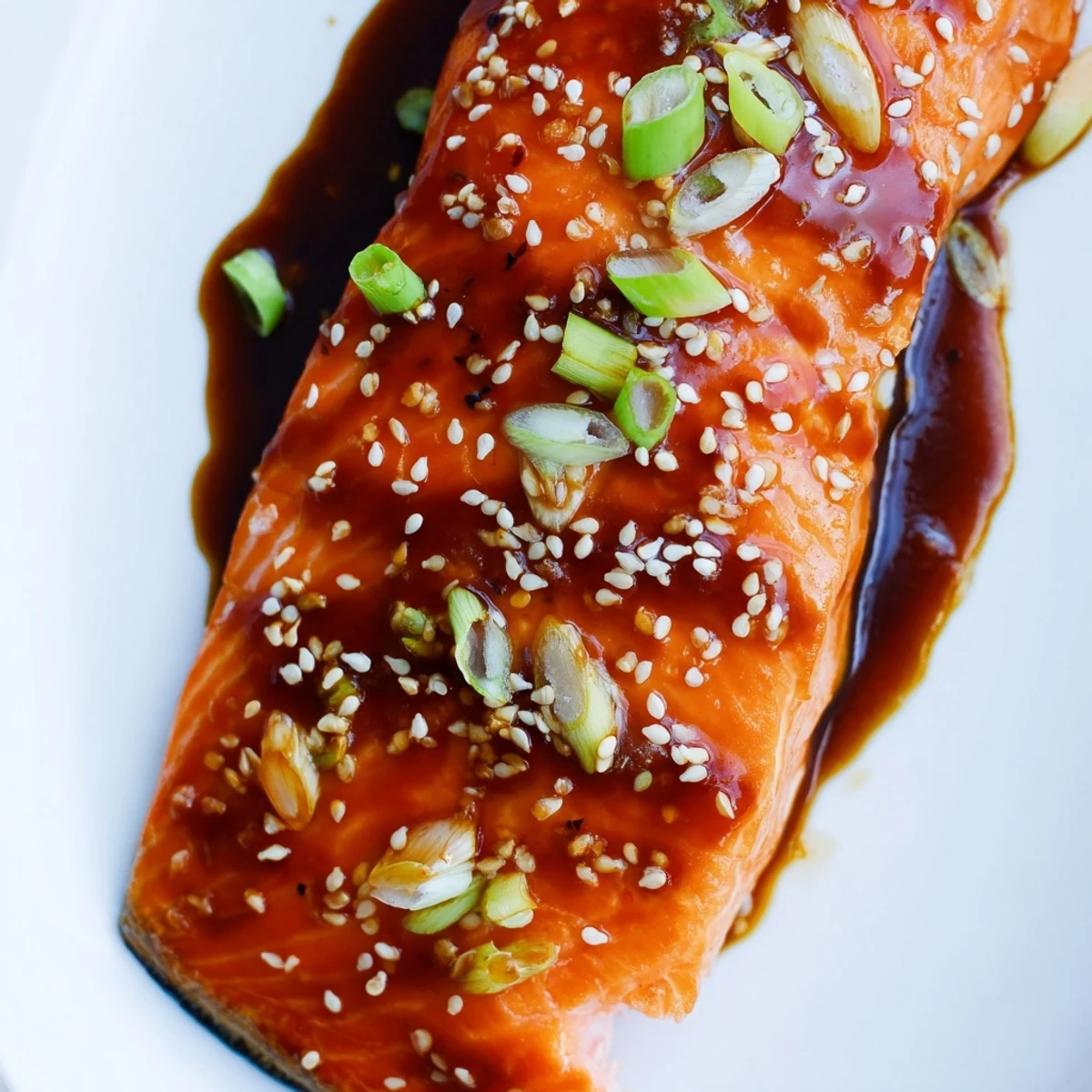
Save This is the kind of recipe that reminds you how little effort it takes to eat really well at home, and once you memorize the sauce ratio, you will find yourself pouring it over chicken thighs, tofu, and roasted broccoli without even thinking about it.
Your Recipe Questions Answered
- → Can I use regular soy sauce instead of tamari?
-
You can, but the dish will no longer be gluten-free. Tamari is a gluten-free alternative to traditional soy sauce that delivers a very similar umami depth. If gluten is not a concern for you, regular soy sauce works perfectly fine in the glaze.
- → How do I know when the salmon is fully cooked?
-
The salmon is done when it turns opaque throughout and flakes easily when gently pressed with a fork. An instant-read thermometer inserted into the thickest part should register 63°C (145°F). Avoid overcooking, as the fish will continue to cook slightly from residual heat after removing it from the oven.
- → Can I marinate the salmon before baking?
-
Yes, marinating the fillets in half the teriyaki sauce for about 30 minutes before baking adds deeper flavor penetration. Reserve the remaining sauce for brushing during baking and drizzling at the end. Avoid marinating longer than an hour, as the acidity in the rice vinegar can start to break down the delicate fish texture.
- → What sides pair well with teriyaki salmon?
-
Steamed jasmine or brown rice is a natural companion that soaks up the extra glaze. Sautéed bok choy, steamed broccoli, or a simple cucumber salad with sesame dressing also complement the rich umami flavors. For a lighter option, try serving it over a bed of mixed greens with a ginger vinaigrette.
- → Can I pan-sear the salmon instead of baking it?
-
Absolutely. Sear the fillets skin-side down in an oven-safe skillet over medium-high heat for about 3 minutes, then flip and cook another 2 to 3 minutes. Brush with the teriyaki glaze during the last minute of cooking. This method produces a crispier exterior while keeping the interior moist and tender.
- → How should I store and reheat leftovers?
-
Store leftover salmon in an airtight container in the refrigerator for up to 2 days. To reheat, place the fillets in a 160°C (325°F) oven for about 8 to 10 minutes until warmed through. Avoid microwaving, as it can dry out the fish and alter the texture of the glaze. Leftover salmon also works well cold, flaked over a rice bowl or salad.