
 Save
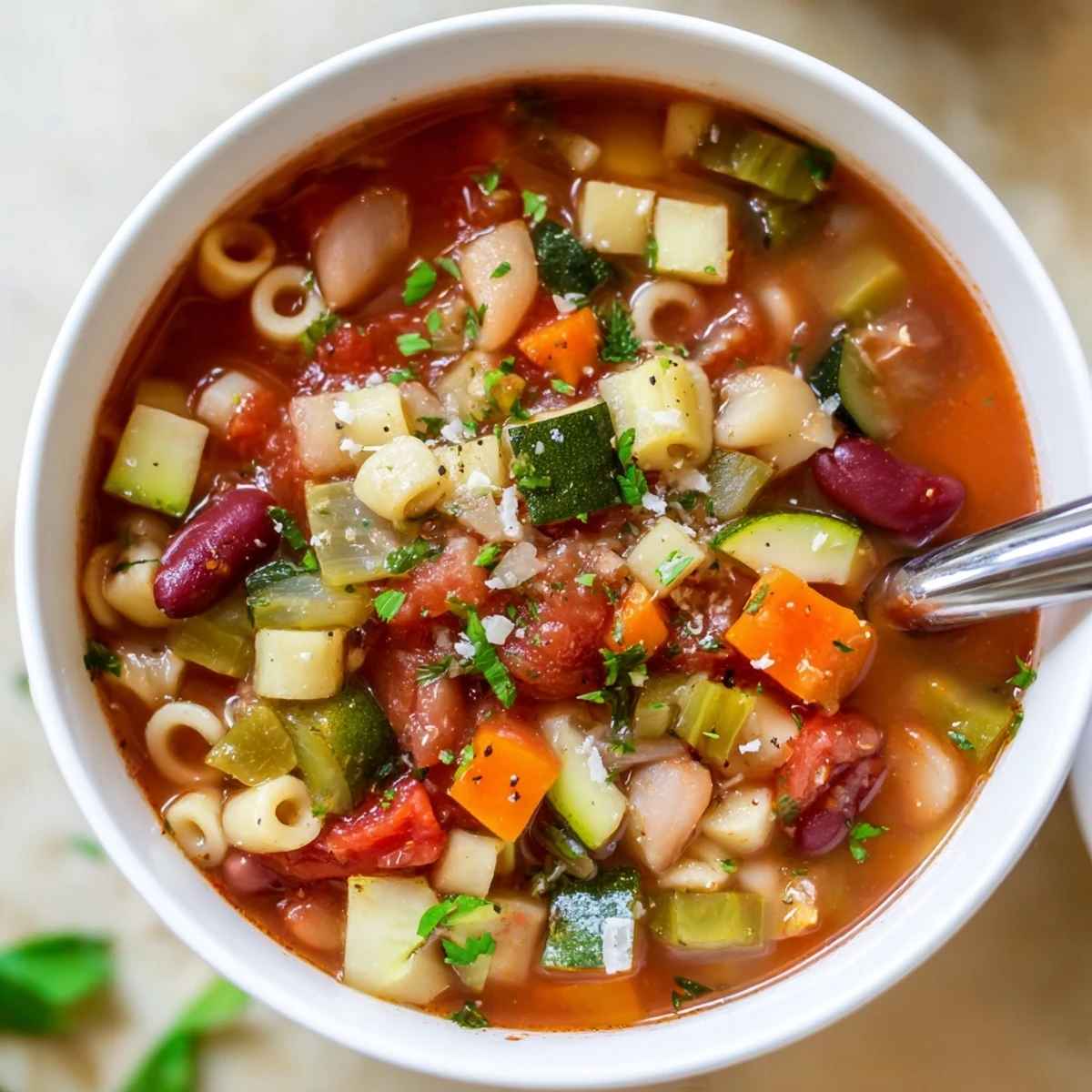
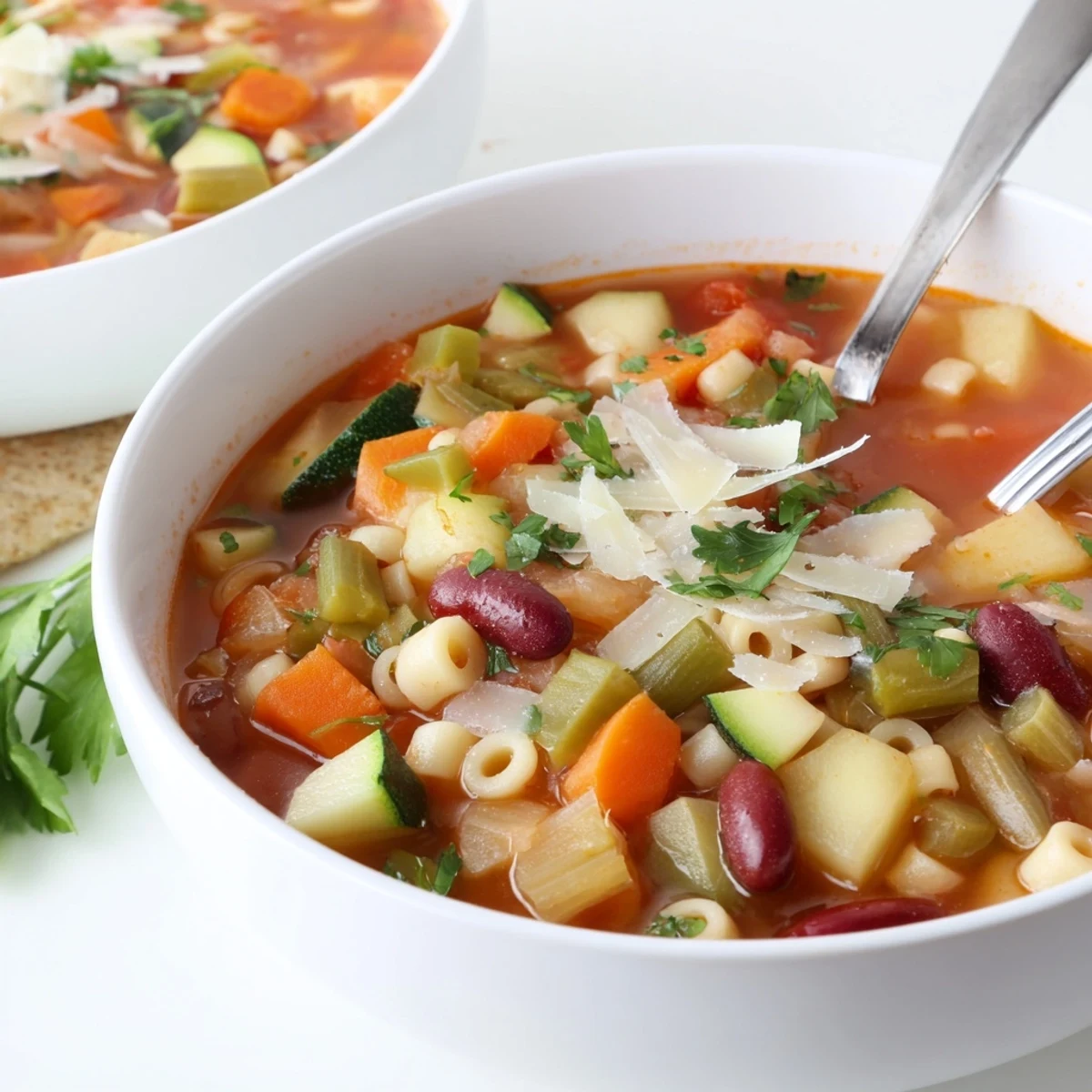
Save This hearty Italian minestrone blends diced tomatoes, cannellini and kidney beans, small pasta and a mix of seasonal vegetables in a savory tomato broth. Start by sautéing onion, carrots and celery, add garlic, zucchini and potato, then simmer with broth and herbs. Stir pasta in near the end so it stays tender. Serves six; leftovers deepen in flavor and freeze well.
The rain hammered against my kitchen window one October evening, and I craved something that would make the whole apartment smell like my grandmothers house in Bologna. Minestrone was her answer to everything: a bad cold, a broken heart, a Tuesday. I stood there with a cutting board full of vegetables and no real plan, but the soup practically built itself, one handful of diced carrots at a time.
My friend Marco stopped by unexpectedly that night with a bottle of wine and zero expectations. He ladled himself a second bowl before even taking off his coat, and we sat on the kitchen floor eating soup straight from the pot because the dining table was covered in mail.
Ingredients
- Olive oil, onion, carrots, celery, and garlic: This is your soffritto base, and patience with it determines the depth of flavor in every spoonful.
- Zucchini, potato, and green beans: Fresh seasonal vegetables give the soup its hearty, rustic character and satisfying texture.
- Canned diced tomatoes: They provide a subtle acidity that balances the earthiness of the beans and broth beautifully.
- Vegetable broth: A good quality broth makes all the difference, so taste yours before committing to it.
- Cannellini and red kidney beans: Rinsing canned beans well removes the starchy liquid and keeps your broth clean and clear.
- Small pasta (ditalini or elbow): Tiny shapes tuck into every spoonful, making each bite feel complete and intentional.
- Dried oregano, basil, and a bay leaf: These humble dried herbs infuse the broth with a gentle Italian warmth throughout cooking.
- Salt, pepper, fresh parsley, and Parmesan: Finishing touches that bring brightness and a savory edge right before serving.
Instructions
- Build the foundation:
- Heat olive oil in a large pot over medium heat and sauté the diced onion, carrots, and celery for about 5 minutes until everything softens and your kitchen smells impossibly inviting.
- Add the heartier vegetables:
- Stir in the minced garlic, diced zucchini, and potato, cooking for another 3 minutes while stirring occasionally so nothing sticks.
- Bring in the tomatoes and green beans:
- Add the chopped green beans and canned diced tomatoes with all their juices, stirring everything together so the colors mingle warmly.
- Pour in the broth and beans:
- Add the vegetable broth, both cans of rinsed beans, dried oregano, basil, bay leaf, salt, and pepper, then bring the whole pot to a rolling boil.
- Simmer and develop flavor:
- Reduce the heat to low and let the soup simmer gently for 15 minutes, giving it an occasional stir and enjoying the aroma filling your home.
- Cook the pasta right in the soup:
- Add the small pasta directly to the pot and cook for about 10 more minutes until both the pasta and vegetables are tender.
- Finish and serve:
- Fish out the bay leaf, taste the broth, and adjust salt and pepper as needed before ladling into bowls topped with fresh parsley and grated Parmesan.
 Save
Save That night on the kitchen floor with Marco turned into a ritual. Every few weeks now he shows up with wine, and I show up with soup, and somehow that is enough.
What to Swap and When
Minestrone is forgiving by nature, which means you can rotate vegetables based on what looks good at the market or what needs using up. Spinach stirred in at the end wilts beautifully, shredded cabbage adds wonderful body, and a handful of frozen peas brings a pop of sweetness.
Tools That Actually Help
A heavy bottomed soup pot distributes heat evenly and prevents the vegetables from scorching during the long simmer. Beyond that, a sharp knife, a sturdy wooden spoon, and a ladle are genuinely all you need to pull this together without any fuss.
Storage and Leftover Wisdom
This soup keeps beautifully in the refrigerator for up to four days, and the flavor genuinely improves as it sits. For freezing, I recommend leaving the pasta out and adding it fresh when you reheat, otherwise it turns mushy and sad.
- Let the soup cool completely before transferring to storage containers to prevent condensation.
- Freeze in individual portions for easy lunches that taste like you spent all day cooking.
- Always taste and reseason after reheating because cold mutes flavors more than you expect.
 Save
Save Some recipes feed you, and some recipes remind you why cooking matters in the first place. This minestrone does both, one warm bowl at a time.
Your Recipe Questions Answered
- → Can I make this vegan?
-
Yes. Omit the grated Parmesan or use a plant-based alternative and use vegetable broth to keep the dish fully plant-based.
- → How do I make it gluten-free?
-
Swap the small pasta for a certified gluten-free variety or use rice or quinoa for a naturally gluten-free option.
- → Which pasta works best here?
-
Small shapes like ditalini, elbow macaroni or small shells are ideal; they tuck into the broth and hold their shape without overpowering the vegetables.
- → How can I thicken the broth?
-
Simmering longer concentrates the broth. For extra body, mash a few beans against the pot side and stir back in, or add a small grated potato to release starches.
- → What are good vegetable swaps?
-
Use seasonal produce such as spinach, kale, cabbage, or diced squash. Add quick-cooking greens near the end to avoid overcooking.
- → How should I store and reheat leftovers?
-
Cool and refrigerate for up to 4 days or freeze portions. Reheat gently on the stove; add a splash of broth if the pasta has absorbed too much liquid.