
 Save
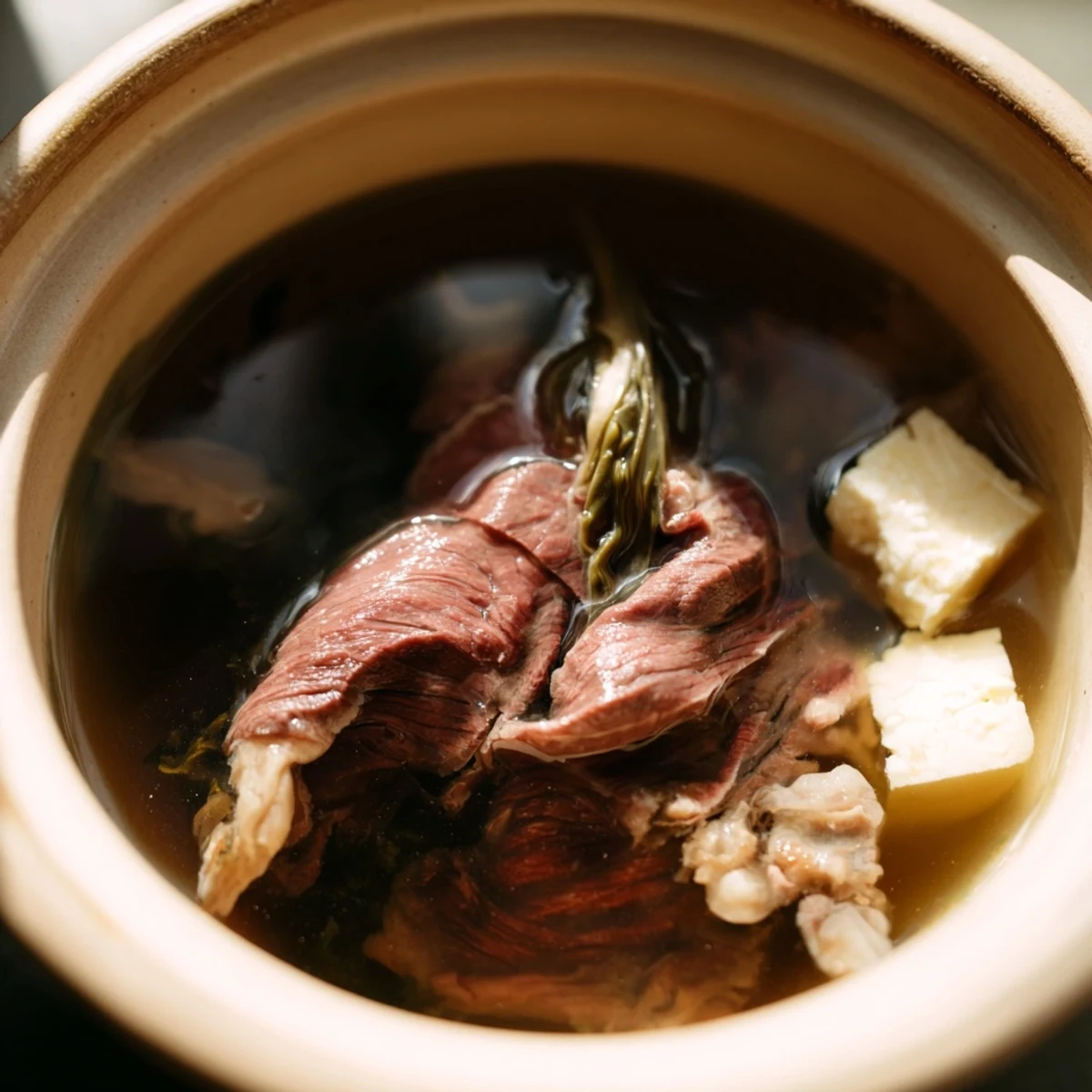
Save Experience the interactive dining tradition of shabu shabu, where thinly sliced beef and pork are swished in simmering dashi broth alongside crisp vegetables, tofu, and mushrooms. Each perfectly cooked piece gets dipped in tangy ponzu or creamy sesame sauce before enjoying. The meal concludes with udon noodles absorbing the rich, flavorful broth. This communal Japanese dining experience brings people together around the table, making it perfect for gatherings and special occasions.
My first shabu shabu experience was at a tiny Tokyo restaurant where the owner demonstrated the swishing motion with such theatrical flair that I spent the entire meal trying to match his energy. The broth stayed at a perfect gentle simmer, and somewhere between the third slice of beef and discovering how much better tofu tastes after soaking up that dashi, I understood why this dish brings people together. Now whenever the weather turns chilly, I set up the portable burner and watch my friends lean in, chopsticks ready, as the steam rises between us.
Last winter, my neighbor joined us for shabu shabu and confessed she had been intimidated by hot pot dining for years. Within minutes of watching her first beef slice transform from red to pink in the bubbling dashi, she was arranging platters like a pro. The beauty of this dish is how it teaches people to trust their instincts, to cook exactly what they want, exactly how they like it, all while gathered around one steaming pot.
Ingredients
- Dashi stock: The foundation of everything that follows, so use quality dashi or a good low-sodium chicken broth if you are substituting.
- Kombu: This dried kelp adds subtle umami depth, but remember to remove it before the broth reaches a full boil to prevent bitterness.
- Thinly sliced beef: Look for beef sirloin or ribeye sliced paper-thin at your Asian market, or freeze the meat for 20 minutes and slice it yourself.
- Chinese cabbage: This becomes sweet and tender in the broth, so do not be shy about loading up your platter.
- Spinach: Fresh spinach wilts beautifully in seconds, making it perfect for quick dipping between longer-cooking ingredients.
- Carrot: Thin slices are essential here, as thick pieces take too long to cook for a swish-and-dine pace.
- Shiitake mushrooms: Remove those woody stems so only the meaty caps hit your broth.
- Enoki mushrooms: These delicate clusters cook almost instantly and add wonderful texture variety.
- Leek: Diagonal slices look elegant on the platter and mellow beautifully in the dashi.
- Tofu: Firm cubes hold their shape better during cooking, but silken absorbs more of that delicious broth flavor.
- Udon noodles: Pre-cooked noodles make the final course effortless, just a quick warm-through in the enriched broth.
- Ponzu sauce: The bright citrus notes cut through the rich meat and create a perfect flavor balance.
- Sesame sauce: Creamy and nutty, this pairs exceptionally well with the beef and vegetables.
- Green onions: Fresh garnish adds a sharp bite that wakes up the palate between bites.
- Toast sesame seeds: Sprinkle these over everything for a warm nutty finish that elevates each dip.
Instructions
- Set up your broth base:
- Place the kombu gently in your dashi stock and heat it slowly, watching carefully for those first bubbles, then remove the kelp right before it reaches a rolling boil to keep the flavor sweet not bitter.
- Arrange your feast:
- Organize the meat, vegetables, tofu, and noodles on large platters with attention to color and texture, because when everything looks beautiful, people are more eager to dig in.
- Bring everyone to the table:
- Set up your portable burner where everyone can reach, position the simmering broth at the center, and make sure each person has their own small dipping bowls ready.
- Master the swish:
- Gently swish each piece of meat or vegetable in the hot broth using chopsticks, trusting your eyes and touch more than a timer, until they are just cooked through.
- Dip and enjoy:
- Transfer each freshly cooked piece immediately into either the ponzu for brightness or the sesame sauce for richness, then savor it while still steaming hot.
- Finish with noodles:
- When everyone has had their fill of the main ingredients, add the udon noodles to the now deeply flavored broth and let them simmer for a few minutes to absorb all those accumulated tastes.
- Garnish and serve:
- Sprinkle the noodles and remaining broth generously with sliced green onions and toasted sesame seeds for a final aromatic touch.
 Save
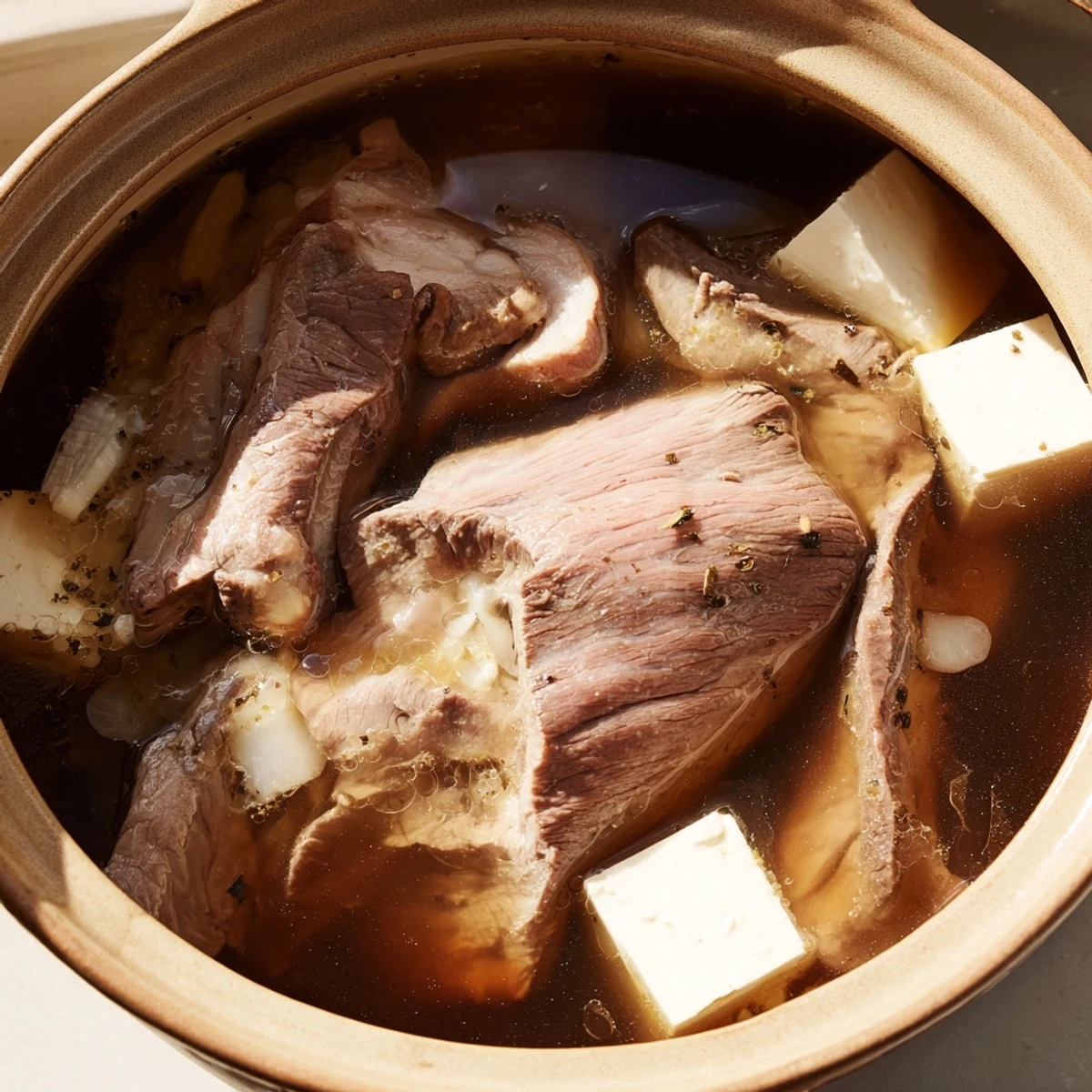
Save Something magical happens when people cook together around one pot. The barriers come down, conversations flow more naturally, and suddenly the meal becomes about connection as much as sustenance. That final bowl of udon noodles, steeped in hours of communal cooking, always tastes like friendship.
Setting Up Your Hot Pot Station
Clear your table completely before bringing out the portable burner, because you will need more space than you think for all those platters and dipping bowls. I learned this the hard way when I had to balance ingredients on precarious stacks of cookbooks. Give everyone their own small plate for cooked items, and make sure the heat source is stable and cords are safely tucked away before you start.
Customizing Your Ingredients
The beauty of shabu shabu lies in its flexibility, so do not hesitate to swap in whatever looks fresh at your market. Chrysanthemum leaves add a wonderful bitterness that balances rich meats, while daikon rounds absorb broth like little flavor sponges. I have discovered that thinly sliced chicken works beautifully if someone prefers poultry, and shrimp cook so quickly they are perfect for impatient diners who want immediate gratification.
Perfecting Your Broth Game
After years of making this dish, I have realized that the broth improves with every ingredient that passes through it. By the time you reach the noodle course, that dashi has transformed into something infinitely complex and deeply satisfying. The trick is tasting it periodically throughout the meal and adjusting gently if needed.
- Keep a ladle handy for skimming any foam that rises to the surface, which keeps the broth clean and clear
- Add a splash more dashi or water if the broth reduces too much, but avoid diluting those precious accumulated flavors
- Remember that the final noodle course depends entirely on how well you have maintained the broth throughout the meal
 Save
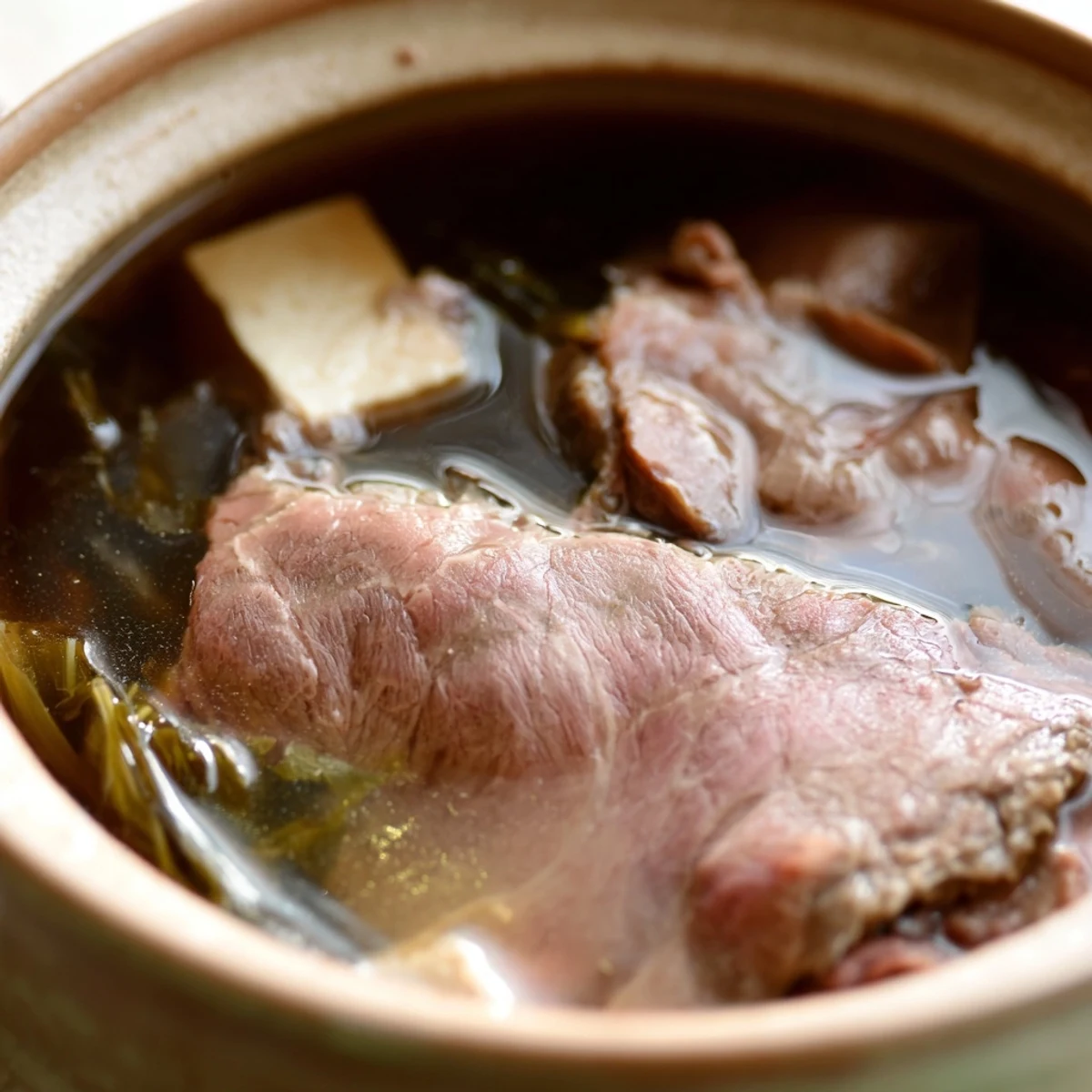
Save There is something profoundly satisfying about a meal that requires patience, presence, and participation from everyone at the table. Shabu shabu is not just dinner, it is an experience that lingers in memory long after the last noodle has been savored.
Your Recipe Questions Answered
- → What does shabu shabu mean?
-
Shabu shabu comes from the sound of swishing meat through the hot broth. The term describes the gentle motion used to cook thinly sliced meat, ensuring it stays tender and cooks quickly in the simmering dashi.
- → What type of meat works best for shabu shabu?
-
Thinly sliced beef sirloin or ribeye are traditional choices, cut paper-thin so they cook instantly. Pork loin, chicken, or seafood make excellent alternatives. The key is having slices thin enough to cook in seconds.
- → Can I make shabu shabu vegetarian?
-
Absolutely. Use kombu dashi instead of fish-based dashi stock, and load up on vegetables like cabbage, spinach, carrots, shiitake and enoki mushrooms, tofu, and udon noodles. The dipping sauces provide plenty of flavor.
- → What are the traditional dipping sauces?
-
Ponzu sauce offers a citrusy tang with soy notes, while goma dare (sesame sauce) brings rich, nutty creaminess. Most diners enjoy having both options available to complement different ingredients throughout the meal.
- → Do I need special equipment?
-
A portable burner or induction cooktop lets everyone cook at the table, which is part of the experience. A wide pot, chopsticks, and slotted ladles are essential. Large platters for arranging ingredients make the presentation beautiful and accessible.
- → What should I do with the leftover broth?
-
The remaining broth becomes incredibly flavorful after cooking all the ingredients. Add udon noodles at the end to soak up the essence, or save it for soup the next day. Some diners add rice to make ochazuke.