
 Save
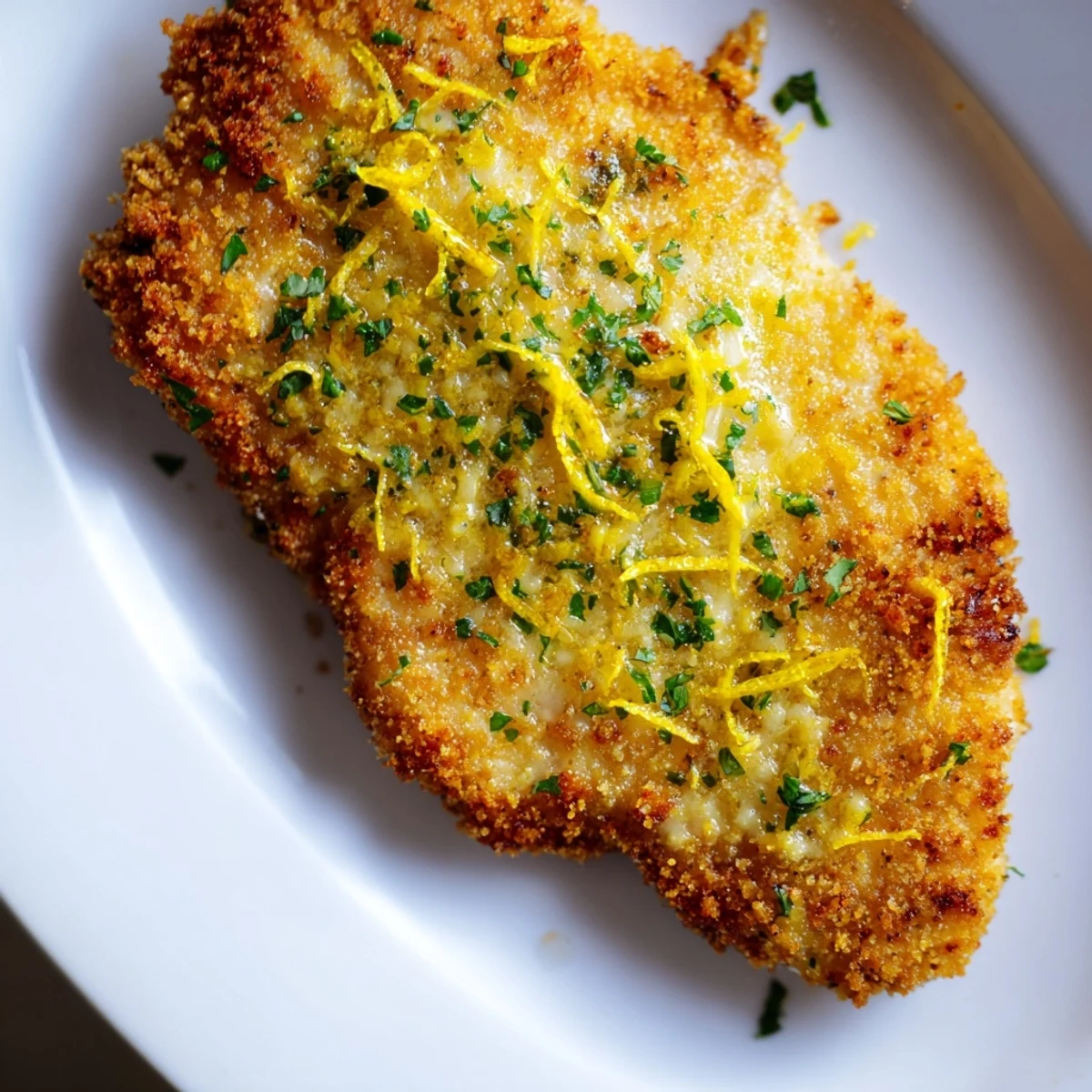
Save This classic Italian-American dish features tender chicken breasts pounded thin, coated in a flavorful mixture of Romano cheese, breadcrumbs, and bright lemon zest, then pan-fried to golden perfection. The quick pan sauce—made with butter, garlic, chicken broth, and fresh lemon juice—adds a bright, tangy finish that perfectly complements the rich, cheesy crust.
Ready in just 40 minutes, this elegant yet comforting main dish serves four beautifully. The combination of crispy exterior, juicy interior, and vibrant citrus notes makes it a family favorite that's impressive enough for company.
The sizzle of chicken hitting a hot pan on a rainy Tuesday evening is one of those small sounds that makes a kitchen feel alive, and this Lemon Chicken Romano has been my go-to when I want something golden and comforting without spending hours at the stove. The Romano cheese melts into the breading and creates a crust that snaps when you cut into it, while the lemon keeps everything bright enough that you never feel weighed down. It is the kind of dish that turns an ordinary weeknight into something you actually look forward to.
One evening my neighbor knocked on my door to return a borrowed casserole dish right as I was pulling the chicken from the skillet, and she ended up staying for dinner because the aroma drifting through the hallway was impossible to ignore. We sat at the kitchen counter with mismatched plates and a bottle of white wine, and she told me it was the best chicken she had eaten in years. I have made it for her birthday every spring since that night.
Ingredients
- Chicken and Marinade: Four boneless skinless chicken breasts, pounded to an even half inch thickness, absorb the lemon juice, salt, and pepper quickly so even a brief rest makes a noticeable difference.
- Flour: One cup of all-purpose flour creates the base layer that helps the egg wash stick properly to the meat.
- Eggs and Water: Two large eggs whisked with two tablespoons of water form the binding layer that holds the breadcrumb coating in place.
- Romano Cheese: One cup of grated Romano brings a sharp salty depth that distinguishes this from ordinary breaded chicken, so use the freshest block you can find and grate it yourself.
- Italian Breadcrumbs: One cup adds structure and herbs to the crust, and combining it with the cheese and lemon zest makes a coating that browns beautifully.
- Lemon Zest: The zest of one lemon perfumes the entire breading with a floral citrus note that pairs perfectly with the savory cheese.
- Olive Oil and Butter: Three tablespoons of olive oil and two tablespoons of unsalted butter give the chicken a rich golden fry without making it greasy.
- Garlic: Three cloves minced and sauteed in the pan after the chicken comes out build the foundation of the sauce.
- Chicken Broth and Lemon Juice: Three quarters of a cup of broth and two tablespoons of fresh lemon juice simmer into a light tangy sauce that pulls everything together.
- Fresh Parsley: Two tablespoons chopped parsley scattered over the top at the end add a pop of green color and a fresh herbal finish.
Instructions
- Pound and Season the Chicken:
- Place each breast between two sheets of plastic wrap and use a meat mallet to gently pound them to a uniform half inch thickness, then season both sides with lemon juice, salt, and pepper so every bite is flavorful.
- Set Up the Breading Station:
- Arrange three shallow bowls in a row with flour in the first, eggs whisked with water in the second, and the Romano, breadcrumbs, and lemon zest mixed together in the third for a smooth and efficient coating process.
- Coat Each Cutlet:
- Dredge every piece first in the flour shaking off excess, then dip it fully into the egg wash, and finally press it firmly into the Romano breadcrumb mixture so the coating adheres tightly on all sides.
- Pan Fry Until Golden:
- Heat the olive oil and one tablespoon of butter in a large skillet over medium heat, then cook the chicken in batches for about four to five minutes per side until the crust is deeply golden and the meat is cooked through, transferring finished pieces to a warm plate.
- Build the Sauce:
- Add the remaining tablespoon of butter and the minced garlic to the same skillet and saute just until fragrant, then pour in the chicken broth and lemon juice while scraping up every browned bit from the bottom of the pan, letting it simmer for two to three minutes until slightly reduced.
- Bring It All Together:
- Return the chicken to the pan and spoon the bubbling sauce over each piece so it soaks into the crust, then sprinkle generously with fresh parsley and serve right away while everything is hot and crisp.
 Save
Save There is something about the way this dish fills a kitchen with the smell of toasted cheese and lemon that makes everyone wander in to ask what is cooking, and it has a way of turning a simple dinner into a gathering without any extra effort.
Best Sides to Serve Alongside
A mound of buttered pasta with a little of the pan sauce drizzled on top is the most natural companion, but a bed of arugula dressed with olive oil and lemon works just as well when you want something lighter. Crusty bread is essential for soaking up every last bit of the sauce because letting it go to waste would be a genuine shame.
Making It Your Own
A splash of white wine added to the sauce alongside the broth gives it an extra layer of complexity that feels special enough for a dinner party. If you cannot find Romano, Parmesan works as a swap, though the flavor will be slightly milder and less tangy. A pinch of red pepper flakes in the breading adds a gentle heat that cuts through the richness of the cheese.
Getting Ahead and Storing Leftovers
You can pound and bread the chicken a few hours in advance and keep it on a tray in the refrigerator, which makes the actual cooking feel effortless when dinnertime arrives. Leftovers hold up surprisingly well reheated in a skillet over low heat, and the crust stays remarkably crisp if you avoid the microwave entirely.
- Let the breaded cutlets rest uncovered in the fridge so the coating dries slightly and adheres better during frying.
- Store any leftover sauce separately and reheat it in the pan before spooning it over the chicken again.
- Always taste the sauce for salt before serving because Romano cheese varies in salinity from brand to brand.
 Save
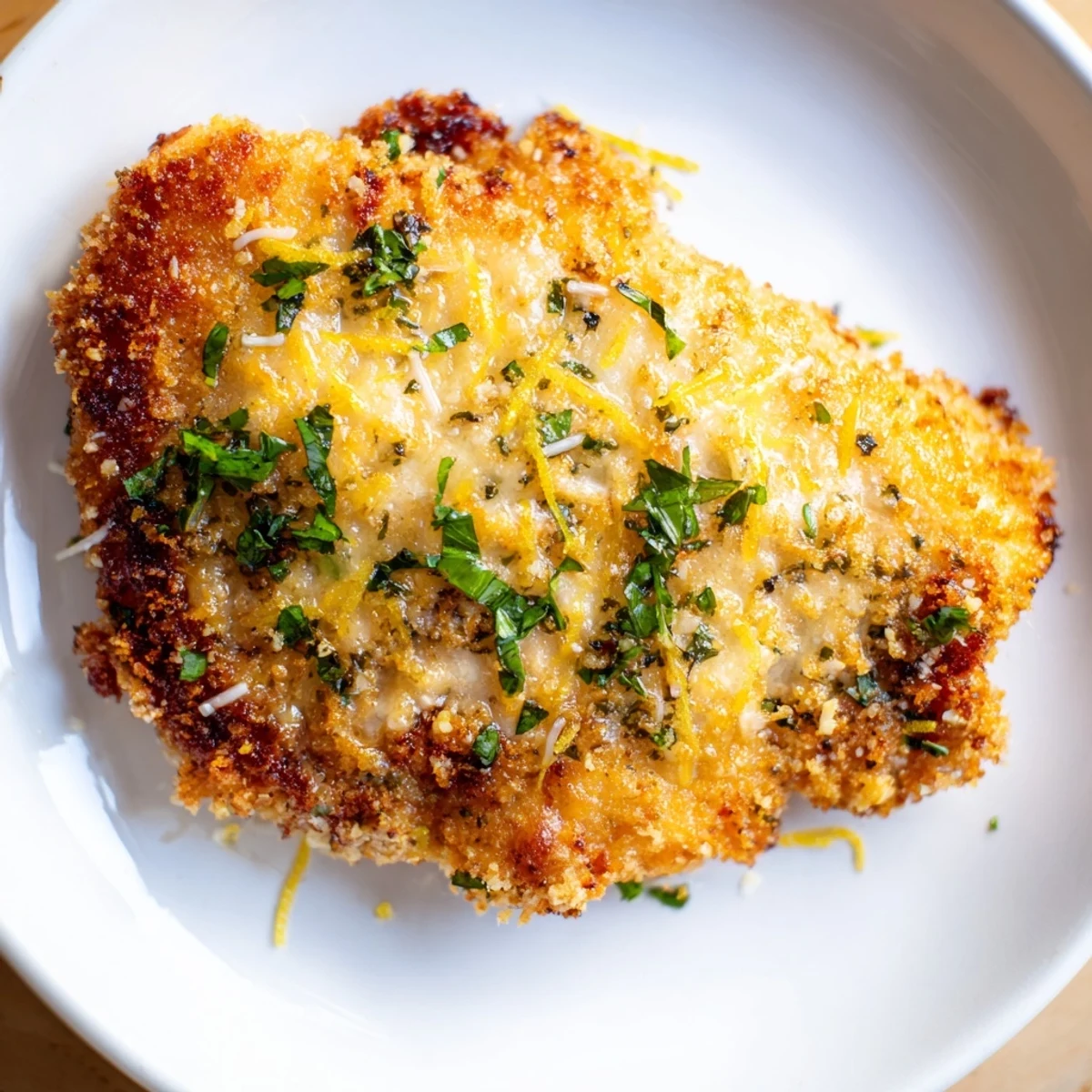
Save This is the dish I reach for when I want to fill my kitchen with warmth and share something genuinely satisfying with the people sitting at my table. Golden, lemony, and draped in that quick pan sauce, it never fails to disappear fast.
Your Recipe Questions Answered
- → What type of cheese works best for this dish?
-
Romano cheese provides a sharp, salty flavor that stands up beautifully to the bright lemon. Parmesan makes an excellent substitute if needed, offering a slightly milder taste while still delivering that classic Italian-American flavor profile.
- → Can I make this ahead of time?
-
While best served fresh, you can bread the chicken up to 4 hours ahead and refrigerate until ready to cook. For leftovers, store in an airtight container and reheat in a 350°F oven for 10-12 minutes to restore crispiness.
- → What sides pair well with Lemon Chicken Romano?
-
This dish shines alongside pasta like angel hair or linguine, roasted vegetables such as asparagus or broccolini, or a crisp green salad with vinaigrette. Garlic mashed potatoes or creamy polenta also make excellent accompaniments.
- → How do I know when the chicken is fully cooked?
-
The chicken should reach an internal temperature of 165°F at the thickest part. Visually, you'll notice golden-brown breading and juices running clear. The meat should feel firm but springy to the touch, not hard or mushy.
- → Can I use chicken thighs instead of breasts?
-
Absolutely. Boneless, skinless thighs work wonderfully and tend to be more forgiving due to their higher fat content. Pound to even thickness and adjust cooking time slightly—thighs may need an extra minute or two per side.
- → What's the purpose of pounding the chicken?
-
Pounding to even thickness ensures uniform cooking, prevents thin parts from drying out while thicker parts finish cooking, and creates more surface area for the flavorful breading. It also tenderizes the meat for a more enjoyable texture.