
 Save
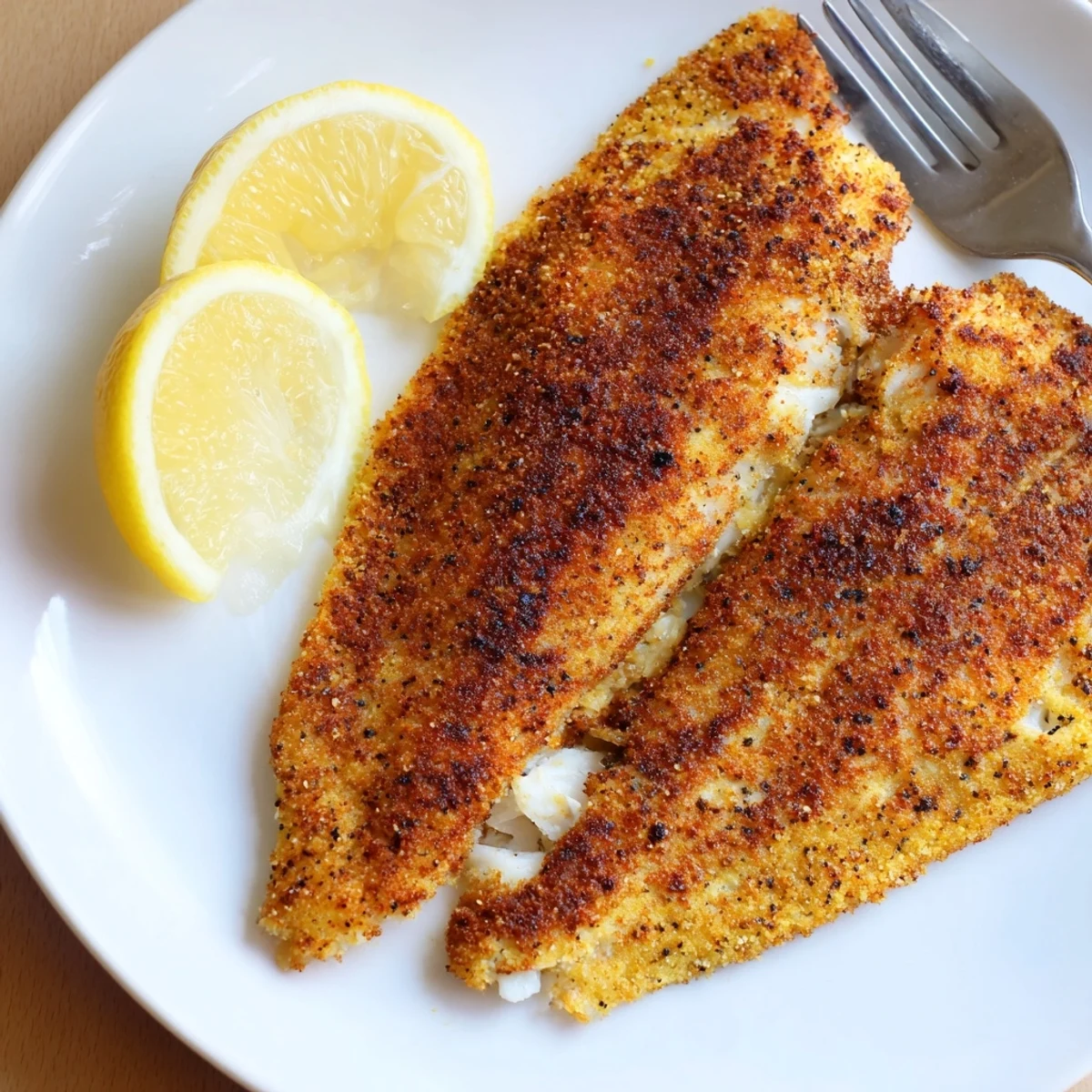
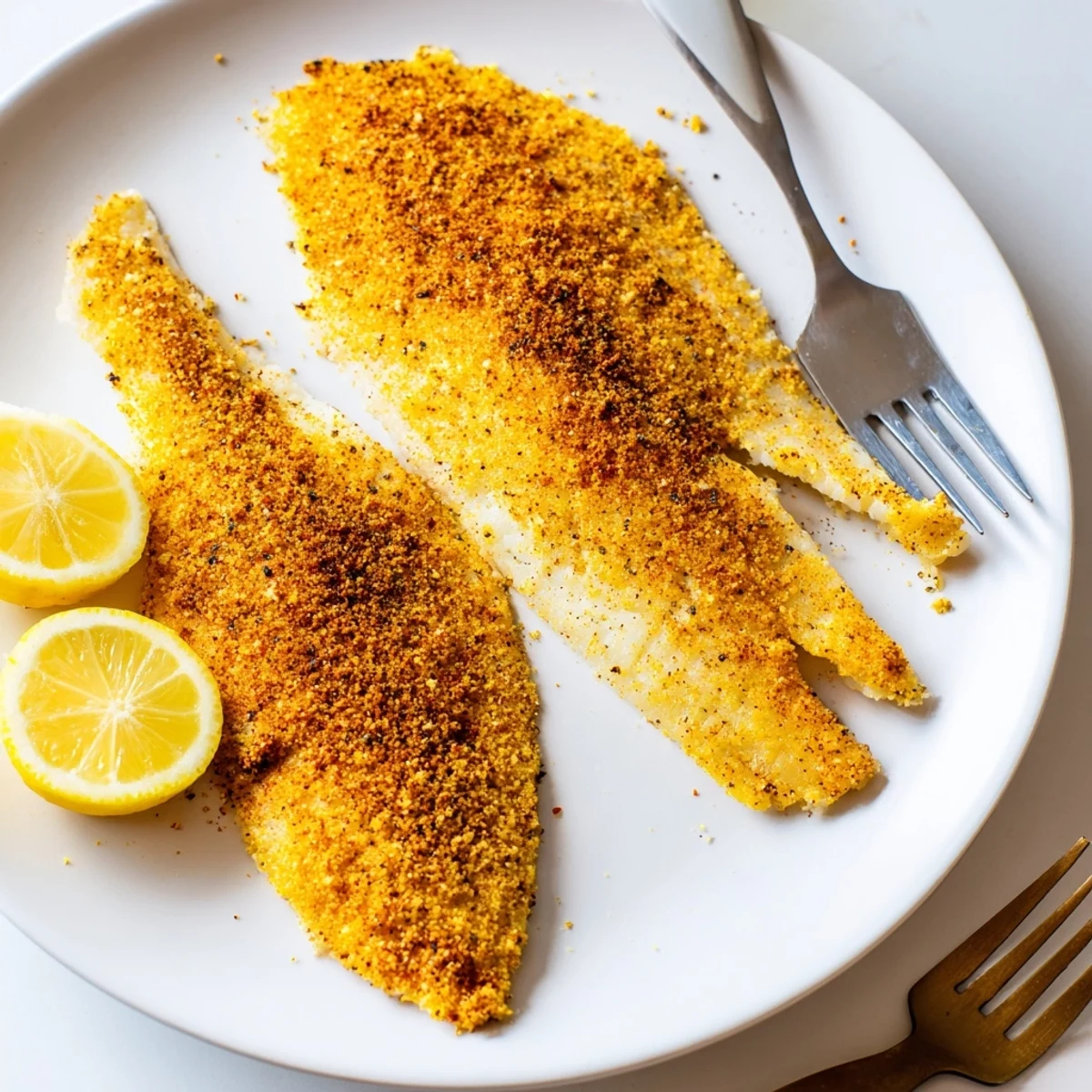
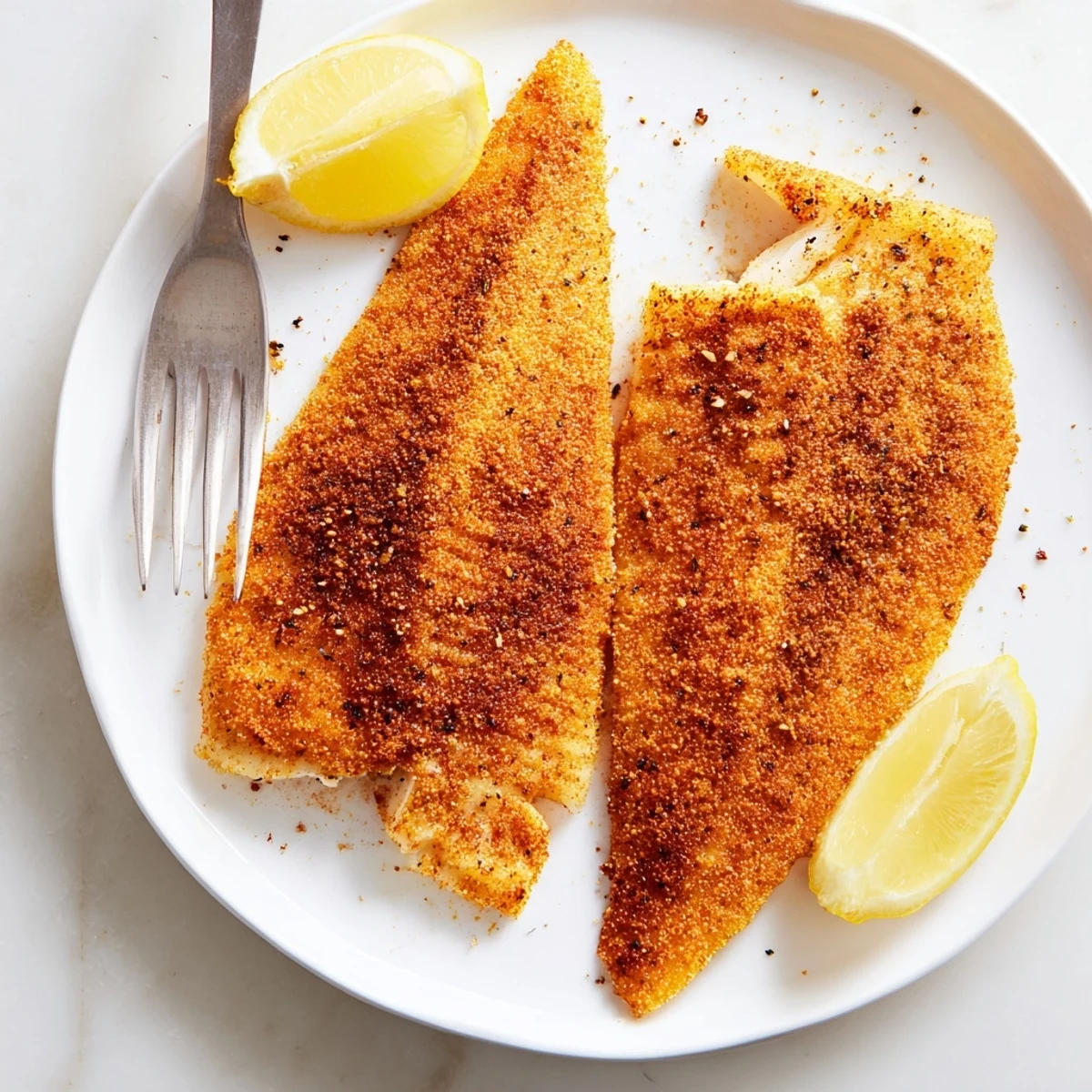
Save This pan-fried tilapia delivers perfectly golden, crispy fillets in just 20 minutes from start to finish. The fish is coated in a simple blend of paprika, garlic powder, onion powder, salt, and pepper, then seared in olive oil or butter until the outside is beautifully crisp and the inside remains tender and flaky.
An optional cornmeal dredge adds extra crunch for those who want an even more satisfying crust. Serve with fresh lemon wedges alongside steamed vegetables, a light salad, or rice for a complete meal.
The sizzle of fish hitting a hot skillet is one of those sounds that immediately pulls everyone into the kitchen, curious and hungry. My neighbor stopped by one Tuesday evening to return a borrowed ladder and ended up staying for dinner because the smell drifting through the open window was apparently impossible to ignore. Tilapia cooks so fast that by the time she poured herself a glass of wine, the first fillet was already golden and ready to plate. We stood around the kitchen counter eating straight from the pan, lemon wedges squeezed over everything, and it felt like the most effortless dinner party imaginable.
I started making this regularly after a friend who runs a seafood market swore that the secret to great pan fried fish was patience in the pan and a light hand with coating. The first few attempts I crowded the skillet and ended up steaming the fillets instead of frying them, which taught me to work in batches and give each piece room to breathe. Once I got that right, the crust turned shatteringly crisp and the inside stayed tender and flaky.
Ingredients
- 4 tilapia fillets (about 150g each): Pat them very dry with paper towels because moisture is the enemy of a good crust and wet fish will stick every time.
- 1 tsp salt: Fine sea salt distributes more evenly than coarse and helps season the fish all the way through.
- 1/2 tsp freshly ground black pepper: Freshly ground makes a noticeable difference here since the spice profile is simple and every component shows.
- 1/2 tsp paprika: This adds a subtle warmth and helps give the fillets that appetizing golden color.
- 1/4 tsp garlic powder: A gentle background note that rounds out the seasoning without overpowering the delicate fish.
- 1/4 tsp onion powder: Paired with the garlic powder, it creates a savory depth that makes people ask what your secret is.
- 1/4 cup cornmeal or gluten free flour: Totally optional, but even a light dusting transforms the texture into something special.
- 2 tbsp olive oil or unsalted butter: Butter gives richer flavor but olive oil handles higher heat better, so choose based on your preference.
- 1 lemon cut into wedges: A generous squeeze at the end brightens every single bite and balances the savory crust.
Instructions
- Mix Your Seasoning Blend:
- In a small bowl, combine the salt, pepper, paprika, garlic powder, and onion powder, stirring with your fingers until evenly blended. The aroma should already be warm and inviting.
- Season the Fillets:
- Sprinkle both sides of each tilapia fillet generously and evenly with the seasoning mix, pressing it gently so it adheres to the surface of the fish.
- Optional Light Coating:
- If you want extra crunch, lightly dredge each seasoned fillet in cornmeal or gluten free flour, then shake off any excess so the coating stays delicate and thin.
- Heat the Pan:
- Warm the olive oil or butter in a large nonstick skillet over medium high heat until the fat shimmers and you can feel the warmth hovering just above the surface.
- Fry Without Crowding:
- Lay the fillets in the skillet carefully, leaving space between each one so they fry rather than steam, working in batches if your pan cannot hold all four at once.
- Cook Until Golden:
- Let the first side cook undisturbed for 3 to 4 minutes until the edges turn golden and the fish releases naturally from the pan, then flip gently and cook another 2 to 3 minutes until the center is opaque and flakes easily with a fork.
- Serve With Lemon:
- Transfer the fillets to plates immediately and hand everyone a lemon wedge, because this fish is best the moment it leaves the pan.
 Save
Save That evening with my neighbor turned into a standing Tuesday tradition where she would bring wine and I would make fish, and somehow the simplicity of it never got old. Good food shared casually with good company is really all you need.
Choosing the Right Pan and Spatula
A nonstick skillet makes this recipe nearly foolproof, but if you are using stainless steel or cast iron, make sure the pan is fully preheated before the fish goes in. A thin fish spatula with a bit of flexibility will slide under the fillets without breaking them apart, which is worth investing in if you cook fish regularly. I learned this after mangling more than a few beautiful fillets with a thick burger flipper that had no business near delicate fish.
Adding Your Own Twist
The seasoning blend is a foundation you can build on depending on what you are craving. A pinch of cayenne pepper wakes everything up with gentle heat, and a sprinkle of dried oregano or thyme pushes the flavor profile toward something Mediterranean. Once you feel confident with the base recipe, start playing around and you will find combinations that become uniquely yours.
Serving Suggestions and Pairings
This tilapia is incredibly versatile and pairs beautifully with steamed vegetables, a bright side salad, or a pile of fluffy rice to soak up the lemony juices. A glass of Sauvignon Blanc or a dry Riesling alongside turns a weeknight dinner into something that feels just a little bit special without any extra effort.
- Keep leftover fillets in the fridge and break them into flakes over a salad the next day for lunch.
- If you cannot find tilapia, cod, catfish, or sole all work beautifully with this same method.
- Always double check ingredient labels for allergens, especially if cooking for guests with dietary restrictions.
 Save
Save Some of the best meals are the ones that take almost no planning and leave you with barely any dishes to wash. This tilapia is exactly that kind of dinner, simple, satisfying, and worth keeping in your back pocket forever.
Your Recipe Questions Answered
- → How do I know when tilapia is fully cooked?
-
Tilapia is done when it turns opaque throughout and flakes easily with a fork. The internal temperature should reach 145°F (63°C). Typically, each side needs about 3-4 minutes over medium-high heat.
- → Can I use frozen tilapia fillets?
-
Yes, but thaw them completely first and pat them very dry with paper towels. Excess moisture prevents a crispy crust from forming and can cause oil splatter during cooking.
- → What can I substitute for cornmeal in the coating?
-
Gluten-free flour, almond flour, or regular all-purpose flour all work well. For a low-carb option, almond flour is excellent. You can also skip the coating entirely and just use the seasoning blend.
- → Why does my tilapia stick to the pan?
-
Make sure the skillet and oil are fully heated before adding the fish. A properly preheated pan with enough oil or butter creates a natural non-stick surface. Also, resist the urge to flip too early — the fish will release naturally once a golden crust has formed.
- → What side dishes go well with pan-fried tilapia?
-
Steamed vegetables like asparagus or broccoli, a fresh garden salad, rice pilaf, roasted potatoes, or coleslaw all pair beautifully. A squeeze of fresh lemon over everything ties the meal together.
- → Can I use other types of fish with this method?
-
Absolutely. Cod, catfish, sole, mahi-mahi, or halibut all work with the same seasoning and cooking technique. Adjust cooking time based on the thickness of the fillets.