
 Save
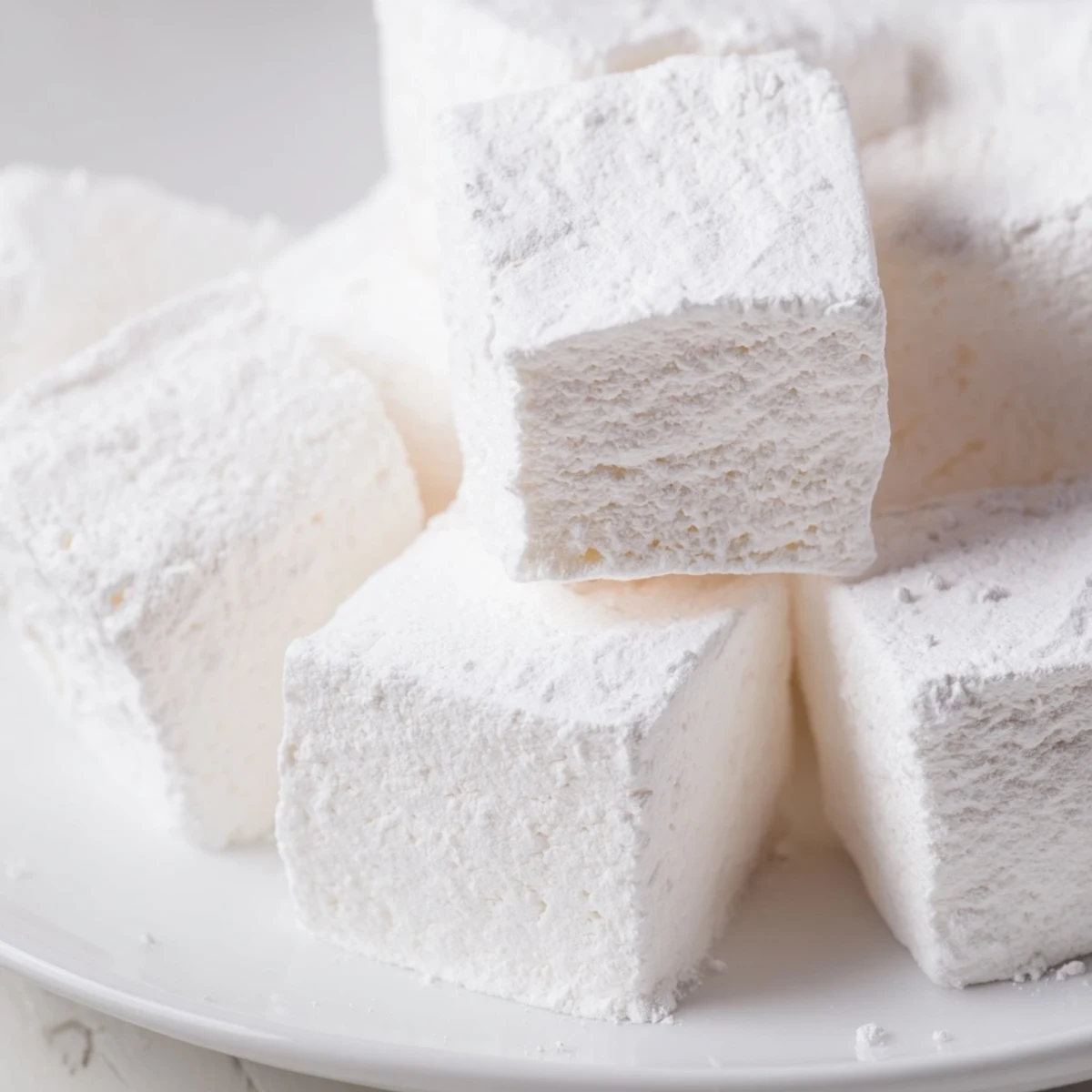
Save Create pillowy, melt-in-your-mouth marshmallows with this straightforward technique. The process involves blooming gelatin, cooking a sugar syrup to 240°F, and whipping the mixture until it triples in volume and becomes glossy. After setting for four hours or overnight, you'll have 36 perfect one-inch squares that are infinitely better than store-bought versions. Customize with different extracts or food coloring during the final mixing minute for variety.
The kitchen was quiet except for the steady hum of my stand mixer, that satisfying sound that means something magical is happening. I had always assumed marshmallows came from bags, until a snowy December afternoon when I decided to make them from scratch. Watching the glossy white fluff grow to three times its original size felt like kitchen alchemy, and that first warm square straight from the pan changed everything about how I thought about homemade candy.
My nephew still talks about the marshmallow raid during our holiday baking weekend. We stood at the counter with chocolate mugs, dropping in fresh squares and watching them disappear into steaming cocoa, laughing as sticky white mustaches appeared on both our faces. Sometimes the best moments arent about elaborate desserts but about simple ingredients transformed into something that makes people gather around the kitchen counter.
Ingredients
- Granulated sugar: The foundation of our syrup, providing structure and sweetness that holds the whole fluffy masterpiece together
- Light corn syrup: Prevents crystallization and keeps marshmallows tender and chewy rather than grainy or hard
- Unflavored gelatin: The essential protein that creates that signature marshmallow structure, blooming first in cold water to activate properly
- Pure vanilla extract: Added at the very end to preserve its aromatic compounds, giving depth to the sweetness
- Confectioners sugar and cornstarch: Our dusting mixture keeps everything from sticking to itself and prevents that dreaded marshmallow glue situation
Instructions
- Prepare your pan:
- Lightly grease a 9x9 inch pan and dust it with a mix of confectioners sugar and cornstarch, tapping out any excess. This coating is what lets you actually remove the marshmallows later instead of prying them out in sad sticky clumps.
- Bloom the gelatin:
- Combine gelatin with cold water in your stand mixer bowl and let it sit for about 5 minutes. It will absorb the water and become firm, which means its ready to transform that hot syrup into fluffy perfection.
- Cook the syrup:
- Combine sugar, corn syrup, water and salt in a saucepan over medium heat until dissolved, then bring to a boil without stirring until it reaches exactly 240°F. The temperature matters tremendously here, so use that candy thermometer and trust it completely.
- Combine and whip:
- With mixer on low, carefully pour hot syrup into bloomed gelatin, then gradually increase to high and whip for 10 to 12 minutes until thick and glossy. Add vanilla during that final minute so it incorporates without deflating all the air you just worked so hard to whip in.
- Set and rest:
- Quickly spread mixture into your prepared pan, dust the top with more sugar mixture, and let it sit uncovered for at least 4 hours or overnight. Patience is the hardest part, but cutting too early means messy edges and disappointment.
- Cut and coat:
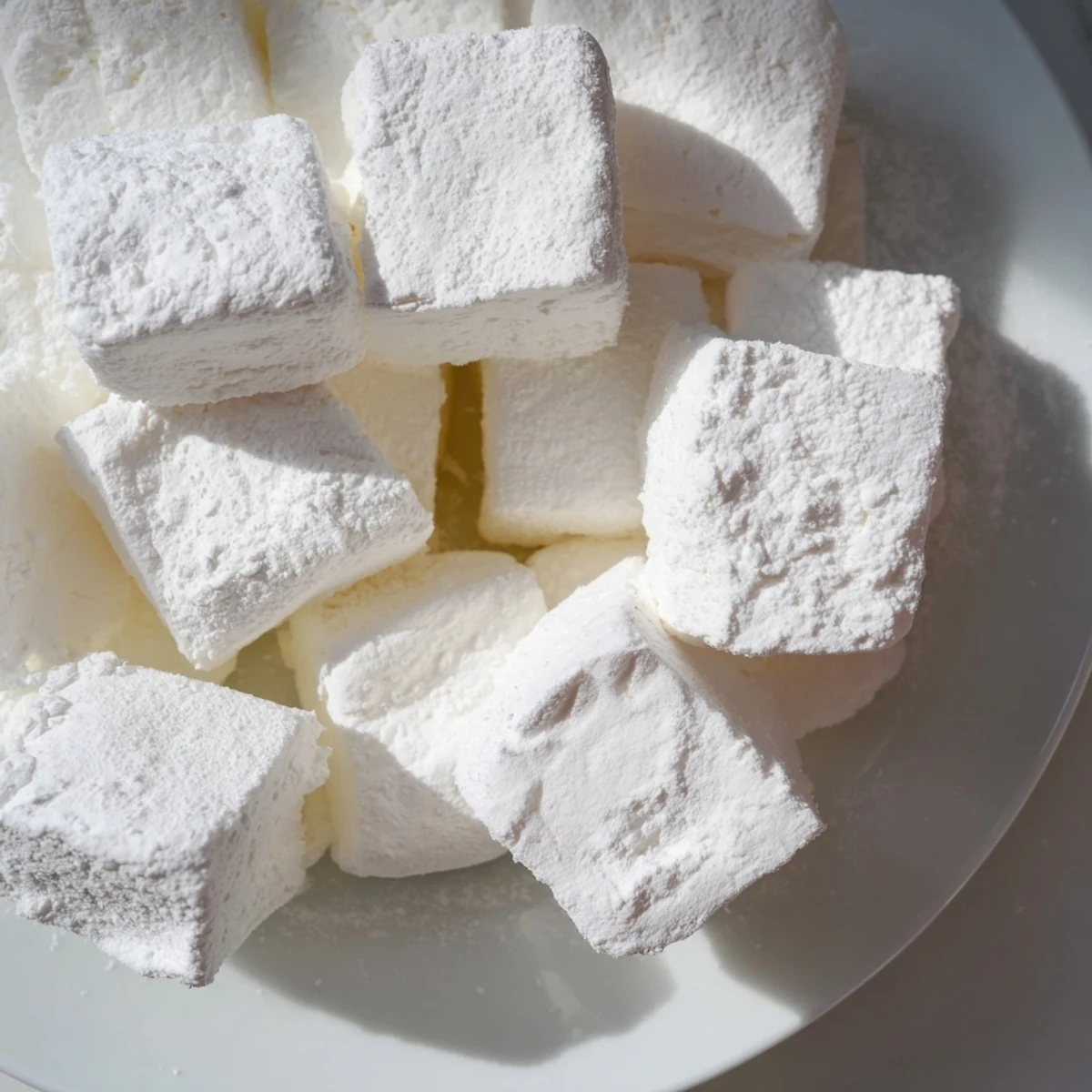
- Turn the slab onto a cutting board and slice into 1 inch squares with a knife dusted in the sugar mixture, tossing each piece to coat all sides. Work quickly and keep everything well dusted, or you will end up with a marshmallow situation that requires serious cleanup.
 Save
Save These became a winter tradition after my friend requested them instead of cookies for her annual cookie exchange. Now every December finds me with a candy thermometer and stand mixer, producing batches that disappear almost as fast as I can cut them.
Flavor Variations
Peppermint extract instead of vanilla creates the most spectacular hot chocolate accompaniment, especially during holiday season. A drop of two of food coloring during that final minute transforms them into something festive and joyful.
Storage Secrets
Store them in an airtight container with a piece of parchment paper between layers, and they will stay fresh for up to a week. Never refrigerate them, as the cold creates strange texture changes that nobody wants in their marshmallow experience.
Serving Ideas
These elevate ordinary hot chocolate into something almost magical, melting just enough to create that thin layer of sweet fluff on top. They also toast beautifully under a broiler for about 30 seconds if you want that campfire experience without the actual camping.
- Dip half in melted dark chocolate and let them set on parchment for an extra special treat
- Cut them into larger squares and place between graham crackers with chocolate for indoor s'mores
- Gift them in clear bags tied with twine and a small sprig of fresh rosemary or pine
 Save
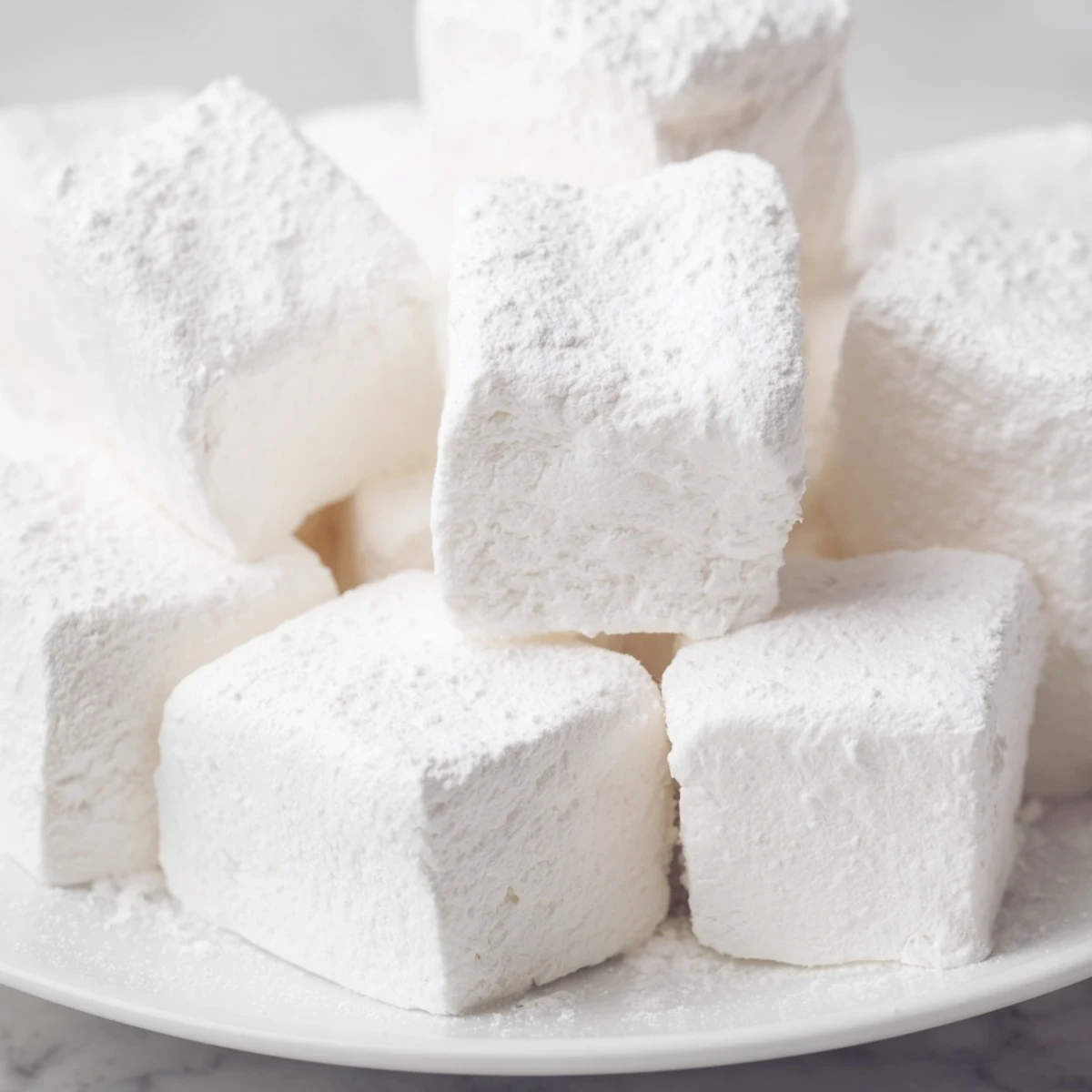
Save There is something deeply satisfying about making something from scratch that most people only know from plastic bags. These marshmallows have a way of making simple moments feel like special occasions.
Your Recipe Questions Answered
- → How long do marshmallows need to set?
-
Allow the mixture to set at room temperature for at least 4 hours, though overnight is preferred for the best texture. This ensures the interior firms completely while remaining soft and fluffy.
- → Can I make these without a stand mixer?
-
A stand mixer is highly recommended because the mixture must whip for 10-12 minutes on high speed. A hand mixer with sufficient power may work, but be prepared for a longer mixing time and potential motor strain.
- → What temperature should the sugar syrup reach?
-
Heat your sugar syrup to exactly 240°F (115°C) on a candy thermometer. This temperature ensures proper structure and texture without making the marshmallows too hard or sticky.
- → How should I store homemade marshmallows?
-
Keep them in an airtight container at room temperature for up to one week. Adding a dusting of confectioners sugar helps prevent pieces from sticking together. Avoid refrigeration as it alters the texture.
- → Can I substitute the gelatin for a vegetarian option?
-
Traditional marshmallows require gelatin for structure. Vegetarian alternatives exist but produce different textures. Agar-based versions tend to be firmer and less fluffy, while some commercial vegan gel substitutes may offer closer results.
- → Why did my marshmallows turn out sticky?
-
Sticky marshmallows usually result from not cooking the syrup to the correct temperature or insufficient whipping time. Ensure your thermometer reads exactly 240°F and whip until the mixture triples in volume and holds stiff peaks.