
 Save
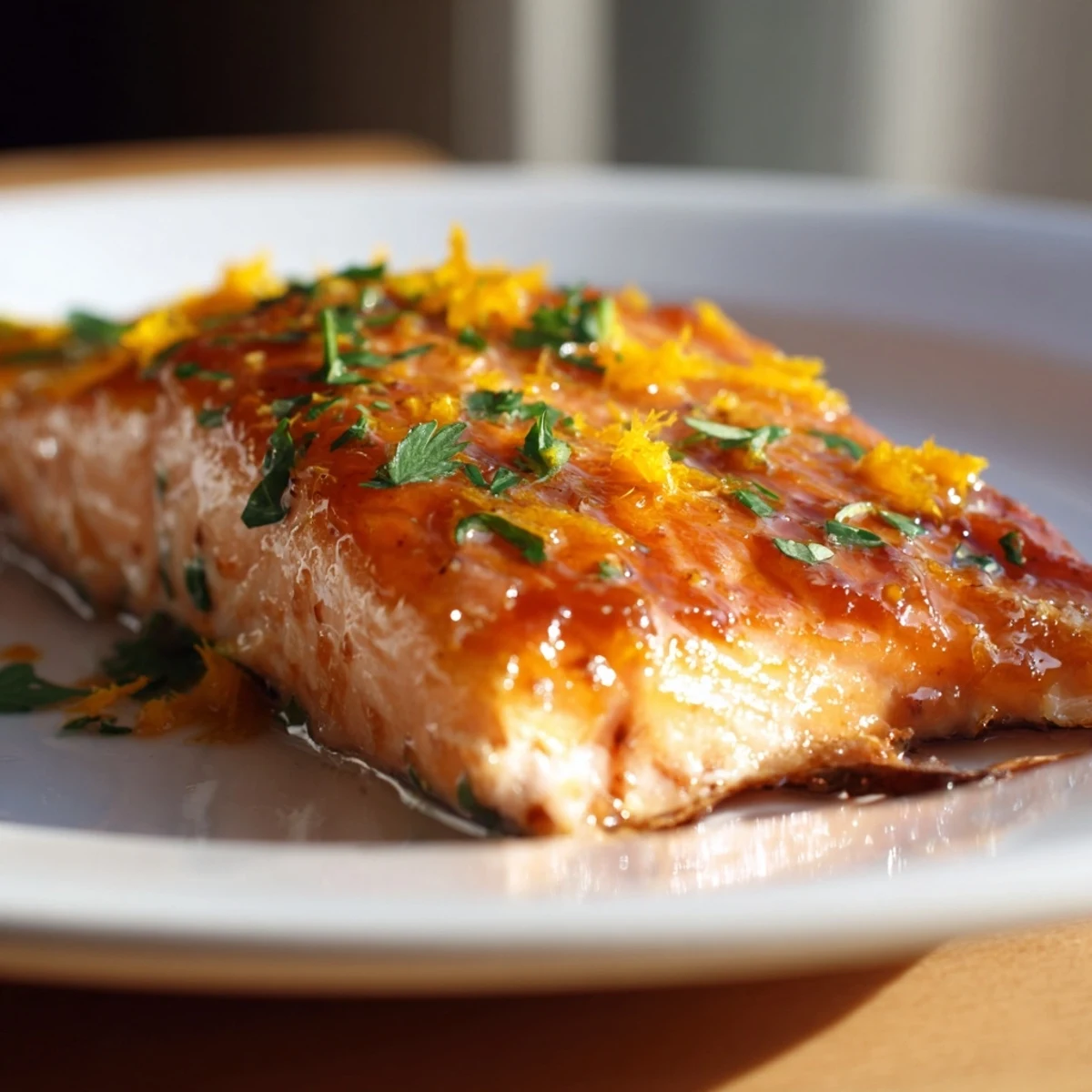
Save This elegant yet simple dish features salmon fillets baked to perfection and coated with a vibrant orange glaze. The sauce combines fresh orange juice, honey, soy sauce and Dijon mustard for a perfect balance of sweet and tangy flavors.
Ready in just 28 minutes, this pescatarian and gluten-free main course requires minimal preparation but delivers impressive results. The salmon bakes for 12-15 minutes while the glaze reduces on the stovetop, creating a delicious caramelized finish when brushed over the fish.
The first time I made this orange-glazed salmon, a golden winter afternoon filled my kitchen with the most inviting citrus aroma. I'd picked up some beautiful fillets from the farmers market that morning, still buzzing from the lively conversation with the fishmonger who swore this simple glaze would transform ordinary salmon into something extraordinary. Standing at my counter, peeling oranges with juice running down my wrists, I had no idea this recipe would become the dish friends request whenever they visit.
Last spring, I served this salmon at my sisters birthday gathering where conversation had stalled among some guests who hadnt met before. As plates were cleaned with appreciative murmurs, the table suddenly filled with animated stories and laughter. My brother-in-law, who usually pushes fish around his plate suspiciously, asked for seconds. That night, this dish did more than feed people, it somehow broke the ice in a way I hadnt expected.
Ingredients
- Salmon fillets: Look for pieces with vibrant color and firm texture, as I learned after a disastrous dinner party where the pale, mushy fillets Id bought on sale refused to hold together.
- Fresh orange juice: After years of using bottled juice, I discovered freshly squeezed makes the glaze noticeably brighter and more fragrant, worth the extra two minutes of squeezing.
- Honey: Choose a light, floral variety if possible, though that robust buckwheat honey from my cupboard cleanout created an unexpectedly delicious depth last winter.
- Soy sauce: This umami foundation balances the sweetness, a trick my college roommate from Japan taught me while we shared that tiny apartment kitchen.
- Dijon mustard: The subtle heat and creaminess create a perfect emulsion for the glaze, preventing that separation I got when I tried to substitute yellow mustard in a pinch.
Instructions
- Prepare your oven and workspace:
- Preheat to 400°F while you line a baking sheet with parchment paper. The paper isnt just for cleanup, its saved my salmon from sticking catastrophically when I forgot to grease the pan.
- Craft the glorious glaze:
- Combine orange juice, honey, soy sauce, mustard, zest, garlic, pepper and salt in a small saucepan over medium heat. Let it bubble gently for 6-8 minutes until it thickens just enough to coat the back of a spoon, filling your kitchen with a citrusy perfume.
- Prepare your salmon:
- Pat those beautiful fillets dry with paper towels, a step I foolishly skipped once that left me with steamed rather than glazed salmon. Arrange them on your baking sheet, skin-side down if they have skin.
- First glaze application:
- Brush each fillet generously with your orange glaze, saving about a third for later. Watch how the glaze settles into the natural lines of the fish, promising flavor in every bite.
- Bake to perfection:
- Slide the sheet into your preheated oven and bake for 12-15 minutes, until the flesh turns opaque and flakes easily with a fork. The kitchen will fill with a sweet-savory aroma that never fails to bring someone wandering in asking whats for dinner.
- Final touches:
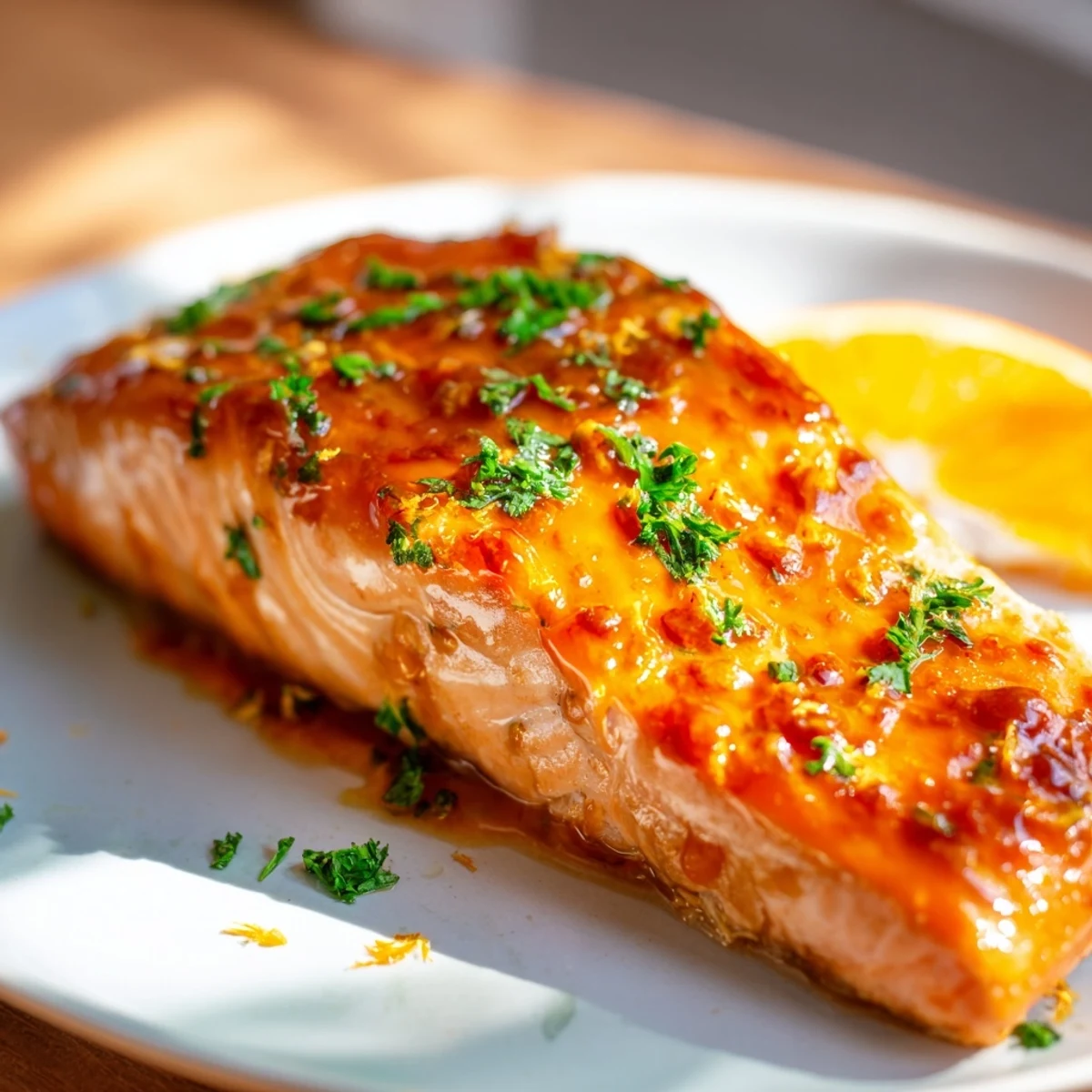
- Pull the salmon from the oven and immediately brush with that reserved glaze, which will settle into a shiny finish. Sprinkle with fresh parsley and add orange slices for a burst of color that makes the dish feel special even on a Tuesday night.
 Save
Save One rainy Sunday afternoon, my teenage son who typically avoids anything that isnt pizza or burgers wandered into the kitchen as I was plating this salmon. The glaze was particularly vibrant that day, catching the light from our window. Without prompting, he asked for a taste, then pulled up a stool to watch me finish cooking. We ended up sharing the meal at the kitchen counter, trading stories about his day at school, all because this orange-scented dish looked too good to pass up.
Perfect Pairings
Through much delicious experimentation, Ive found that steamed asparagus with a squeeze of lemon creates a spring-like accompaniment that cuts through the richness of the glazed salmon. On cooler evenings, wild rice with toasted almonds provides a nutty foundation that soaks up any extra glaze on the plate, a discovery made when my youngest accidentally dripped glaze all over his rice and declared it improved.
Make-Ahead Options
The orange glaze can be prepared up to three days ahead and stored in the refrigerator, which saved me during that hectic week of houseguests when cooking time was limited. Just warm it slightly before using, as I learned when cold glaze refused to spread evenly, creating patches of flavor rather than a consistent coating. The complete dish doesnt reheat beautifully, but leftovers make an incredible cold salmon salad for lunch the next day.
Variations to Try
After making this dish nearly monthly for two years, Ive played with several delicious twists that keep it in regular rotation. During summer, I substitute blood oranges when available, which creates a deeper color and slightly more complex flavor that pairs wonderfully with outdoor dining.
- Add a tablespoon of grated fresh ginger to the glaze for a warming kick that complements the citrus beautifully.
- Substitute maple syrup for honey when youre running low on the latter, creating a deeper, more autumnal flavor profile that my Canadian friend insists is the superior version.
- For a dinner party presentation, use a culinary torch to lightly caramelize the final glaze coating, creating a crème brûlée effect that never fails to impress guests.
 Save
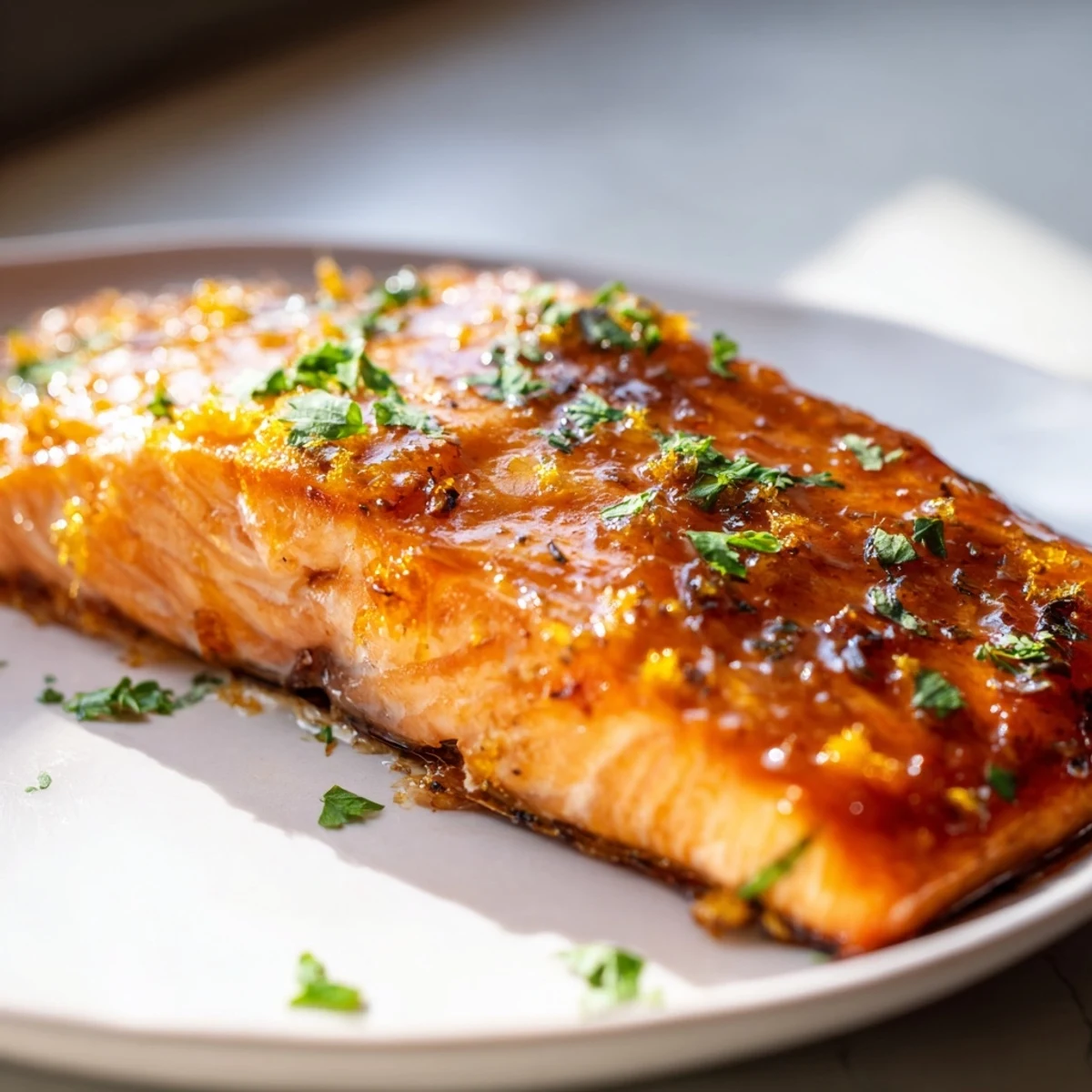
Save This orange-glazed salmon has become more than just a recipe in my collection, its a reliable mood-lifter on days when nothing else seems to go right. Something about the bright citrus aroma and the gentle transformation of raw fish to glazed perfection reminds me that simple pleasures remain within reach.
Your Recipe Questions Answered
- → How do I know when the salmon is properly cooked?
-
The salmon is done when the flesh is opaque and flakes easily with a fork. For medium doneness, the center should be slightly translucent. If using an instant-read thermometer, the internal temperature should reach 125-130°F (52-54°C) for medium or 135-140°F (57-60°C) for well-done.
- → Can I make this dish ahead of time?
-
While salmon is best served fresh, you can prepare the orange glaze up to 3 days in advance and store it in an airtight container in the refrigerator. Reheat the glaze before using. The salmon itself should be cooked just before serving for optimal texture and flavor.
- → What can I substitute for honey in the glaze?
-
Maple syrup makes an excellent substitute for honey, as noted in the recipe. You could also use brown sugar, agave nectar, or even orange marmalade (reduce the amount of orange juice slightly if using marmalade).
- → Is this dish gluten-free?
-
The dish is gluten-free if you use tamari instead of regular soy sauce. Regular soy sauce typically contains wheat, while tamari is usually made without wheat. Always check product labels to confirm allergen information.
- → What side dishes pair well with this salmon?
-
This salmon pairs beautifully with steamed asparagus, wild rice, roasted Brussels sprouts, or a simple green salad. The citrus flavors also complement starchy sides like mashed potatoes or quinoa.
- → Can I use frozen salmon fillets?
-
Yes, but thaw them completely in the refrigerator before cooking. Pat them dry thoroughly with paper towels before applying the glaze to ensure it adheres properly and the fish cooks evenly.