
 Save
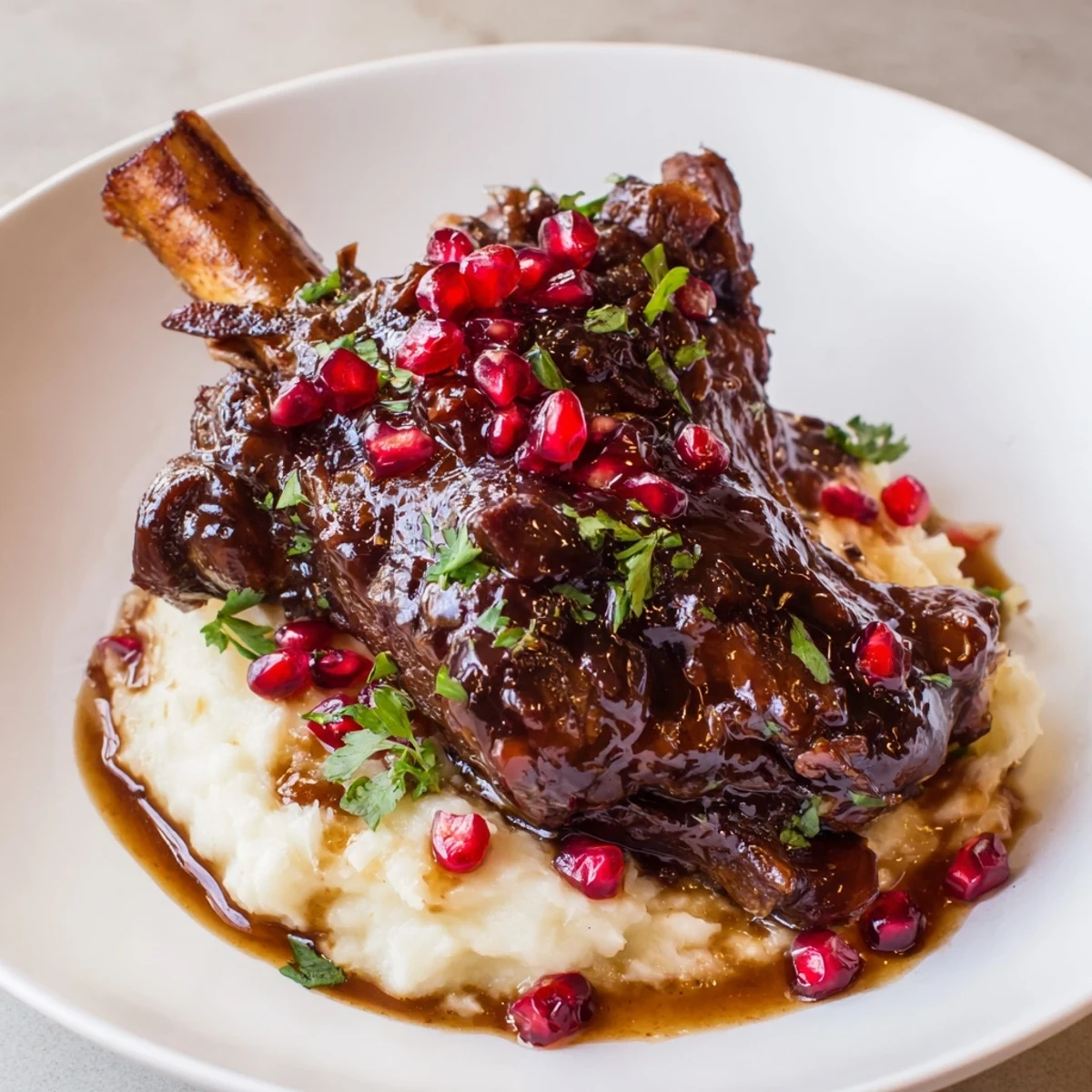
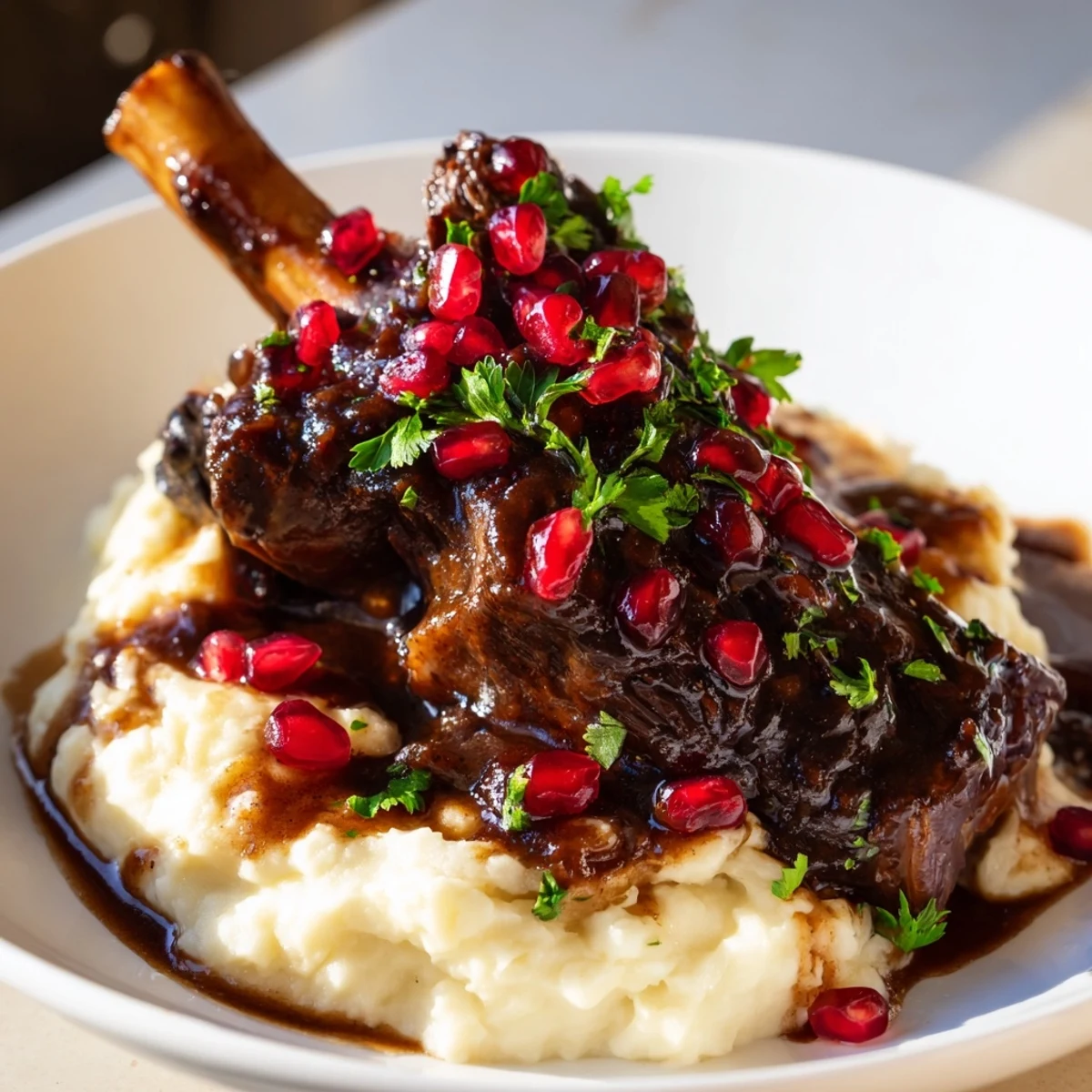
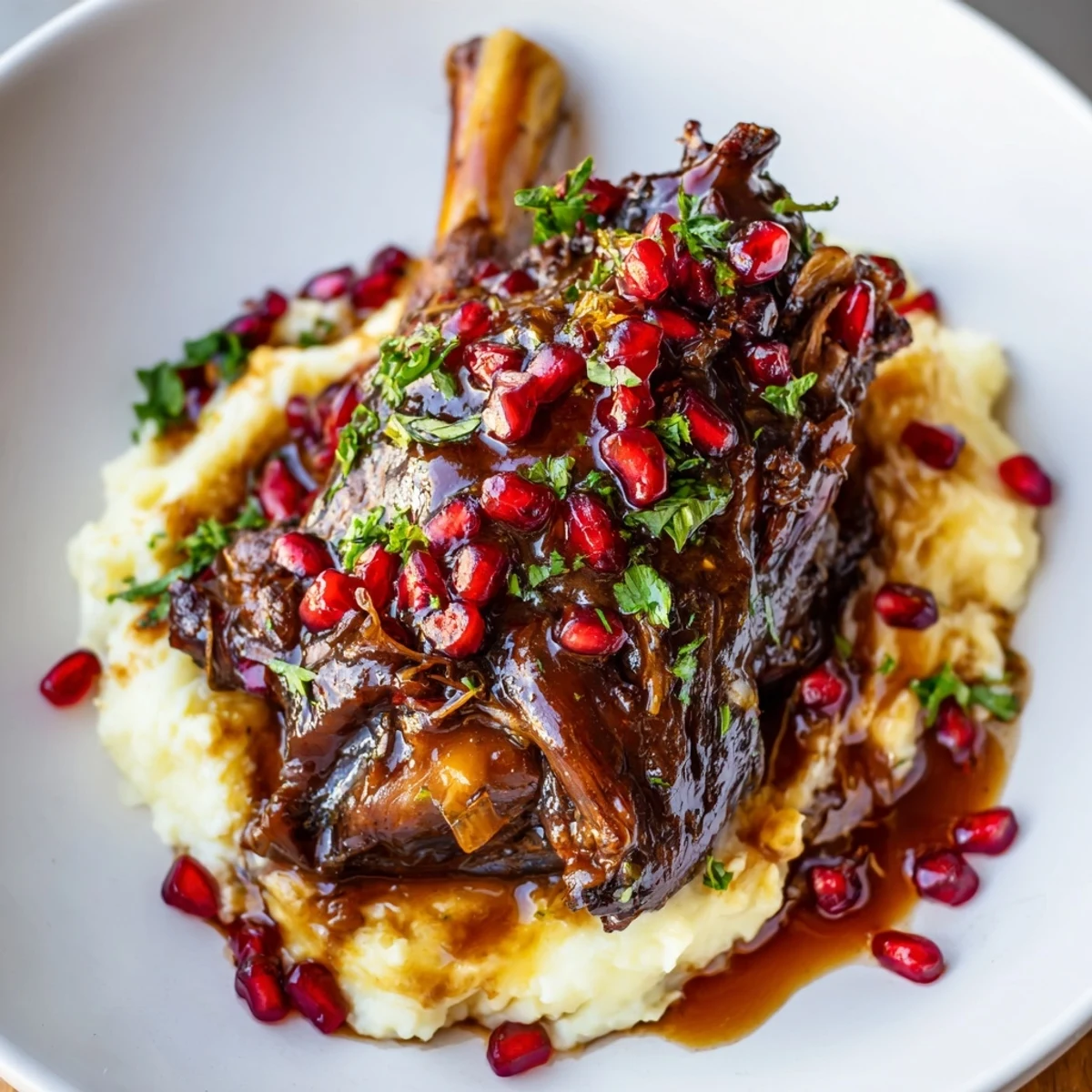
Save This dish features tender lamb shanks slow-braised with a blend of cumin, coriander, cinnamon, and smoked paprika. The shanks are cooked in a rich liquid of red wine, stock, tomato paste, and enhanced by pomegranate molasses and honey for a unique balance of tangy and sweet flavors. Finished under a hot grill with a glossy pomegranate glaze, the lamb is served garnished with fresh pomegranate seeds and parsley, offering a flavorful Middle Eastern-inspired main course.
There's something about the smell of lamb braising with cinnamon and pomegranate that stops you mid-conversation. I discovered this dish years ago at a friend's dinner party, watching her pull these glossy, caramelized shanks from under the broiler—the kitchen filled with this incredible sweet-savory perfume. She barely explained what she'd done, just smiled and said the secret was patience and one unexpected ingredient. That night changed how I thought about cooking for people who matter.
I made this for my partner on a cold winter evening when I wanted to show love without saying much. As the lamb braised, I sat at the kitchen table with a glass of wine, listening to the oven hum, feeling like I was doing something real. When those shanks came out glossy and bronzed under the broiler, even I was surprised by how impressive they looked.
Ingredients
- Lamb shanks (4, about 350–400g each): The meat here is forgiving—it gets more tender the longer it braises, so don't worry about cooking it perfectly.
- Olive oil (2 tbsp): Use good oil for searing, though it'll be largely replaced by the braising liquid, so don't overthink this part.
- Onion, garlic, carrots, celery: These aromatics break down into the sauce, creating depth without needing you to do much beyond chopping and tossing them in.
- Cumin, coriander, cinnamon, smoked paprika (1 tsp, 1 tsp, 1/2 tsp, 1/2 tsp): Bloom these spices briefly in the hot pan—that minute of cooking unlocks flavors that raw spices simply cannot deliver.
- Bay leaves and thyme (2 leaves, 4–5 sprigs): Fresh thyme is noticeably better if you have it, but dried works and won't ruin anything.
- Beef or lamb stock (400 ml): Quality stock matters here since it's a major player; if yours tastes thin, add an extra tablespoon of tomato paste to compensate.
- Dry red wine (250 ml): Drink a glass while cooking—the wine shouldn't be fancy, just something you'd enjoy sipping.
- Tomato paste, pomegranate molasses, honey (2 tbsp, 2 tbsp, 1 tbsp in the braising liquid): This combination creates the sweet-savory backbone; pomegranate molasses is the star, so don't skip it or substitute without tasting first.
- Pomegranate molasses and honey for the glaze (3 tbsp, 1 tbsp): This small batch gets reduced until it coats the back of a spoon, turning syrupy and concentrated.
- Pomegranate seeds and parsley (1/2 cup, 2 tbsp): Add these just before serving so the seeds stay bright and the parsley doesn't wilt into invisibility.
- Salt and pepper: Season the lamb generously before searing—this is not the place to be timid.
Instructions
- Heat your oven and prepare the lamb:
- Preheat to 160°C (325°F). Pat the shanks dry with paper towels—moisture is the enemy of browning. Season them aggressively with salt and pepper, covering all sides.
- Sear the shanks until golden:
- Heat olive oil in a large Dutch oven over medium-high heat until it shimmers. Place shanks in the hot pan and leave them alone for about 2 minutes per side, resisting the urge to move them constantly. You're building a flavorful crust, not cooking them through.
- Build the aromatic base:
- Remove the shanks and set aside. Lower the heat to medium, add onion, garlic, carrots, and celery, and sauté until softened and fragrant, around 6–8 minutes. Stir occasionally and listen for that gentle sizzle.
- Toast the spices:
- Add cumin, coriander, cinnamon, smoked paprika, bay leaves, and thyme. Cook for about 1 minute, stirring constantly, until the kitchen fills with spice-forward aroma—that's your signal you're done.
- Create the braising liquid:
- Stir in tomato paste, pomegranate molasses, and honey until everything is well combined. Pour in wine and stock, then use a wooden spoon to scrape up all the browned bits stuck to the bottom of the pot. Bring to a simmer.
- Nestle the lamb into the liquid:
- Return the seared shanks to the pot, positioning them so they're mostly submerged. Cover the Dutch oven with a lid (use foil if you don't have one) and transfer to the oven.
- Braise low and slow:
- Let the oven do the work for 2 to 2½ hours, turning the shanks once or twice. The meat is ready when a fork slides through with almost no resistance—that's when you know magic has happened.
- Finish with the glaze:
- Remove the shanks to a plate. Skim excess fat from the braising liquid (a spoon or paper towel works). In a small saucepan, combine pomegranate molasses and honey, simmering over low heat for 2–3 minutes until it thickens and coats the back of a spoon. Brush this glaze generously over each shank.
- Add the final char:
- Place the glazed shanks under a hot broiler for 3–5 minutes, watching carefully, until the glaze bubbles and caramelizes into a shiny mahogany finish. This step transforms them from delicious to show-stopping.
- Plate and serve:
- Arrange shanks over pilaf or mashed potatoes, drizzle with the braising liquid, and scatter pomegranate seeds and fresh parsley on top.
 Save
Save I once served this to a table of people who rarely eat lamb, and watching them go quiet the moment they tasted it reminded me why cooking matters. Food becomes memory when it's made with intention and care, and this dish has a way of doing exactly that.
Why This Dish Works
Lamb shanks are a forgiving cut—the longer they braise, the more tender they become, so there's a wide window of success rather than a precise target you have to hit. The combination of spices creates warmth without overwhelming, while the pomegranate molasses adds a sophisticated tangy sweetness that prevents the dish from feeling heavy. Red wine and stock create a rich base that absorbs all the spice flavors, and the final glaze seals everything in a glossy finish that looks far more complicated than it actually is.
Serving and Pairing
Serve these shanks over creamy mashed potatoes, buttered rice pilaf, or couscous—something that can soak up the braising liquid and balance the richness of the meat. A robust red wine like Shiraz or Cabernet Sauvignon is the natural choice, matching the deep spice and sweetness. A crisp green salad on the side cuts through the richness beautifully, offering contrast without competing for attention.
Make-Ahead and Storage
This dish actually tastes better made a day ahead—the flavors settle and deepen overnight, and reheating is almost effortless. You can braise the shanks completely, cool them in their liquid, then refrigerate. The next day, reheat gently in a low oven, prepare the glaze fresh, and finish under the broiler for that caramelized shine. Leftovers keep for up to three days in the refrigerator, and the meat shreds beautifully if you want to use it in a grain bowl or wrap the following week.
- Braise up to one day ahead, storing shanks submerged in their braising liquid to prevent drying.
- Prepare the glaze fresh on serving day for the best shine and texture.
- Shredded leftover lamb transforms into an entirely different meal served with flatbread and yogurt sauce.
 Save
Save This recipe asks for patience, but that patience is rewarded with a dish that tastes like it took hours of active work when you barely lifted a finger. Serve it to people you want to impress, or simply make it for yourself on a night when you deserve something special.
Your Recipe Questions Answered
- → How do you achieve tender lamb shanks?
-
Slow braising at low heat for 2 to 2.5 hours breaks down connective tissues, resulting in tender, fall-off-the-bone meat.
- → What role does pomegranate molasses play?
-
Pomegranate molasses adds a tangy-sweet depth, enriching both the braising liquid and the final glaze for a balanced flavor profile.
- → Can I substitute beef shanks for lamb?
-
Yes, beef shanks work well and provide a similar texture and richness when slow-braised using the same method.
- → What side dishes complement this lamb?
-
Serve over pilaf, mashed potatoes, or roasted vegetables to soak up the flavorful braising liquid and glaze.
- → How to prepare the pomegranate glaze?
-
Simmer pomegranate molasses with honey over low heat until thickened, then brush onto the lamb before a quick broil for caramelization.