
 Save
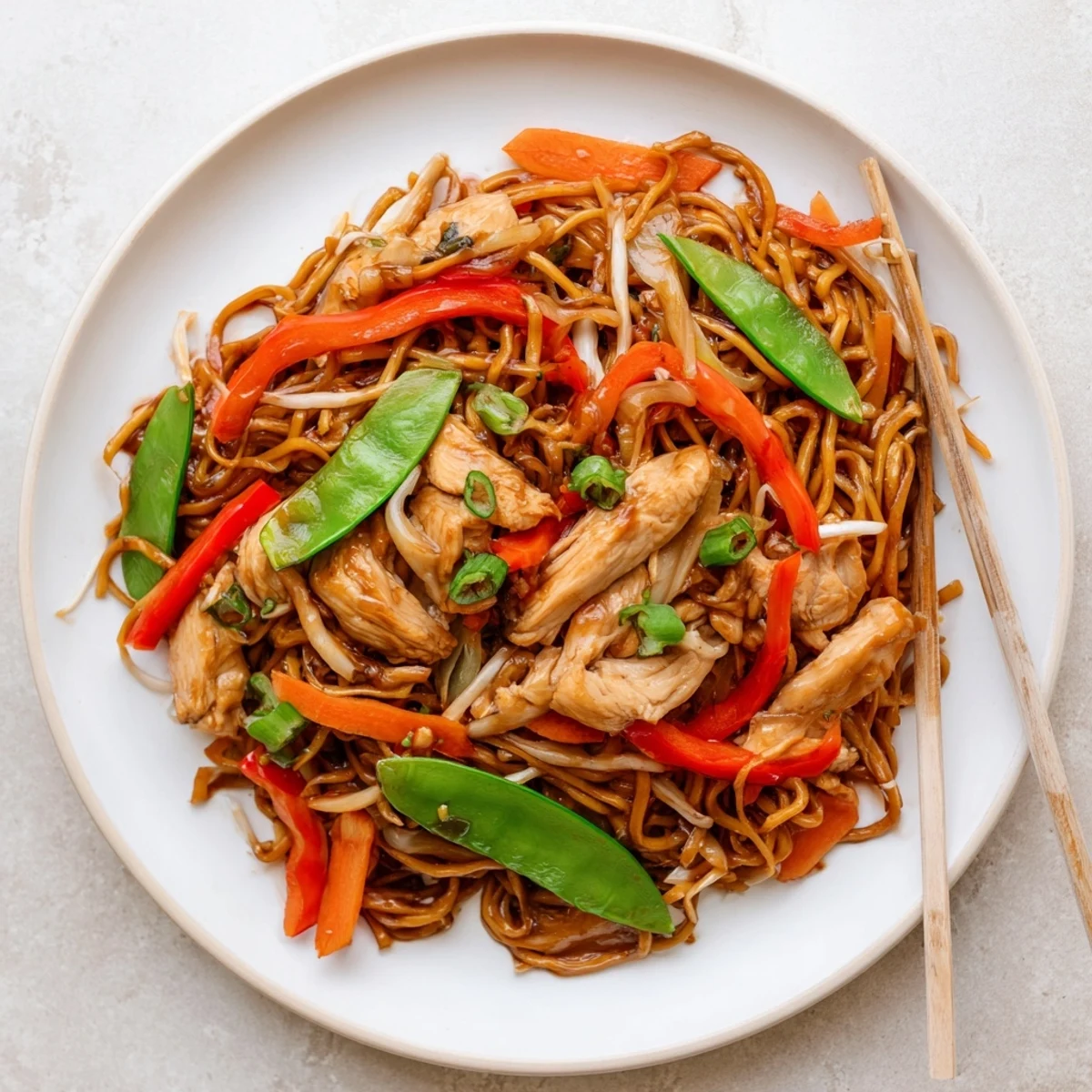
Save This classic Chinese noodle dish combines tender chicken breast with crisp vegetables like carrots, bell peppers, and bean sprouts, all coated in a savory sauce made from soy, oyster, and hoisin sauces. The entire meal comes together in just 35 minutes, making it perfect for busy weeknight dinners. The secret lies in marinating the chicken beforehand for maximum tenderness and stir-frying everything over high heat to maintain that perfect texture.
The first time I attempted chow mein at home, I stood in front of my stove with vegetables falling everywhere and noodles sticking to the wok in one giant clump. My husband walked into the kitchen, took one look at the chaos, and asked if we should just order takeout instead. But something about that messy first attempt made me determined to figure it out, and now I can throw this together in the time it takes to decide on a delivery place.
Last winter when my sister came over feeling completely overwhelmed with work, I made this while she sat at my kitchen island venting about her boss. The smell of garlic and sesame oil filled the apartment, and by the time we sat down with steaming bowls, she had forgotten everything she was stressed about. Food has this way of creating space in your head.
Ingredients
- 400 g boneless chicken breast: Thinly slicing against the grain makes each bite impossibly tender, a technique my grandmother taught me for all stir-fry meats
- 1 tbsp soy sauce + 1 tsp cornstarch + 1 tsp sesame oil: This simple marinade transforms ordinary chicken into something that practically melts in your mouth
- 3 tbsp soy sauce + 1 tbsp oyster sauce + 1 tbsp hoisin sauce + 1 tsp sugar + 1/2 tsp white pepper + 2 tbsp water: I spent months tweaking these ratios until the sauce reminded me of this tiny spot in Chinatown I used to visit after college classes
- 250 g chow mein or egg noodles: Fresh egg noodles are worth seeking out, but in a pinch, even spaghetti works if you rinse it really well after cooking
- 2 tbsp vegetable oil (divided): Splitting the oil keeps everything from getting greasy while still preventing that dreaded stuck-to-the-pan situation
- 2 garlic cloves + 1 medium onion + 1 large carrot + 1 red bell pepper + 100 g bean sprouts + 4 spring onions + 100 g snow peas: This colorful mix came from years of adding whatever looked fresh at the market, and somehow it became the combination my family requests most
Instructions
- Marinate the chicken:
- Combine sliced chicken with soy sauce, cornstarch, and sesame oil in a bowl, then let it sit while you prep everything else. Those ten minutes make all the difference between tough and tender.
- Whisk together your sauce:
- Mix all the sauce ingredients in a small bowl until the sugar completely dissolves, which usually takes about thirty seconds of determined whisking.
- Cook the noodles:
- Boil noodles according to the package, then drain immediately and rinse under cold water until they feel cool to the touch. That rinse stops the cooking and prevents the sticky disaster from my first attempt.
- Sear the chicken:
- Heat half the oil in your wok over high heat until it shimmers, then add chicken in a single layer. Let it cook undisturbed for one minute before tossing, which creates those gorgeous golden-brown edges everyone loves.
- Cook the vegetables:
- Add the remaining oil along with garlic and onion, stir-frying for thirty seconds until fragrant. Toss in the carrot, pepper, and snow peas, cooking until theyre bright but still have some crunch.
- Bring it all together:
- Return chicken to the wok, add noodles, bean sprouts, and spring onions, then pour in that sauce you made earlier. Toss everything over high heat for two minutes, letting the sauce bubble and coat every strand evenly.
 Save
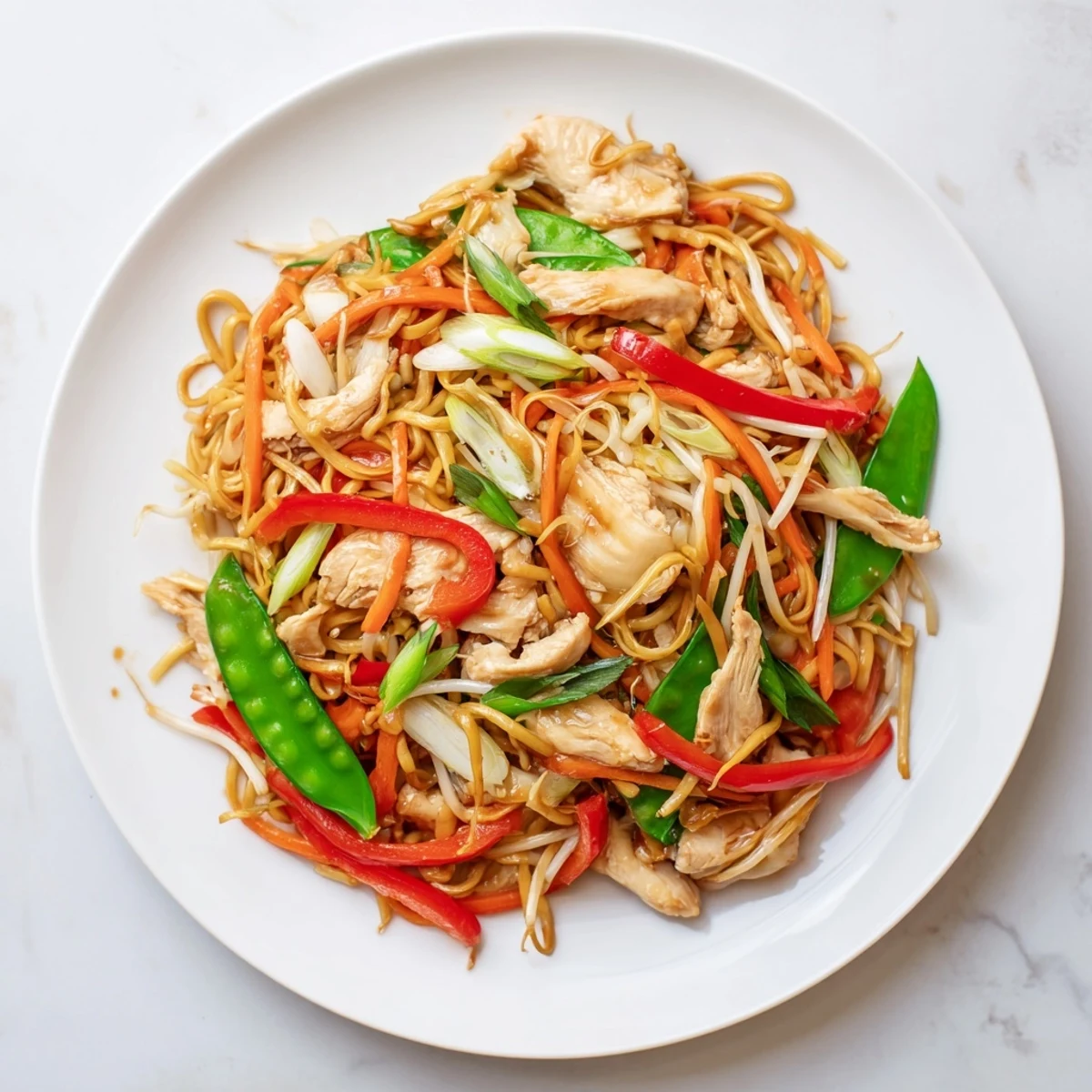
Save This recipe became my go-to for new neighbors, broken-hearted friends, and Tuesday nights when nobody feels like deciding what to eat. Something about noodles and vegetables tossed in a savory sauce just makes everything feel manageable again.
Getting the Right Noodle Texture
The biggest mistake people make is overcooking the noodles during the boiling stage. Pull them out about a minute before the package recommends because theyll continue cooking in the wok when you toss everything together at high heat. This tiny adjustment changed everything about my homemade chow mein.
Customizing Your Vegetable Mix
Sometimes I use whatever needs clearing out from my refrigerator drawer, and the results are always delicious. Mushrooms add meatiness, bok choy brings lovely crunch, and even frozen peas work in a pinch. The real secret is cutting everything into similar-sized pieces so everything cooks evenly.
Making It Your Own
This base recipe has endless variations once you understand the sauce ratio. Swap chicken for shrimp, beef, or even tofu for different proteins, and adjust the vegetables based on whats in season or what your family actually enjoys eating.
- Add fresh chili slices or chili oil at the very end if you prefer a spicy kick
- Try rice wine instead of water in the sauce for another layer of authentic flavor
- Prepare all ingredients before you turn on the stove because stir-frying waits for no one
 Save
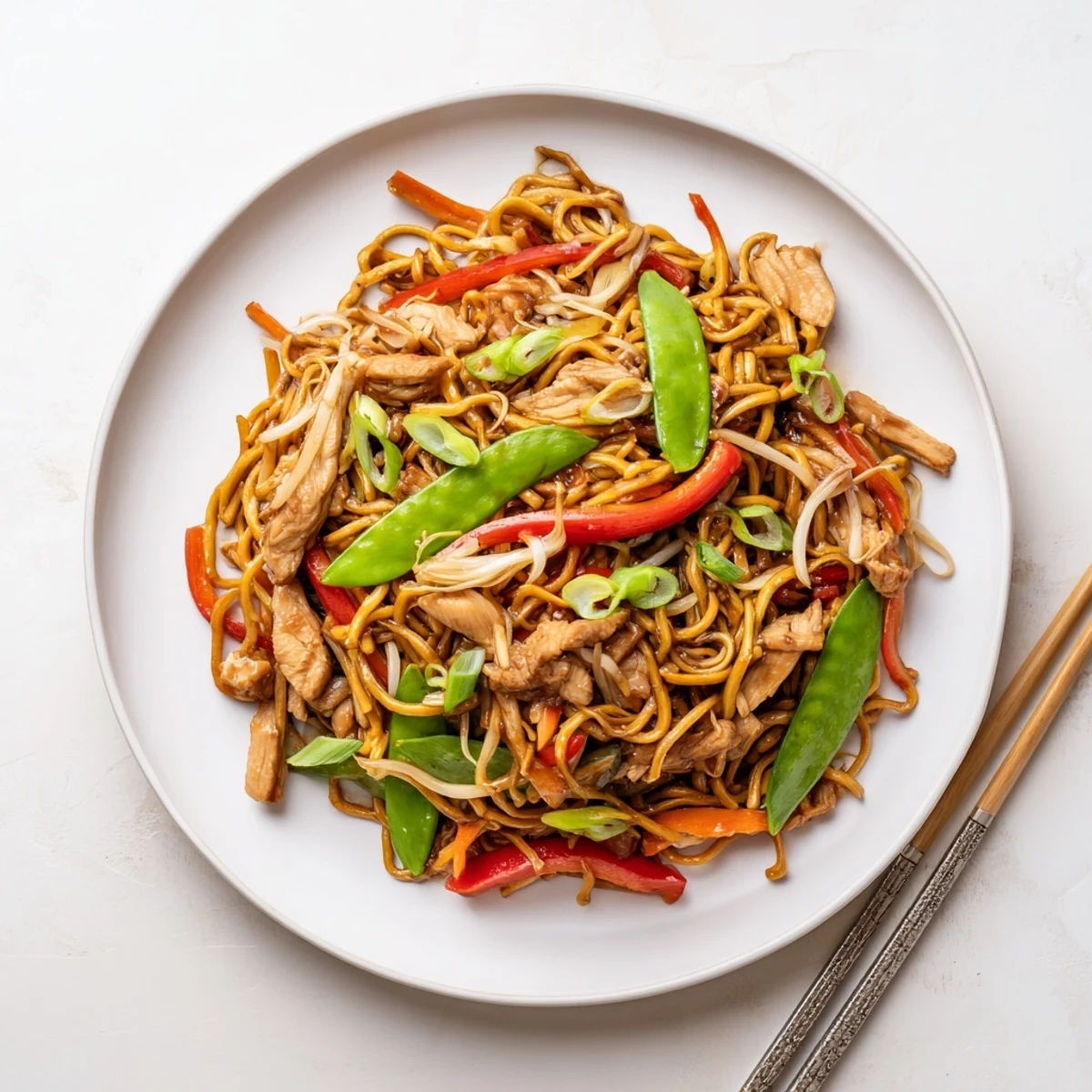
Save Garnish with extra spring onions and serve immediately while everything is still piping hot and the noodles have that perfect bounce. Your kitchen is going to smell incredible.
Your Recipe Questions Answered
- → What noodles are best for chow mein?
-
Traditional chow mein uses egg noodles specifically designed for stir-frying. Look for fresh or dried egg noodles labeled as chow mein or stir-fry noodles. You can substitute with linguine or spaghetti if needed, though the texture will differ slightly.
- → How do I prevent the noodles from sticking together?
-
Rinse cooked noodles under cold water immediately after draining to remove excess starch. Toss them with a teaspoon of oil before adding to the stir-fry. This prevents clumping and helps the sauce coat evenly.
- → Can I make this dish ahead of time?
-
Chow mein is best served immediately for optimal texture. However, you can prep ingredients in advance: slice vegetables, mix the sauce, and marinate chicken up to 4 hours before cooking. Reheat leftovers in a hot skillet with a splash of water.
- → What vegetables work well in this dish?
-
Traditional options include bean sprouts, snow peas, carrots, bell peppers, and onions. You can add bok choy, mushrooms, cabbage, or snap peas. Use whatever crisp vegetables you have on hand for texture variety.
- → How do I get restaurant-quality results at home?
-
The key is high heat and proper preparation. Marinate the chicken for tenderness, prep all ingredients before cooking, and stir-fry over high heat. Work in batches if needed so the wok stays hot. Don't overcrowd the pan.
- → Is this dish gluten-free?
-
Traditional chow mein contains gluten from soy sauce and wheat noodles. To make it gluten-free, use tamari instead of soy sauce, check oyster and hoisin sauce labels, and substitute with rice noodles or gluten-free egg noodles.