
 Save
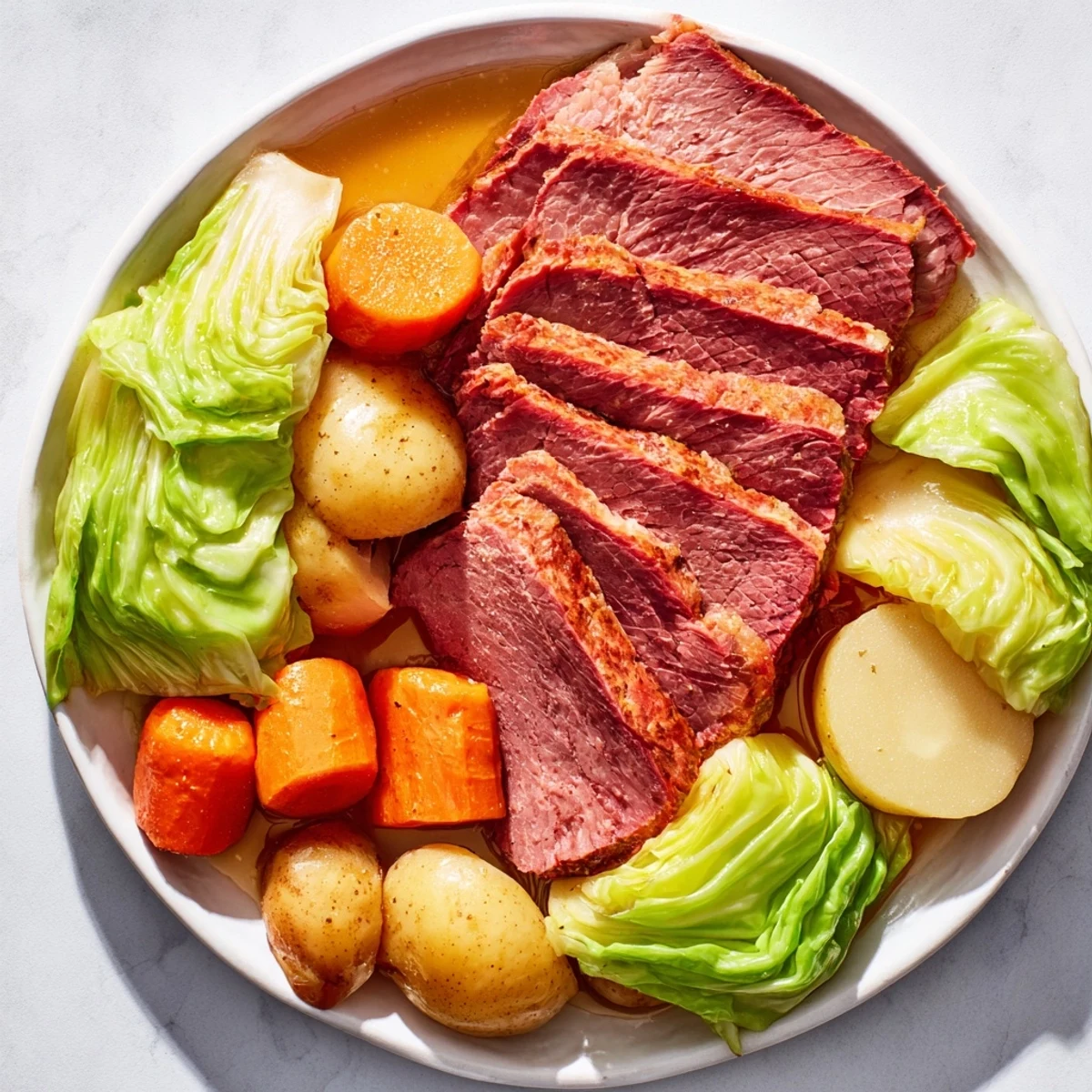
Save This classic Irish-American dish brings together tender corned beef brisket simmered slowly with fresh cabbage, potatoes, carrots, onions, and aromatic spices. The brisket is gently cooked for several hours until succulent and flavorful, infused with subtle hints of bay leaves, peppercorns, and mustard seeds. Vegetables are added toward the end to achieve a perfect balance of softness and texture. Resting the meat before slicing ensures juicy, tender bites. Ideal for comforting family meals or festive occasions, this hearty dish can be enjoyed with a splash of cider vinegar or fresh thyme for added depth. Leftovers also make excellent fillings for sandwiches or hashes.
My grandfather would start this dish the evening before St. Patricks Day, letting the brisket soak overnight to draw off excess salt. The whole house would fill with that distinctive spice perfume before anyone even woke up.
Last March, my neighbor came over with her own grandmothers wooden spoon, insisting it was the only tool that could properly skim the foam. We stood over the bubbling pot swapping stories about our families' versions of this classic while the steam fogged up the windows.
Ingredients
- Corned beef brisket: The spice packet included is crucial, but I always add a few extra peppercorns for depth
- Yukon Gold potatoes: They hold their shape better than Russets and have a naturally buttery flavor
- Green cabbage: Cut into wedges rather than shreds so it stays intact during simmering
- Carrots: Large chunks work best, they become tender without falling apart
- Yellow onions: Quartering them keeps the pieces substantial and sweet
- Bay leaves and peppercorns: These aromatic additions transform plain water into a rich broth
Instructions
- Rinse and place the brisket:
- Cold water removes excess brine and prevents the final dish from being too salty
- Add aromatics and bring to a boil:
- The spice packet, bay leaves, and onions create the foundation of the cooking liquid
- Simmer gently for two hours:
- Low and slow breaks down the connective tissue while keeping the meat moist
- Add the hearty vegetables:
- Potatoes and carrots need that longer cooking time to become tender
- Nestle in the cabbage wedges:
- The cabbage cooks quickly and absorbs all that flavorful broth
- Rest and slice against the grain:
- Letting the meat rest for ten minutes makes all the difference for tender slices
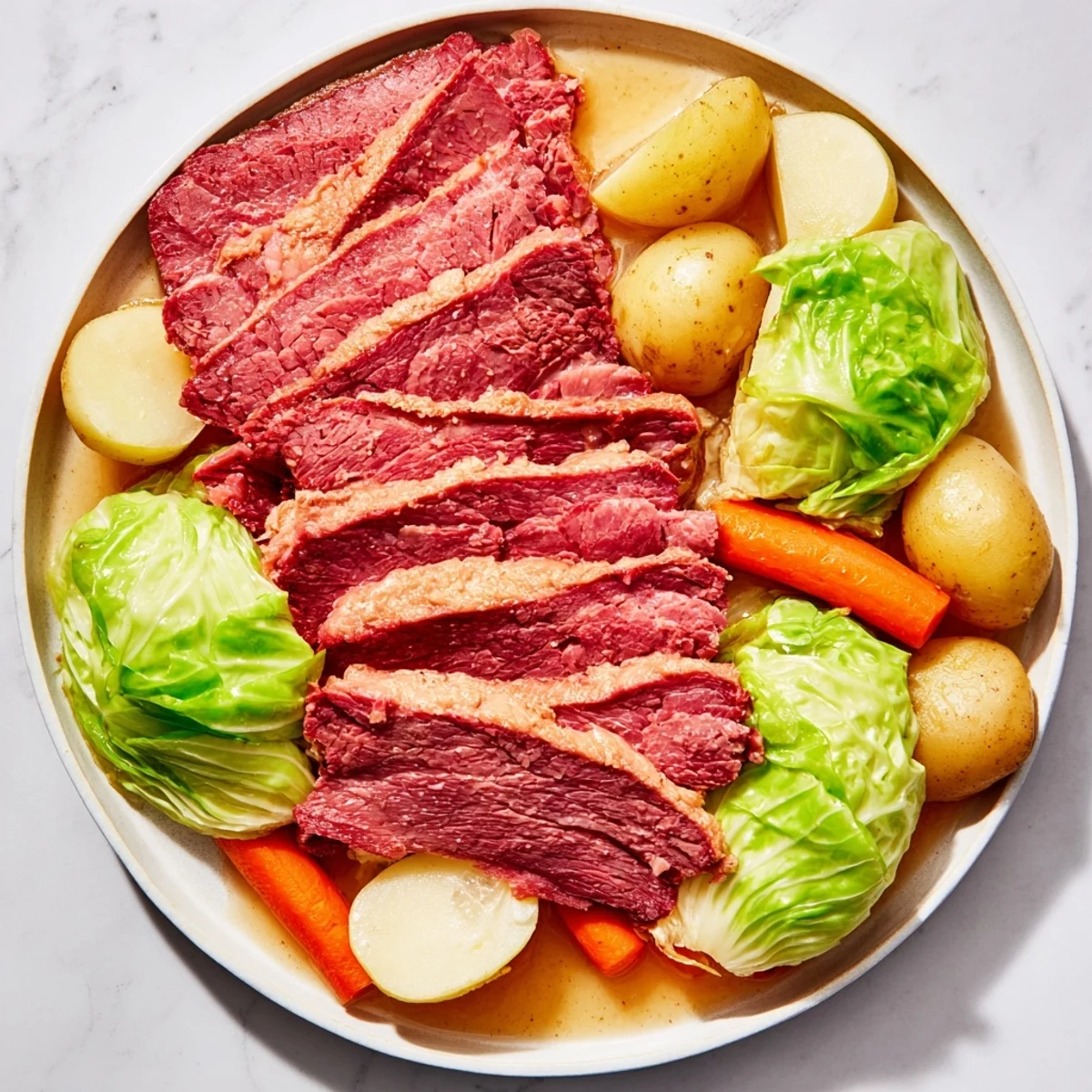
- Arrange and ladle over broth:
- That cooking liquid is liquid gold, do not skip this step
 Save
Save My daughter helped me arrange the platter this year, carefully placing each cabbage wedge like she was decorating a cake. Seeing three generations gather around that same dish felt like more than just dinner.
Getting The Right Simmer
A gentle simmer with tiny bubbles is better than a rolling boil. High heat can make the meat tough instead of tender.
Timing The Vegetables
Adding vegetables in stages prevents everything from turning to mush. Potatoes need the longest time while cabbage comes in late.
Serving Suggestions
A crusty bread for soaking up the broth and some grainy mustard on the side make this meal complete.
- Warm your serving platter in the oven
- Have extra hot broth ready for ladling
- Offer coarse salt for finishing
 Save
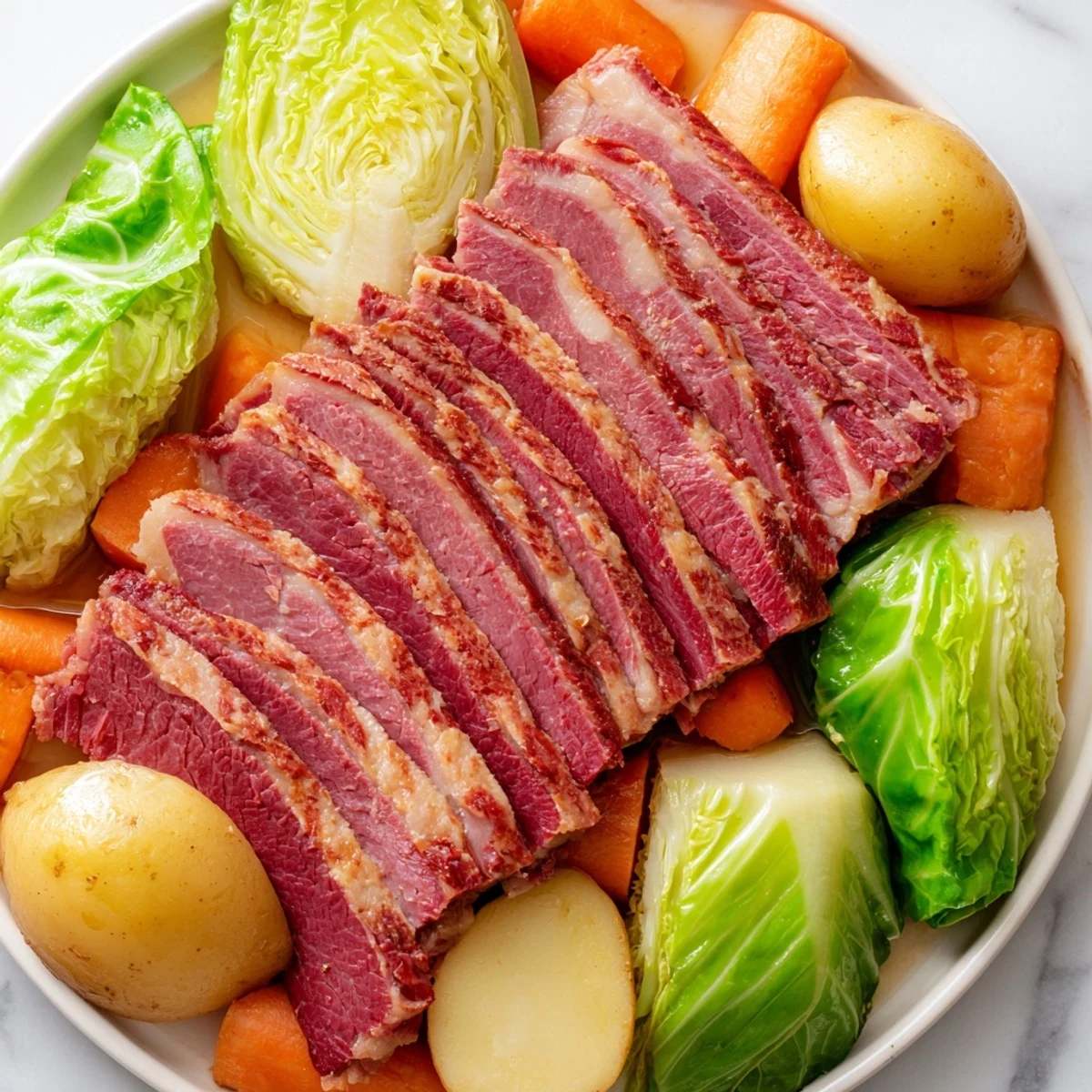
Save This is the kind of meal that brings people back to the table hours after they have eaten.
Your Recipe Questions Answered
- → How long should the brisket simmer for tender results?
-
Simmer the brisket for about 2 hours initially, then continue cooking with vegetables for 40-45 minutes to achieve a tender texture.
- → Can I use different vegetables besides cabbage and potatoes?
-
Yes, carrots and onions complement the dish well; feel free to add parsnips or turnips to vary the flavors.
- → How do I prepare the brisket before cooking?
-
Rinse the brisket under cold water to remove excess brine, then place it in the stockpot with cold water and spices before simmering.
- → What seasoning enhances this dish’s flavor?
-
Bay leaves, black peppercorns, whole mustard seeds, and optionally a splash of cider vinegar or fresh thyme provide aromatic depth.
- → How can leftovers be used creatively?
-
Leftover sliced brisket and vegetables work well in sandwiches or can be chopped and fried into a hearty hash.