
 Save
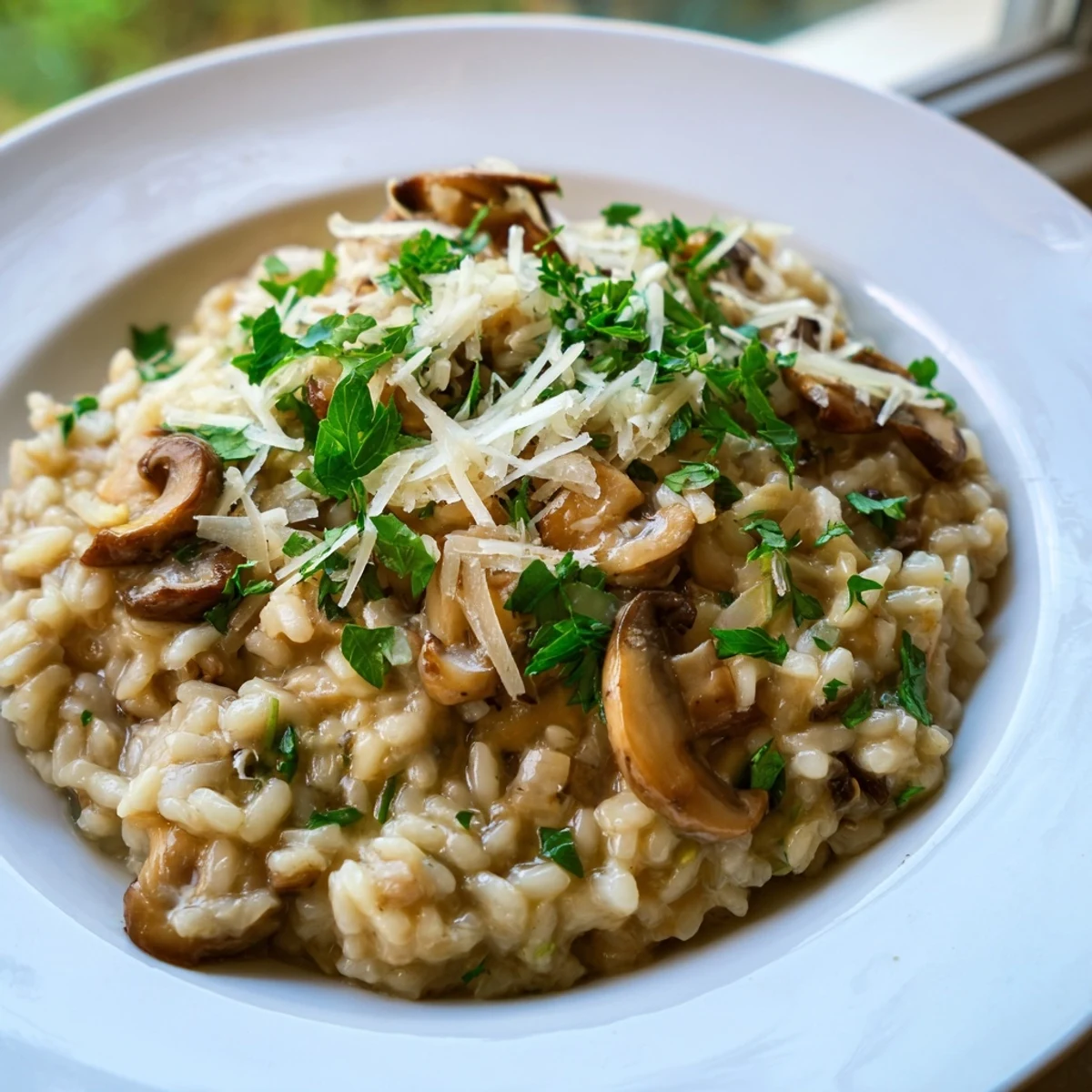
Save This luxurious mushroom risotto combines tender arborio rice with earthy sautéed mushrooms, white wine, and creamy parmesan for an intimate dinner experience. The dish requires careful stirring and gradual broth incorporation over 18-22 minutes to achieve the perfect creamy consistency. Fresh herbs and optional truffle oil elevate this classic Italian preparation into an elegant main course that showcases simple, quality ingredients.
The first time I made mushroom risotto was on a drizzly autumn evening when the windows fogged with steam and the kitchen filled with the nutty aroma of toasting rice. My partner had mentioned a little restaurant in Florence where theyd eaten the best risotto of their life, and I was determined to recreate that magic. Standing at the stove, wooden spoon in hand, I discovered that risotto isnt just dinner—its a ritual that forces you to slow down and be present.
Last winter, when my best friend was going through a rough patch, I invited her over without any particular agenda. We stood side by side at the counter, her chopping mushrooms while I diced onions, talking through her problems as the risotto slowly came together. By the time we sat down to eat, both the food and her spirits had transformed into something warm and comforting.
Ingredients
- Mixed fresh mushrooms: I use a combination of cremini, shiitake, and button mushrooms for layers of flavor—creminis bring earthiness, shiitakes add meatiness, and buttons provide a clean mushroom baseline.
- Arborio rice: The high starch content is non-negotiable for that signature creamy texture—I once substituted regular rice in a pinch and ended up with a disappointing pilaf instead of risotto.
- Warm vegetable broth: Using cold broth will shock the cooking rice and interrupt the starch release, so I keep mine simmering in a small pot nearby throughout the cooking process.
- White wine: Choose something youd happily drink—Ive learned that the acidity cuts through the richness and brings brightness to the finished dish.
- Parmesan cheese: Please grate it yourself right before adding—pre-grated cheese contains anti-caking agents that prevent it from melting properly into that silky finish were after.
Instructions
- Prepare your mise en place:
- Before you begin, have everything chopped, measured, and within arms reach. Risotto waits for no one once it starts cooking.
- Build your flavor foundation:
- When sautéing the onions and mushrooms, dont rush this step. The golden color that develops on the mushrooms is concentrated umami that will perfume the entire dish.
- Toast the rice:
- Listen for a subtle crackling sound as the rice grains toast in the oil. This brief step opens up the grain and allows it to slowly release its starch during cooking.
- Wine before broth:
- Let the wine absorb completely before adding your first ladle of broth. You should barely smell alcohol by the time youre ready to move on.
- Practice patience:
- Add broth one ladleful at a time, stirring gently until absorbed. This slow addition is what creates that magical creamy texture without requiring cups of heavy cream.
- Test for doneness:
- Perfect risotto should be al dente—tender but with a slight resistance at the center of each grain. Start tasting after about 16 minutes.
- Finish with fat:
- The final additions of butter and cheese should be stirred in off the heat. This prevents the fats from separating and gives you that glossy, velvety finish.
 Save
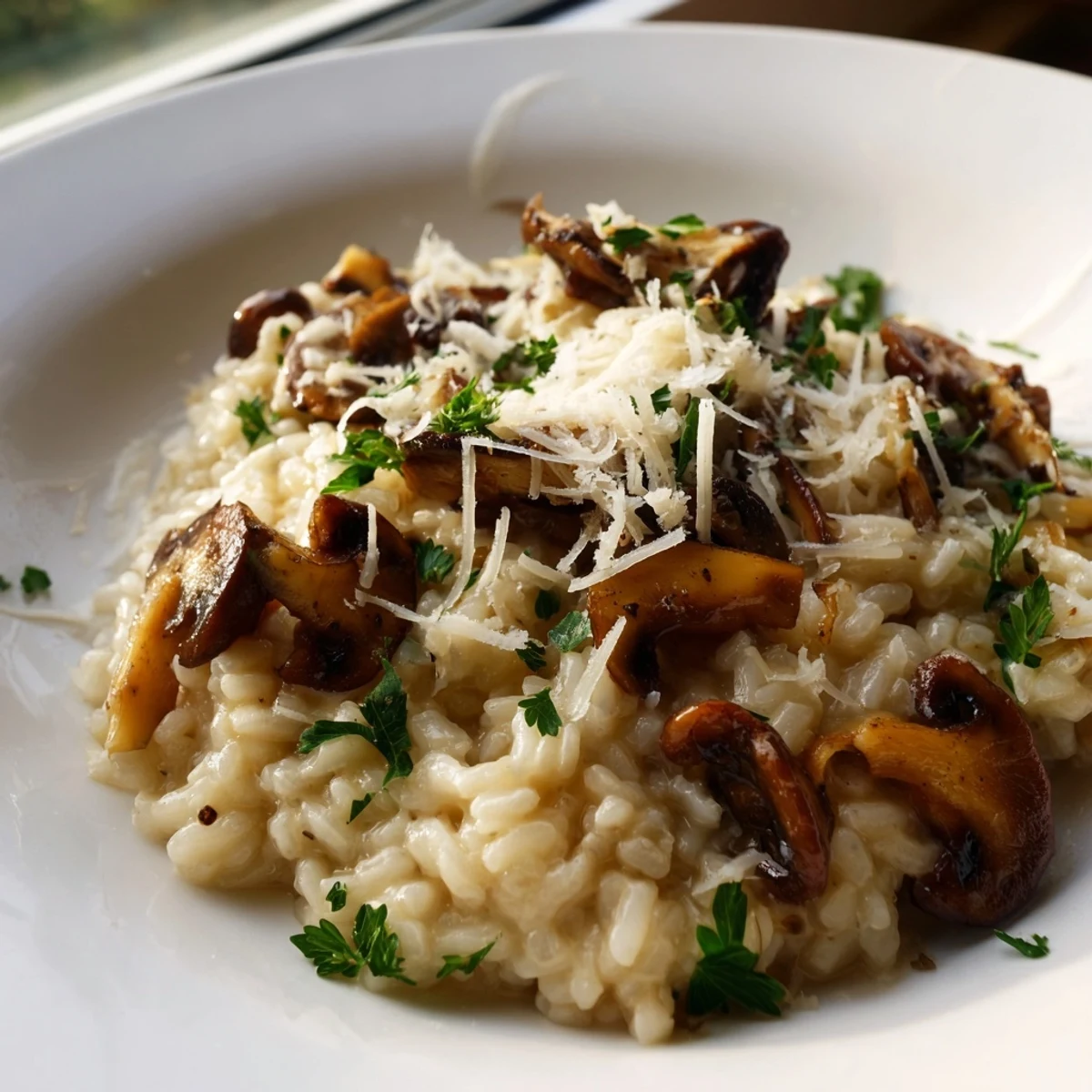
Save One Valentine Day, the power went out just as I was halfway through making this risotto. By candlelight, I kept stirring, unable to see if the rice was properly cooked, relying only on taste and texture. That forced mindfulness resulted in the best batch Id ever made, and we still talk about the unplanned romantic dinner that followed—sometimes the imperfect moments create the most perfect memories.
The Secret to Mushroom Selection
After countless batches, Ive learned that the wider your mushroom variety, the more complex your risotto becomes. I often wander through farmers markets hunting for oyster or king trumpet mushrooms to add to my standard mix. The trick is to slice each variety according to its character—thicker for meatier mushrooms, thinner for delicate ones—so they cook evenly while maintaining their distinct textures.
Making It a Complete Date Night Menu
While the risotto stands beautifully on its own, Ive found that balancing its richness with a simple arugula salad dressed with lemon and olive oil creates the perfect meal. For dessert, stick with something light like berries with whipped mascarpone or a single scoop of lemon sorbet—after enjoying such a luxurious main course, your palate will thank you for the refreshing finish.
Adapting For Dietary Needs
When cooking for my lactose-intolerant friend, I discovered that nutritional yeast can provide a surprisingly cheesy flavor, and a tablespoon of white miso paste adds that savory depth normally provided by parmesan. Vegan butter works beautifully as a substitute, and using a richer mushroom broth compensates for any lost dairy richness.
- For gluten sensitivity, double-check that your broth is certified gluten-free as many commercial varieties contain trace amounts.
- To make this dish vegan, substitute the butter with olive oil, use nutritional yeast instead of parmesan, and skip the cream entirely.
- For a heartier version, stir in some roasted chicken or sautéed shrimp just before serving—the risotto becomes a beautiful canvas for protein additions.
 Save
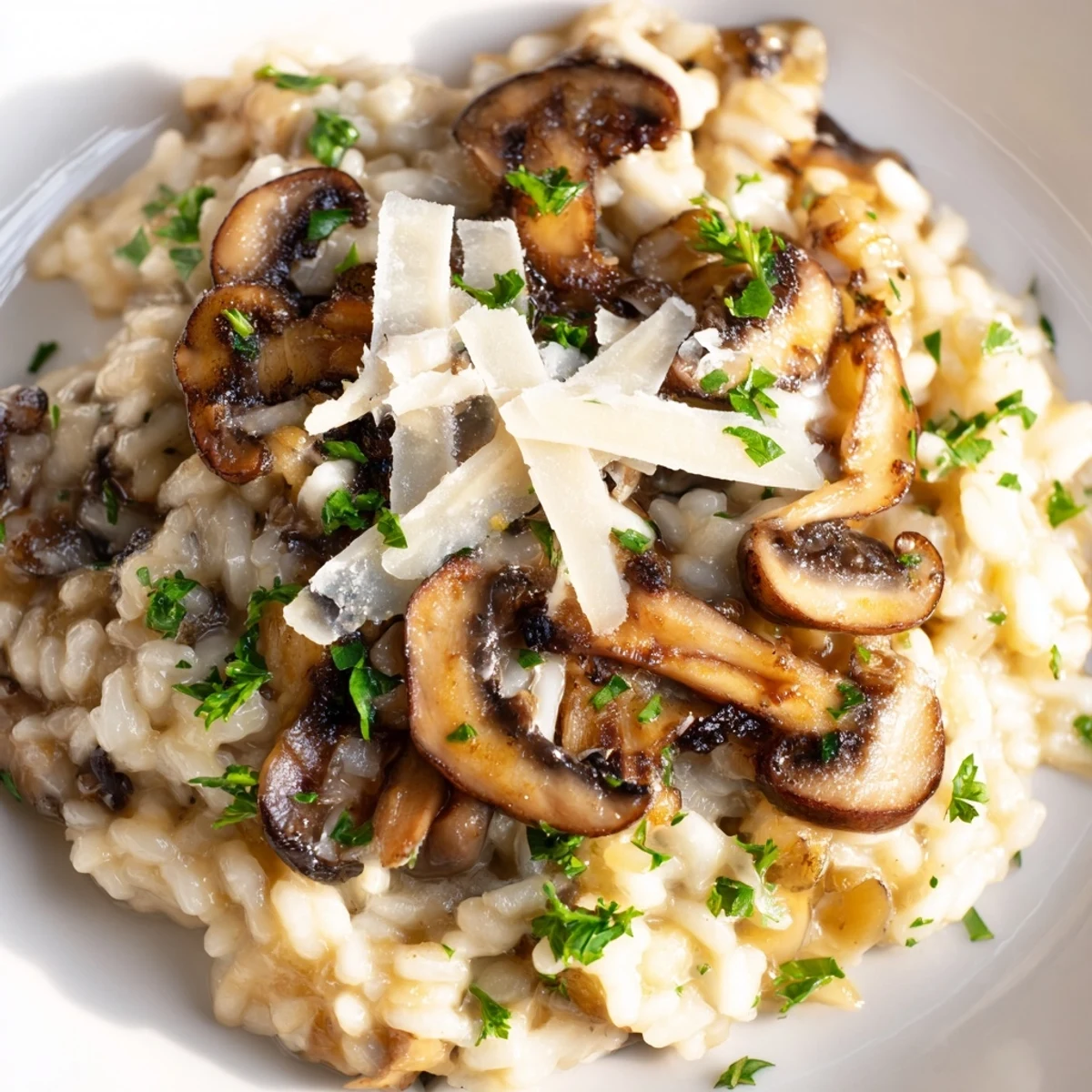
Save This risotto has taught me that cooking isnt just about feeding people—its about creating space where conversation flows as freely as the wine. Its a dish that demands presence but rewards you with something greater than the sum of its parts.
Your Recipe Questions Answered
- → What type of mushrooms work best for this dish?
-
A mixture of cremini, shiitake, and button mushrooms provides excellent depth and earthiness. For even more complexity, combine cultivated mushrooms with wild varieties like porcini or oyster mushrooms for a more sophisticated flavor profile.
- → Can I make this ahead of time?
-
Risotto is best served immediately after cooking to maintain its creamy texture. However, you can prepare components in advance—sauté mushrooms and dice vegetables ahead, and keep broth warm. The actual cooking should be done fresh just before serving.
- → Why is stirring so important in risotto?
-
Frequent stirring releases starch from the arborio rice, which creates the characteristic creamy consistency. This starch emulsifies with the broth and butter to form a naturally thick, luxurious sauce without cream.
- → What should the final texture look like?
-
Properly cooked risotto should be creamy and flow slightly on the plate when served—not stiff or dry. The rice should be al dente with a slight firmness in the center when bitten, surrounded by a flowing, sauce-like consistency.
- → Can I substitute the white wine?
-
White wine adds acidity and depth. If omitting alcohol, replace with additional vegetable broth or a splash of lemon juice to maintain flavor balance. Dry vermouth also works as a substitute.
- → What wine pairs best with this dish?
-
Crisp, light-bodied whites like Pinot Grigio or Chardonnay complement the earthy mushrooms and creamy risotto beautifully. The acidity cuts through the richness and enhances the umami flavors of the dish.