
 Save
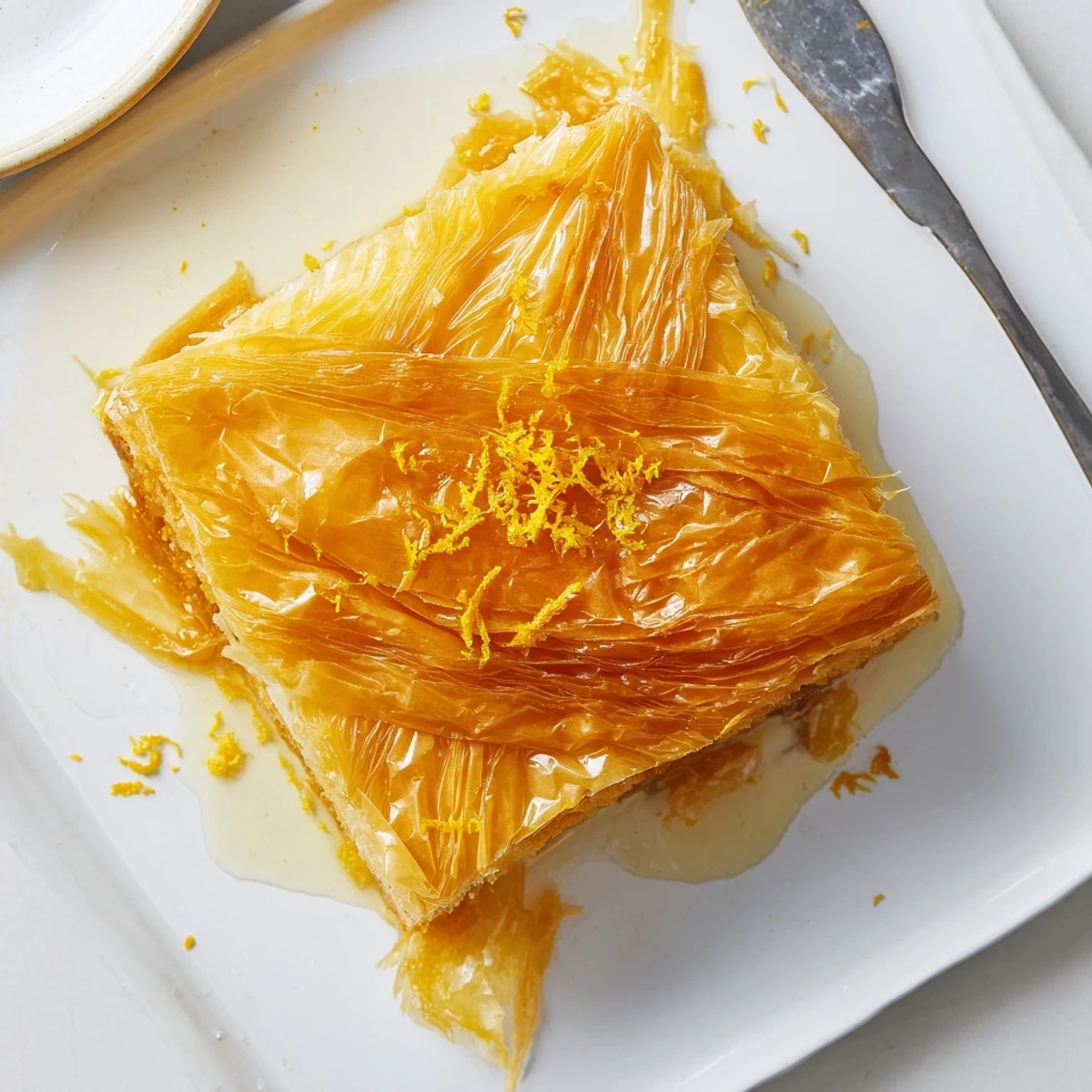
Save Portokalopita is a beloved Greek dessert that transforms simple phyllo sheets into a golden, syrup-soaked treat. The unique preparation involves drying phyllo sheets, crumpling them by hand, and folding them into a rich batter of eggs, Greek yogurt, and fresh orange zest. After baking until crisp and golden, the hot cake receives a slow pour of cooled orange-cinnamon syrup, allowing every crispy layer to absorb the fragrant sweetness. Perfect for gatherings or quiet evenings with coffee, this dessert showcases the beautiful balance of textures and bright citrus flavors that Greek cuisine is celebrated for.
My yiayia never wrote down recipes, so when I asked for her portokalopita, she just waved her hands and said feel when it's right. Years later, I found myself calling her at 2 AM from my tiny apartment kitchen, frantic because my phyllo was turning into a soggy mess instead of those crispy, golden shards she'd somehow mastered. She laughed那种 warm, knowing laugh and told me her secret: let the phyllo dry out until it's practically stale, then crumple it like old newspaper.
I made this for a dinner party once, panicked because I forgot to buy Greek yogurt and ended up using regular yogurt from the corner store. The texture wasn't quite right, but my friends still went back for thirds, standing around the kitchen island in their socks, licking orange syrup off their forks. That's when I realized portokalopita isn't about perfection, it's about that intense orange fragrance that fills your whole apartment and makes everyone feel like they've somehow wandered into a Greek grandmother's kitchen.
Ingredients
- 450 g (1 lb) phyllo sheets, thawed: Let these dry out uncovered for about an hour, this seemingly wrong step is what creates those gorgeous crispy layers instead of a dense, soggy cake.
- 4 large eggs: Room temperature eggs will incorporate more air into your batter, giving you a lighter final texture.
- 250 g (1 cup) Greek yogurt, full fat: Do not substitute with regular yogurt, the thick, tangy richness of authentic Greek yogurt is non negotiable here.
- 200 g (1 cup) granulated sugar: Split between the batter and syrup, this creates just the right sweetness without overwhelming that fresh orange brightness.
- 120 ml (½ cup) light olive oil: Olive oil adds subtle depth, but sunflower works if you want something more neutral tasting.
- 2 tsp vanilla extract: Use real vanilla, never imitation, that synthetic aftertaste will ruin all those beautiful orange notes.
- Zest of 2 large oranges: Zest before juicing, and avoid the bitter white pith, this is where all that fragrant orange oil lives.
- 2 tsp baking powder: Make sure it's fresh, expired baking powder is why some cakes turn out dense and sad.
- 250 ml (1 cup) water: For the syrup base, this creates the right consistency without being too thin.
- 200 g (1 cup) granulated sugar: This amount perfectly balances the tartness of the fresh orange juice in the syrup.
- 200 ml (¾ cup + 2 tbsp) fresh orange juice: Squeeze your own oranges, bottled juice never has that same bright, floral complexity.
- 1 cinnamon stick: Just one, you want a whisper of warmth that complements the orange without competing with it.
- Zest of 1 orange: This second dose of zest in the syrup gives you that double orange punch that makes this dessert sing.
Instructions
- Get your oven and dish ready:
- Preheat to 180°C (350°F) and grease your 23x33 cm baking dish with a little oil, those corners are where sticking happens most.
- Prepare the phyllo:
- Unroll the sheets and let them dry out for about an hour, then crumple each sheet into rough pieces, dont be gentle here.
- Whisk the eggs and sugar:
- Beat them until they're pale and thick, this might take a few minutes but it's worth every second of effort.
- Add the wet ingredients:
- Pour in the yogurt, oil, vanilla, orange zest, and baking powder, mixing until everything is smoothly combined.
- Combine with phyllo:
- Fold in those crumpled phyllo pieces gradually, making sure every shard gets coated in that lovely orange scented batter.
- Bake until golden:
- Spread into your prepared dish and bake for 40 to 45 minutes, until the top is golden and a skewer comes out clean.
- Make the syrup:
- While the pie bakes, simmer water, sugar, orange juice, cinnamon stick, and orange zest for 8 minutes, then cool completely.
- The soaking moment:
- Pour that cooled syrup slowly over the hot pie, letting it drink everything in for at least 2 hours before serving.
 Save
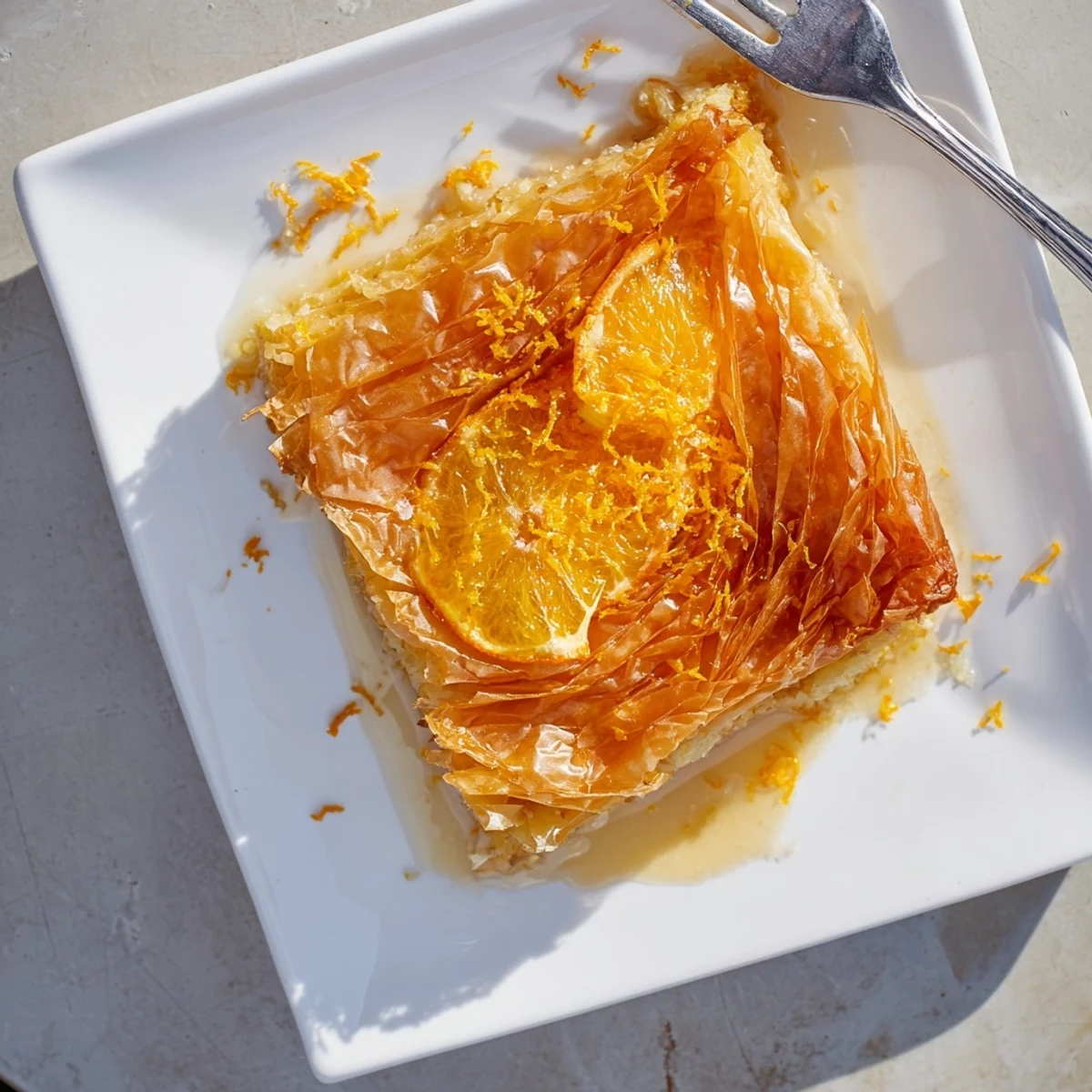
Save This recipe became my go to during a difficult winter when comfort mattered more than anything. Something about the ritual of zesting oranges, the way the whole house fills with that warm citrus fragrance, the patience of waiting for the syrup to soak in, it feels like a small act of love that somehow makes everything better.
The Secret to Perfect Syrup
I've learned that the syrup should coat the back of a spoon but still flow easily, too thick and it won't penetrate the layers, too thin and you'll end up with a soggy bottom. Test your syrup consistency by dipping a spoon and running your finger through it, that path should hold its shape briefly before merging back together.
Making It Ahead
Portokalopita is one of those rare desserts that genuinely improves overnight, giving all those orange and cinnamon notes time to deepen and mingle. I often bake it in the evening, pour the syrup over it before bed, and wake up to something that's somehow even more delicious than it was the night before.
Serving Suggestions
A dollop of unsweetened whipped cream or a scoop of vanilla ice cream cuts through the sweetness beautifully, letting those orange flavors shine even brighter. I've also served it with a strong Greek coffee after a long mezo style meal, watching friends become quieter as they take that first bite.
- Sprinkle a little extra orange zest on top just before serving for that restaurant finish.
- Let it come to room temperature for about 30 minutes if you've chilled it, the flavors are more vibrant.
- Store covered at room temperature for up to three days, though it rarely lasts that long.
 Save
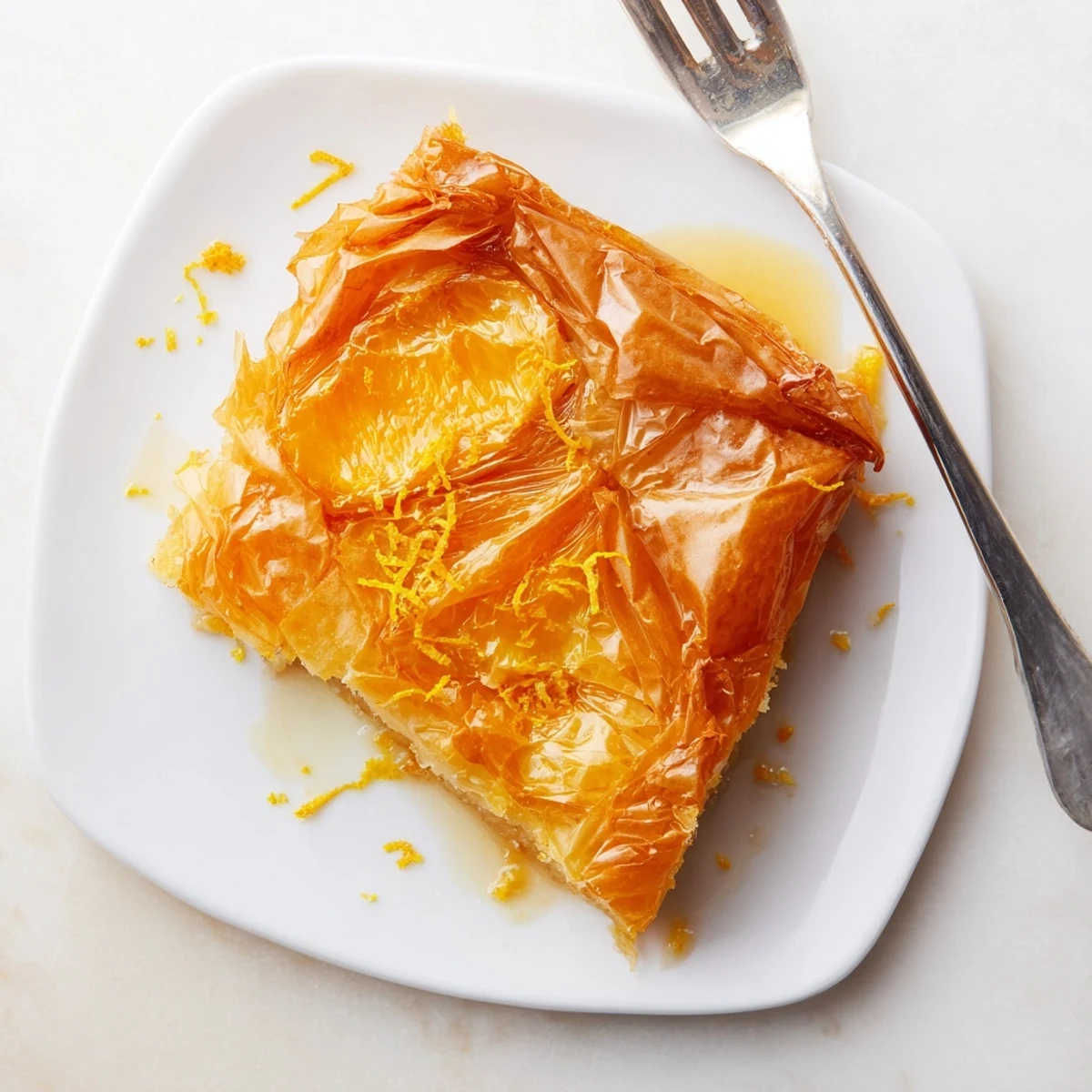
Save There's something profoundly satisfying about a dessert that transforms humble sheets of phyllo into something so extraordinary, a reminder that the best recipes often come from grandmothers who cooked by feel and fed everyone who walked through their door.
Your Recipe Questions Answered
- → What makes Portokalopita different from other Greek desserts?
-
Portokalopita stands apart through its unique use of crumpled phyllo sheets instead of layered pastry, creating an exceptionally crispy texture that absorbs the orange syrup beautifully while maintaining structural integrity.
- → How long should the phyllo sheets dry before using?
-
Let the phyllo sheets air-dry at room temperature for approximately one hour after removing from packaging. This drying step is crucial as it allows the sheets to crumple properly without becoming gummy during baking.
- → Why must the syrup be cooled before pouring?
-
Pouring cooled syrup over the hot cake ensures even absorption without making the phyllo soggy. The temperature contrast helps the syrup penetrate gradually while the crispy texture sets properly.
- → Can Portokalopita be made ahead of time?
-
Absolutely. This dessert actually improves after sitting for several hours or overnight in the refrigerator, allowing flavors to meld and the syrup to distribute evenly throughout every layer.
- → What's the best way to serve Portokalopita?
-
Serve chilled or at room temperature in small squares. The dessert pairs wonderfully with whipped cream, vanilla ice cream, or simply enjoyed alongside a strong Greek coffee.
- → Can I substitute the orange with other citrus fruits?
-
While traditional Portokalopita uses oranges, you can experiment with lemons or a combination of citrus fruits, adjusting the sugar slightly to balance the increased acidity.