
 Save
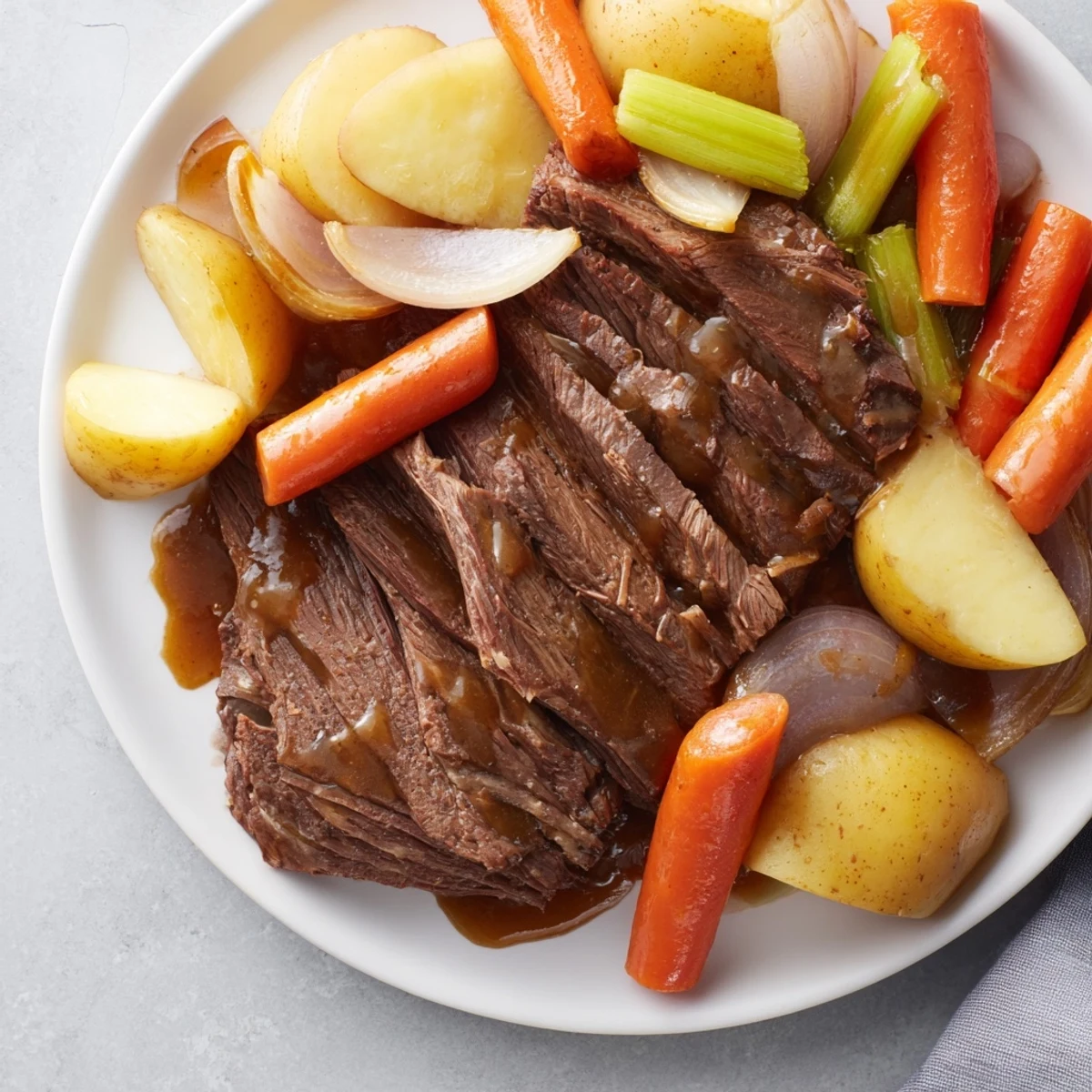
Save This comforting dish features juicy beef chuck slow-cooked for hours with carrots, parsnips, potatoes, onion, and celery in a savory broth enhanced by herbs like rosemary and thyme. The meat becomes fork-tender while the vegetables soak up deep, aromatic flavors. Optional steps include searing the beef for extra richness and thickening the sauce for a velvety finish. Perfect for a cozy meal with robust, hearty tastes and easy preparation.
The smell of rosemary and beef filling the house on a gray Sunday morning is something I look forward to all week. My grandmother never measured anything when making pot roast, she just knew by smell and touch when it was right. Now I understand why she let it simmer all day while we did puzzles at the kitchen table.
Last winter my sister came over during a snowstorm with nothing but an appetite and a bottle of red wine. We ended up eating this roast straight from the slow cooker with wooden spoons, watching movies while the storm howled outside. Sometimes the best meals happen when you abandon formal plates entirely.
Ingredients
- 3 lbs beef chuck roast: Chuck roast has perfect marbling that breaks down into meltingly tender beef after hours of slow cooking, and trimming excess fat keeps it rich without being greasy
- 1 tsp kosher salt and ½ tsp black pepper: This simple seasoning creates a beautiful crust when you sear the meat first, though I admit I have skipped this step when running late
- 4 large carrots and 3 parsnips: Root vegetables become naturally sweet and silky in the slow cooker, and cutting them into large chunks prevents them from disappearing completely
- 2 large Yukon Gold potatoes: Yukon Golds hold their shape better than russets and develop a creamy texture that soaks up all the savory cooking liquid
- 1 large yellow onion and 3 celery stalks: These aromatics form the flavor foundation of your broth, breaking down until they almost dissolve into the sauce
- 4 garlic cloves: Smashed garlic releases more flavor than minced, and slow cooking mellows it into something mellow and sweet rather than sharp
- 2 cups beef broth: Use the best quality broth you can find since it becomes the primary flavor of your dish, and check labels if you need gluten-free
- ½ cup dry red wine: The wine adds depth and complexity but more broth works perfectly fine if you prefer not to cook with alcohol
- 2 tbsp tomato paste: This small amount creates a rich, velvety body to the sauce that you cannot achieve with broth alone
- 2 tbsp Worcestershire sauce and 1 tbsp Dijon mustard: Together they provide that classic savory umami punch that makes restaurant sauces taste so good
- Fresh rosemary, thyme, and bay leaves: Fresh herbs make a noticeable difference here, their oils infusing the cooking liquid with woodsy aromatic flavor
- 2 tbsp cornstarch and 2 tbsp cold water: This optional thickener transforms the cooking liquid into proper gravy if you prefer a thicker sauce over the natural juices
Instructions
- Season the beef generously:
- Sprinkle salt and pepper all over the roast, pressing it gently into the meat so it sticks
- Create a flavorful crust:
- Sear the roast in a hot skillet for about 3 minutes on each side until deeply browned, then transfer it to your slow cooker
- Build your vegetable bed:
- Arrange carrots, parsnips, potatoes, onion, celery, and garlic around and underneath the beef so they cook in the flavorful liquid
- Whisk together the cooking liquid:
- Combine the beef broth, wine, tomato paste, Worcestershire sauce, and mustard in a bowl until smooth
- Pour and season:
- Pour the liquid mixture over everything in the slow cooker, then tuck in the rosemary, thyme sprigs, and bay leaves
- Let time work its magic:
- Cover and cook on LOW for 8 to 9 hours or HIGH for 4 to 5 hours until the beef shreds easily with a fork
- Rest and separate:
- Carefully remove the beef and vegetables to a serving platter, discarding the bay leaves and woody herb stems
- Thicken if desired:
- For a thicker sauce, skim excess fat from the liquid, then stir in cornstarch mixed with cold water and cook on HIGH for 10 to 15 minutes
- Finish and serve:
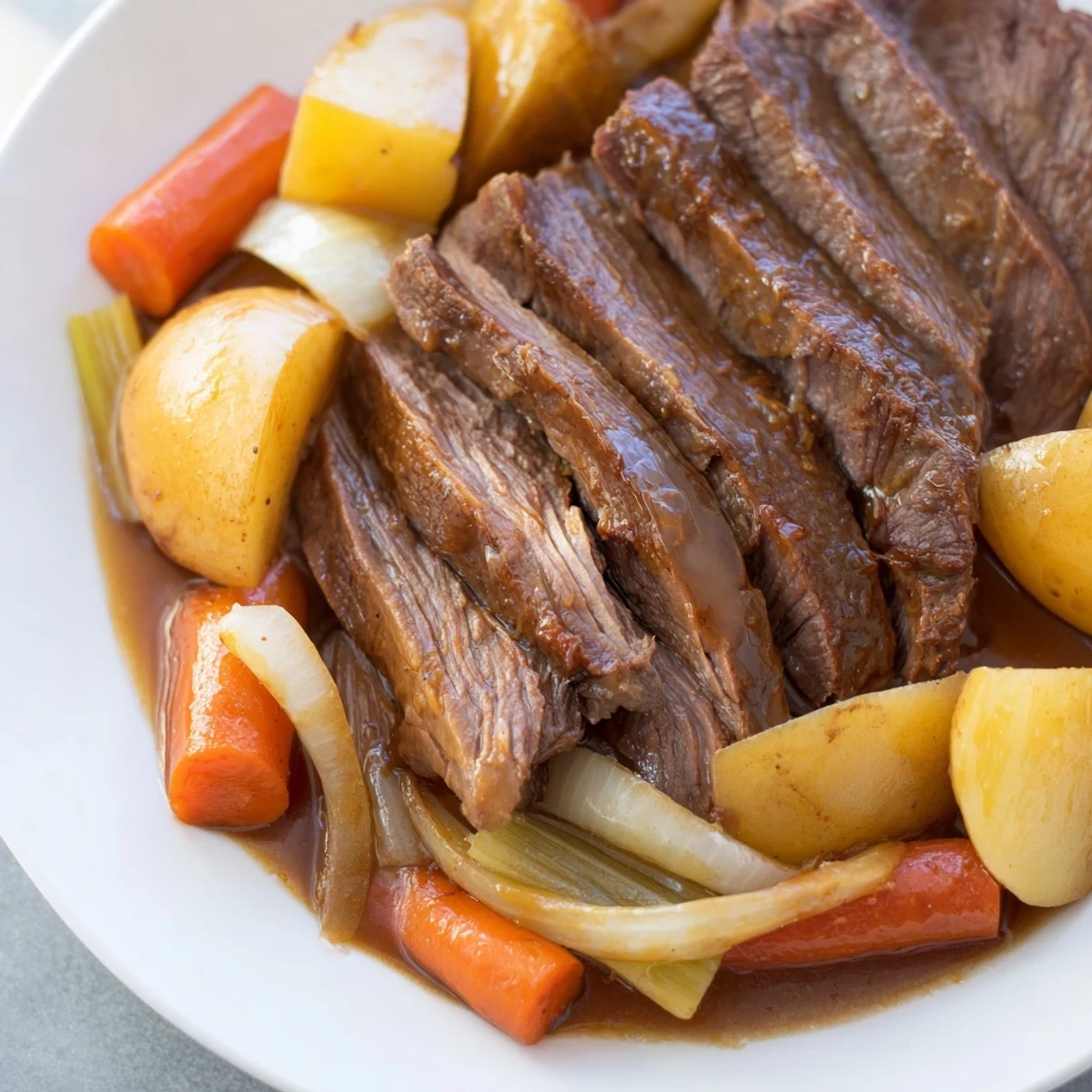
- Slice or shred the beef and arrange it with vegetables, spooning the luscious sauce over everything
 Save
Save This recipe became our go-to for family birthdays after my father requested it three years in a row. Now it feels incomplete without candles stuck in a slice of beef while everyone sings off-key.
Making It Your Own
Sweet potatoes or turnips work beautifully in place of parsnips if that is what your family prefers. The beauty of pot roast is how forgiving it is with substitutions based on what you have on hand.
Serving Suggestions
Crusty bread for sopping up the sauce is non-negotiable in my house. Some nights we skip the potatoes in the roast and serve it over mashed potatoes instead, which feels like the ultimate comfort food indulgence.
Leftovers And Storage
The flavors continue to develop overnight, making this one of those rare dishes that tastes even better as leftovers. Store everything together in the sauce so the beef stays incredibly moist.
- Freeze portions in freezer bags for busy weeknight meals
- Reheat gently with a splash of added broth
- The sauce makes an incredible base for vegetable beef soup
 Save
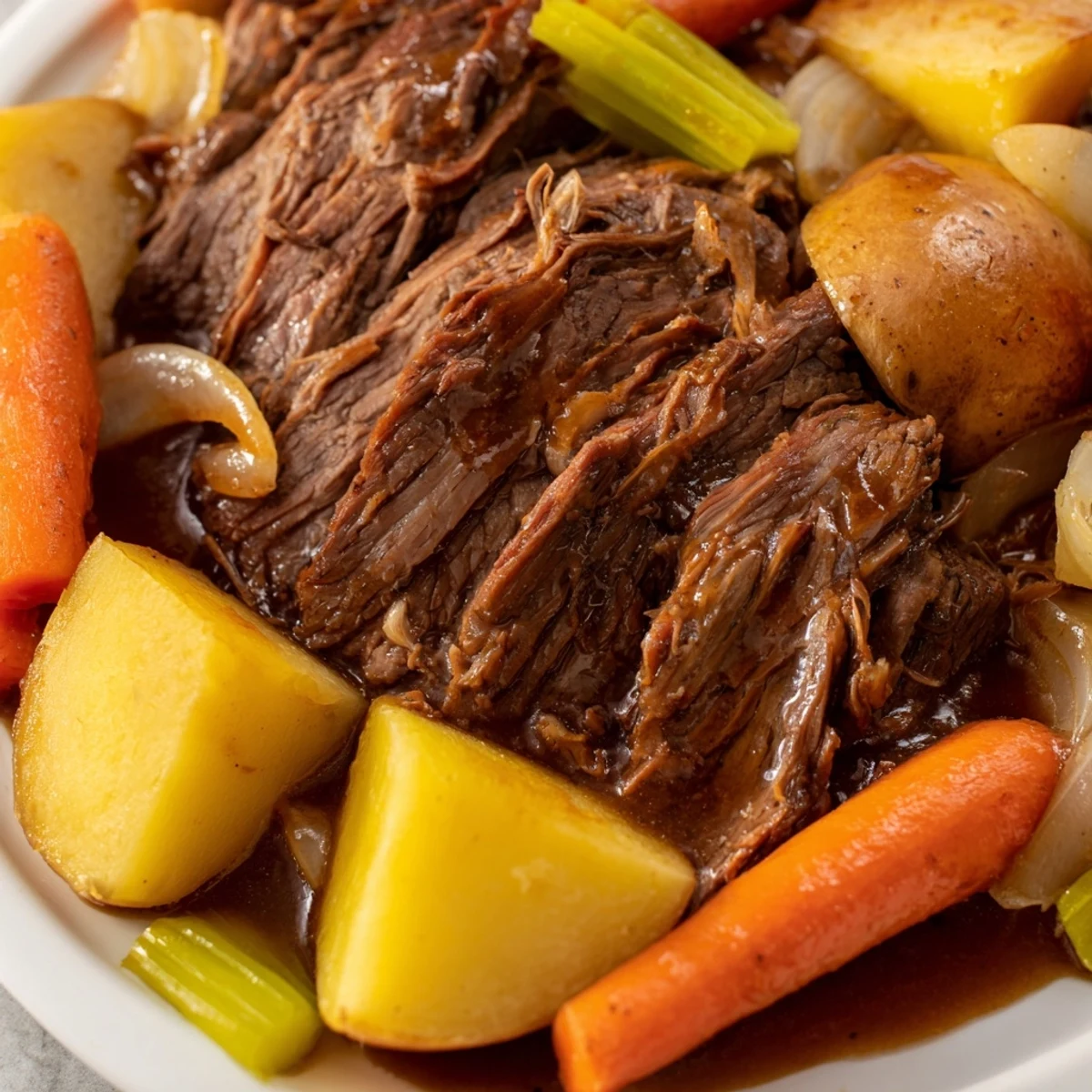
Save There is something deeply satisfying about a meal that requires so little effort yet brings so much comfort to the table. This pot roast has become more than dinner to us, it is a reminder that good food and good company are the perfect combination.
Your Recipe Questions Answered
- → What cut of beef is best for slow cooking?
-
Beef chuck roast works well because it becomes tender and flavorful after long, slow cooking.
- → Can I substitute the root vegetables?
-
Yes, sweet potatoes or turnips can replace parsnips to add a unique flavor dimension.
- → Is searing the beef necessary?
-
Searing adds deeper flavor and color but can be skipped for convenience.
- → How can I thicken the cooking liquid?
-
Mix cornstarch with cold water and stir into the hot cooking liquid, cooking a few minutes until thickened.
- → What herbs enhance the flavor?
-
Fresh rosemary, thyme, and bay leaves provide aromatic depth to the broth and vegetables.