
 Save
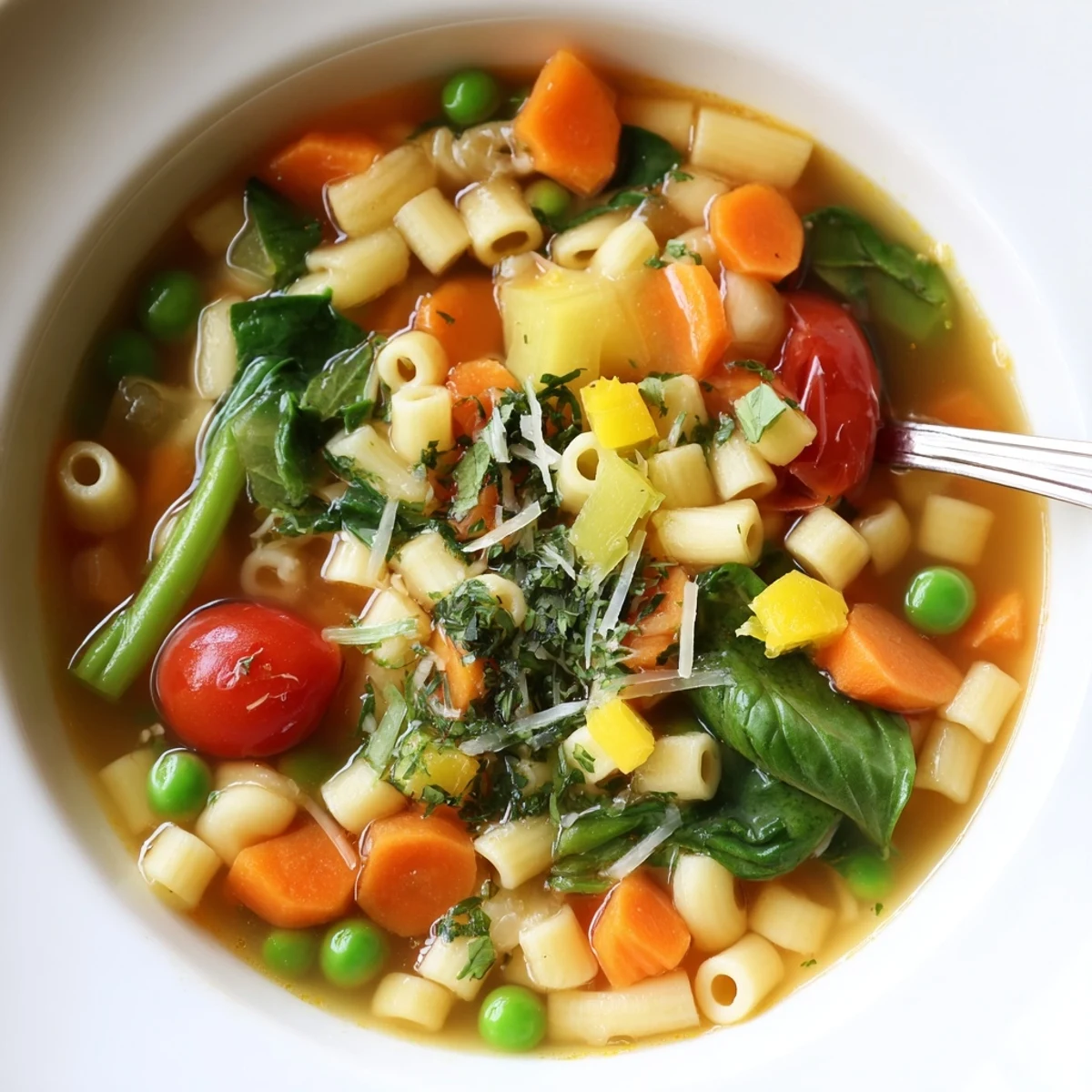
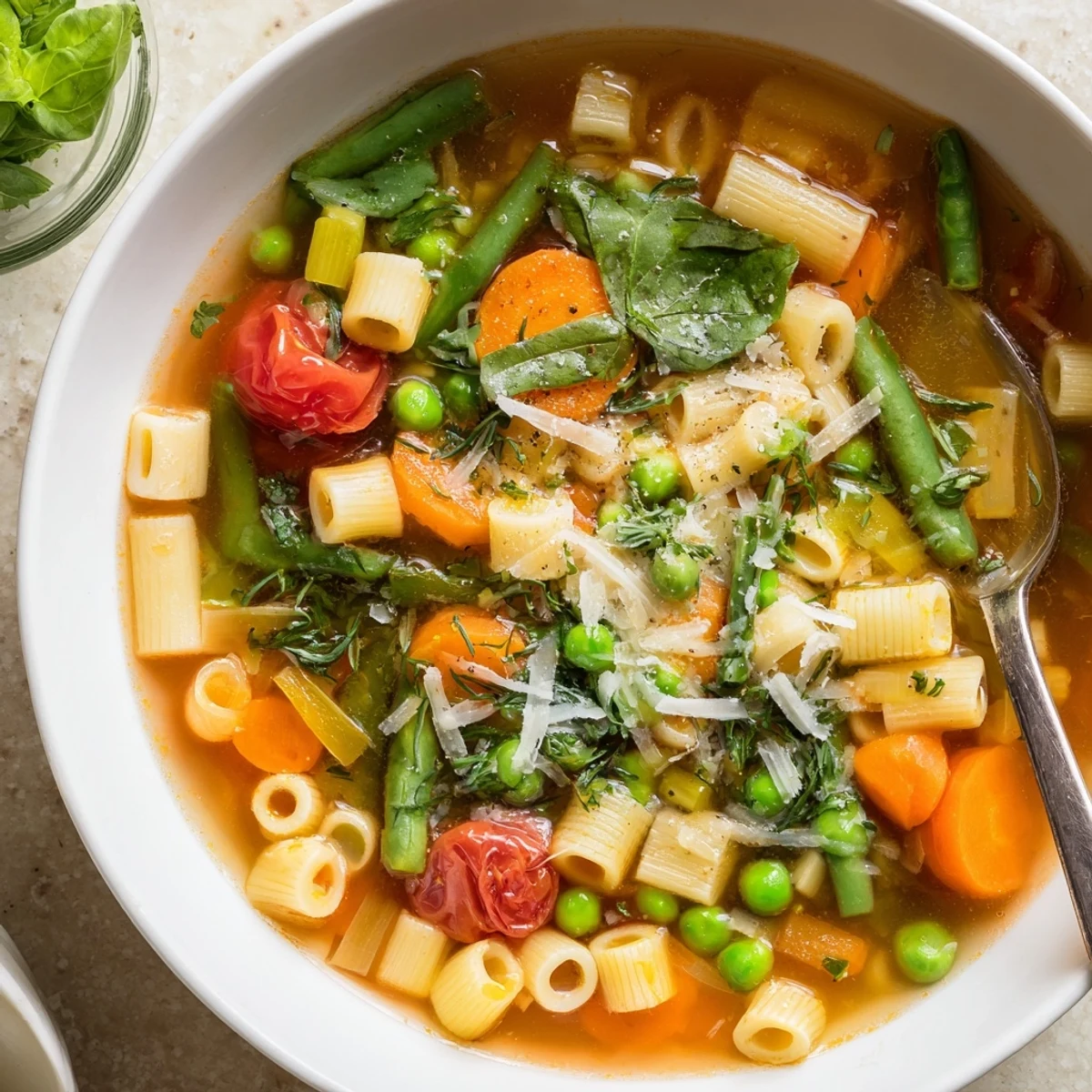
Save This spring minestrone showcases tender ditalini, peas, green beans, zucchini and spinach in a light vegetable broth. Sauté aromatics, add hearty vegetables, simmer with small pasta until al dente, then finish with fresh basil, parsley and a drizzle of olive oil. Serve hot with grated Parmesan or a vegan alternative; crusty bread pairs well.
The kitchen window was flung open, and a soft breeze mingled with the scent of sautéing onions and garlic the first time I tried making spring minestrone. It wasn’t a planned triumph—just a chaotic crisper drawer full of bright vegetables and that familiar urge to create something nourishing and lively. As I stirred the rainbow in my pot, the anticipation of the season’s freshest flavors really hit me. There’s a cheerfulness to this soup that manages to brighten up even the rainiest spring afternoon.
I still remember the day I made this soup for a friend who was moving away—slicing green beans while listening to her chatter about the road ahead, and pausing to taste together, both of us grinning at that burst of basil and dill. The entire pot disappeared between laughter and stories, with the last drizzle of olive oil sealing the memory. That bowl made the goodbyes softer. It’s funny how a gentle soup sometimes says what words can’t.
Ingredients
- Olive oil: A fruity, robust base that brings out the flavor of every vegetable; I find using a good quality oil adds depth without much fuss.
- Yellow onion: Finely chopped so it melts in and tames the sharpness—let it turn just golden before moving on.
- Garlic: Two cloves, minced, is just enough to perfume the soup without overpowering it; listen for that sizzle as your cue to add the next ingredient.
- Carrots & Celery: These diced vegetables add sweetness and aromatic backbone—I always try to cut them evenly for the coziest texture.
- Zucchini: It softens quickly, soaking up the flavors of the broth and herbs; I love seeing those little cubes peek through the soup.
- Peas: Fresh or frozen both work, but nothing beats that pop of green when you add them last minute.
- Green beans: They should keep a bit of snap—trim them well and cut to bite size for easy eating.
- Baby spinach: Wilted at the end, it adds a gentle earthiness; a couple big handfuls go further than you think.
- Cherry tomatoes: Halved to release bursts of sweet juice as they simmer—don’t skip these, trust me.
- Vegetable broth: A light but flavorful base; I prefer low-sodium so I can adjust the seasoning just right.
- Small pasta (ditalini or orzo): The key to heartiness without heaviness—stir it in once the soup’s simmering actively.
- Salt, black pepper, red pepper flakes: Start light and taste often; those last two bring just the right gentle kick.
- Fresh basil, parsley, dill: Tossed in right at the end, these herbs make the whole pot smell like a spring garden. Try doubling the basil if you love it as much as I do.
- Freshly grated Parmesan: The finishing touch—cheesy, salty, and hard to resist. Omit or swap for vegan cheese if you need to.
- Extra virgin olive oil: Just a glug for garnish, never cooked—pure spring luxury.
Instructions
- Sauté the aromatics:
- Pour the olive oil into a large pot, and as it starts to shimmer, add your onions and garlic. Stir until everything softens and you catch that unmistakable sweet aroma, about three minutes.
- Add base vegetables:
- Drop in your carrots and celery—let them sizzle and gently soften, turning slightly glossy after five minutes.
- Layer in zucchini and tomatoes:
- Tumble in zucchini, green beans, and cherry tomatoes. Keep things moving so nothing sticks, and cook until the kitchen smells almost sweet and the zucchini is brighter, about two to three minutes.
- Pour in broth:
- Slowly add the vegetable broth, listening for the simmering dance as the pot comes alive. Bring the mixture to a gentle boil; the steam carries the first hint that dinner is near.
- Add pasta and peas:
- Stir in your pasta and scatter in the peas so they cook gently together, simmering for eight to ten minutes until pasta is just al dente and vegetables are perfectly tender.
- Finish with greens and herbs:
- Fold in baby spinach and fresh herbs until the spinach wilts and the herbs release their fragrance. Sprinkle in salt, black pepper, and red pepper flakes to taste, adjusting as needed.
- Garnish and serve:
- Ladle the soup into warm bowls and top with freshly grated Parmesan. Finish with a drizzle of extra virgin olive oil and a scatter of leftover herbs—serve right away with a piece of crusty bread.
 Save
Save The first time my nephew tried this soup, he dunked his bread, wrinkled his nose at the dill, then slurped with a grin. I caught him sneaking extra Parmesan into his bowl—proof that sometimes, vegetables win hearts after all. That kitchen table felt a little happier than usual, and the story of his new favorite soup is now family legend.
Making the Most of Your Veggies
Spring minestrone is forgiving—you can swap in asparagus, fava beans, or whatever peas and greens are abundant. I’ve tried tossing in the leftover odds and ends from the market and ended up with delicious, unpredictable results. Cutting everything to a similar size helps the soup feel harmonious, like each bite is a planned celebration of the season.
Picking the Right Pasta
The pasta is the cozy secret in this soup—ditalini and orzo nestle among the veggies, soaking up all that veggie-rich broth without taking over. Gluten-free pasta works, just keep an eye on cooking time so things don’t fall apart. Sometimes, I’ll cook the pasta separately and add it to bowls, especially if I know there’ll be leftovers for lunch the next day.
Finishing Touches That Matter
Don’t underestimate the final shower of Parmesan and a generous drizzle of really good olive oil right before serving—it brings all the flavors together, making the soup feel special. If you’re skipping dairy, a vegan cheese or nutritional yeast keeps it comforting. Also, a lemon wedge on the side can brighten the broth even more if you’re in a citrusy mood.
- Keep a bunch of fresh herbs handy for last-minute garnishes.
- Slice the bread thick for dunking—soup always loves good bread.
- Taste before serving; everyone’s salt is a little different.
 Save
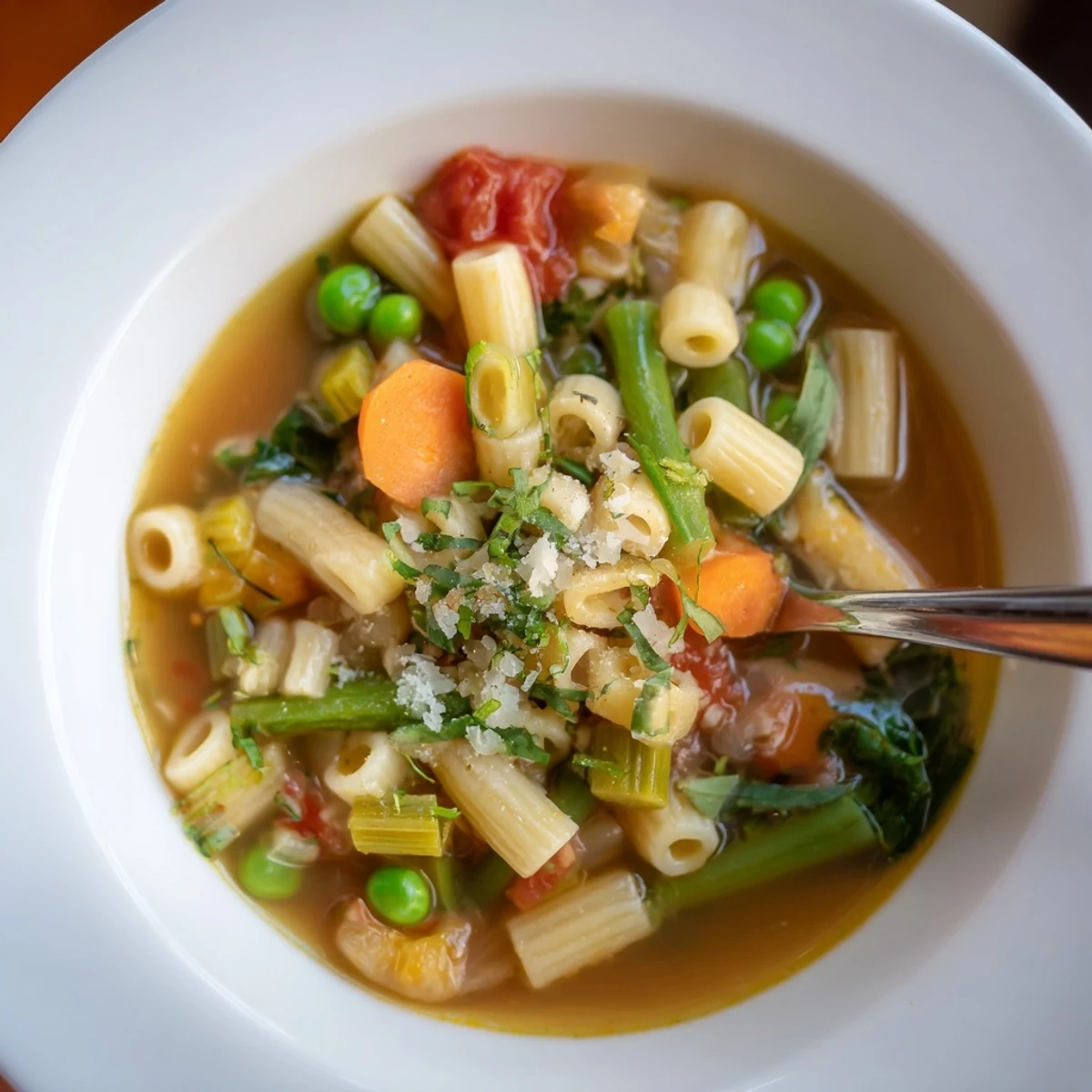
Save I hope your bowl captures all the green energy and comfort of spring just as mine does. May every spoonful bring a little sunshine to your table, no matter the weather outside.
Your Recipe Questions Answered
- → Which pasta works best?
-
Small pastas like ditalini or orzo hold broth and vegetables well without overpowering the bowl. Choose a short shape so it cooks evenly with the vegetables.
- → How do I keep vegetables vibrant?
-
Add quick-cooking greens and peas near the end of simmering and cook just until wilted to preserve color and texture. Shock in cold water only if you need to halt cooking for a cold service.
- → Can I make this dairy-free or vegan?
-
Yes. Omit the Parmesan or swap for a plant-based alternative. A finishing drizzle of good olive oil and extra herbs add richness without dairy.
- → What about adding more protein?
-
Stir in canned cannellini beans or drained cooked legumes when you add the pasta. They warm through in the simmer and add creaminess and extra protein.
- → How should I store leftovers?
-
Cool to room temperature, refrigerate in a sealed container for up to 3–4 days. Reheat gently on the stove; add a splash of broth or water if the pasta has absorbed too much liquid.
- → Can I swap vegetables based on season?
-
Absolutely. Swap in asparagus, fava beans or spring greens as available. Aim for a balance of quick-cooking and heartier pieces so everything finishes at the same time.